
An immigrant woman who worked as a cleaner was fired for “theft and gross misconduct” from her job at a warehouse in Erith, to the south-east of London. Her union has initiated legal proceedings arguing for discrimination.
 Pablo Muñoz
Tobeida Cruz is a 60-year-old Ecuadorian immigrant in the UK who until 3 February, was a worker at the Amazon Belvedere warehouse, when she was accused of gross misconduct and theft that resulted in a summary dismissal by the outsourcing company that employed her, TC Facilities Management. (TCFM).
She was a veteran worker with over seven years of “spotless service”, as her union, United Voices of the World (UVW), that represents low-paid, migrant, and precarious workers, described it. She was assigned to dispose of items in the ‘discard area’, where she was to discard two juice cartons that were damaged. One was disposed of; the other was damaged but not torn. She placed the latter in the staff canteen fridge for shared use, as she understood this to be normal practice for similar items.
UVW says that a ‘key-witness’, a co-worker at the Amazon warehouse, reported her to a supervisor, which led to Cruz explaining the incident the following day and showing the juice carton in the fridge.
The worker was responsible for removing damaged items from the area, but her presence near the goods was described as “unusual” by the co-worker who reported her, which resulted in the case being classified by her employer as theft.
 The Prisma reached out to the union to arrange an interview with Tobeida, but she “does not wish to speak to the press at the moment”, as UVW said. A union spokesperson spoke to The Prisma instead.
Tobeida Cruz said that she wanted her “name cleared, because they have completely tarnished it”. How devastating is a summary dismissal and the label of ‘theft’ for the livelihood and mental health of a 60-year-old worker trying to survive in London?
From the union’s perspective, summary dismissal, especially when linked to allegations like theft, can have very serious consequences for any worker. It can mean an immediate loss of income, difficulty finding new employment, and significant stress and uncertainty. For migrant and low-paid workers in particular, the impact can be even more severe given the high cost of living and limited safety nets.
That’s why it’s so important that employers act fairly and proportionately. Workers should not face life-changing consequences without clear evidence and a fair procedure.”
Back in 2023, UVW organised a strike at the warehouse where unionised workers were striking against cuts to their hours and for a pay rise. Tobeida was the last worker who participated in the strike and still worked at the site.
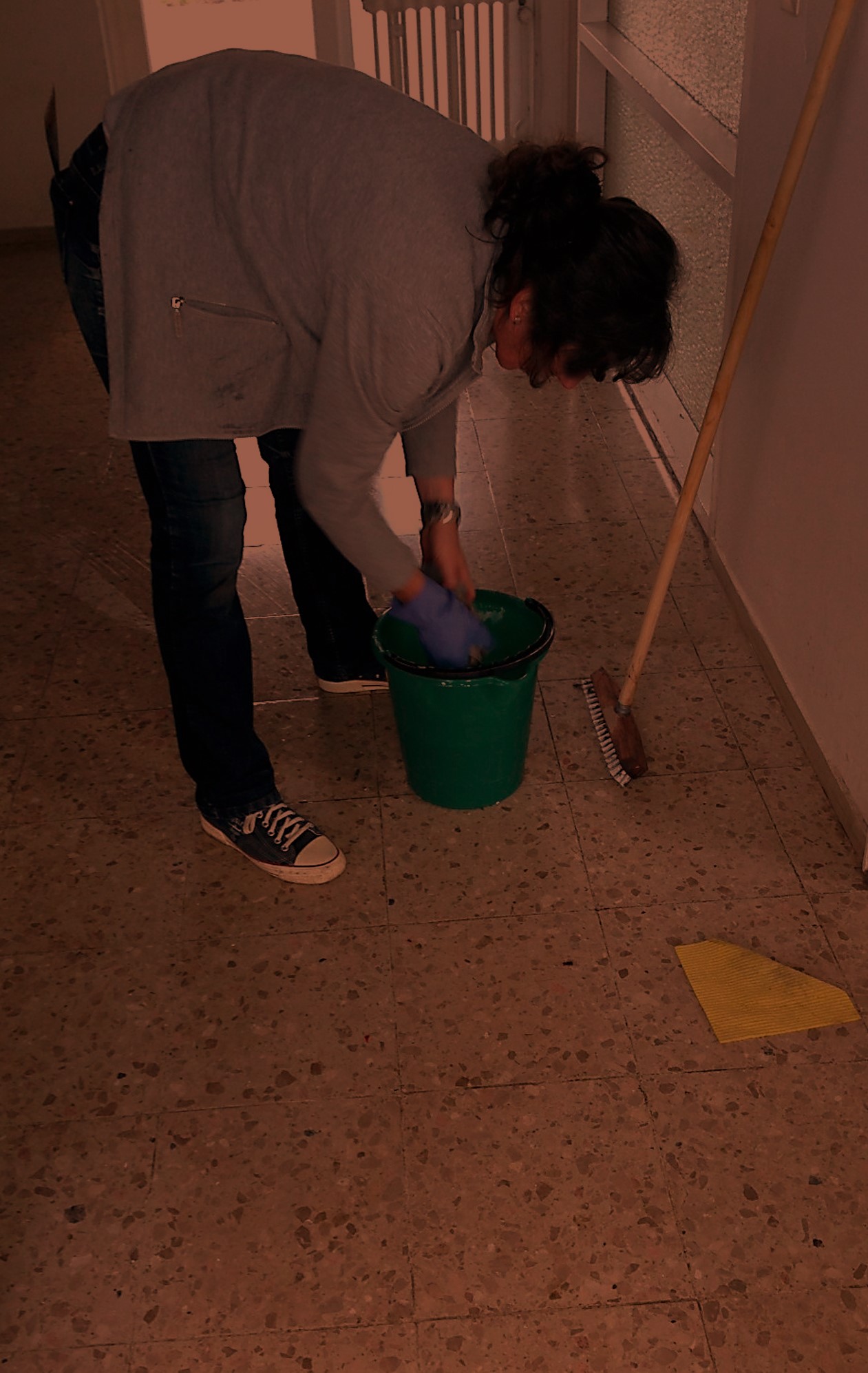 Her dismissal prompted UVW to initiate legal proceedings against Amazon and the cleaning contractor TCFM, arguing her dismissal amounts to age and race discrimination, in breach of Section 41 of the Equality Act 2010, which establishes that an employer must not discriminate, harass, or victimise a contract worker.
The campaign invokes the Equality Act to challenge Amazon’s role, even though TCFM is the direct employer. Why is it so vital for unions to push back against the outsourcing model and demand that principal clients take responsibility for the culture at their sites?
The outsourcing model often acts as a smokescreen that allows companies to drive down pay and conditions by subcontracting services in pursuit of profit. This frequently comes at the expense of historically more vulnerable workers, including migrant and racialised groups who may face barriers around language, knowledge of their rights, and access to support.
While the policy of outsourcing may not be directly racist, its effects in creating a two-tier force along lines of race or migratory status certainly are. This is why we invoke indirect discrimination based on race in breach of the Equality Act 2010.
The opacity of structurally racist outsourcing also blurs lines of responsibility, making it harder for workers to challenge poor treatment, as clients and contractors can shift accountability between them. It is therefore vital for trade unions to challenge this model and hold principal clients to account.
The UVW has pioneered the fight against outsourcing. In 2017, it won the first strike to end outsourcing in higher education, at the London School of Economics. The union also saw the first strike to end outsourcing in the NHS in 2019.
OK, but isn’t the issue a question of facts as well – did she steal a discarded juice carton by putting it in the fridge?
 In UVW’s wider experience across London, how commonly are rigid corporate policies used to disproportionately penalize migrant workers for minor misunderstandings? Isn’t this a leading question?
In our experience this is very common and we have had several such cases over the years, and they continue to happen on a daily basis.
In your press release, Tobeida Cruz said: “I didn’t steal anything. I thought I was doing my job, and we haven’t been trained on these things.” What minimum standards of communication and training should facilities companies be providing to ensure workers who don’t speak English fluently aren’t set up to fail?
At a minimum, employers must ensure workers understand what’s expected of them, regardless of their level of English. That means providing training and instructions in a language workers understand, not relying on English-only materials or informal translation by colleagues. Guidance should be clear, practical, and reinforced on the job.
Workers should be able to ask questions and get clarification without fear, and employers should check that training has actually been understood. Where procedures are critical there should be clear signage, visual aids, and consistent communication. If a worker is disciplined, the employer must be able to show the training was clear and accessible.
 How important is public campaigning and community solidarity in a case like this?
Public campaigning and community solidarity make a real difference by putting pressure on employers and making sure these cases are not ignored. When workers speak out and communities stand with them, it shifts the balance of power. It shows employers that people are watching and that workers are not alone.
How can the public best support outsourced workers fighting these kinds of battles?
The public can support them by amplifying workers’ stories, joining protests, and backing their campaigns. Even small actions (sharing posts, showing up, speaking out) help build the pressure needed to win.
UVW General Secretary, Petros Elia, said that “sacking a 60-year-old cleaner over a damaged carton of juice is not just disproportionate; it exposes how outsourced, low-paid migrant cleaners are too often treated as invisible and disposable”. Similarly, Tobeida Cruz remarked that “they don’t seem to see us as equals. Maybe because we don’t speak English fluently, you’d think we are invisible to them.” What is the UVW’s message to other outsourced workers who might be feeling ‘invisible’ right now?
You are not invisible and you are not alone. When workers come together and organise, they can win dignity, respect and better conditions. Join us!
(Photos: Pixabay)










.jpg)












