
While controversy continues to surround the Belfast trio, their influence now extends far beyond the headlines and political disputes. Through Irish-language rap, class-conscious activism and international solidarity, they have built an international following without losing sight of the communities that shaped them.
 Seán Ó’Cuinn
The Streisand Effect is a phenomenon of the unintended consequences of censorship, originating in singer Barbara Streisand’s struggles to avoid having her house photographed for a mundane yet publicly-available conservation project, only for public interest to pique considerably.
The more you talk about something, the more interest is piqued.
In reality, adverse public reactions aren’t anything new to music as punk rock benefited from negative publicity when it was kicking off in the 1970s.
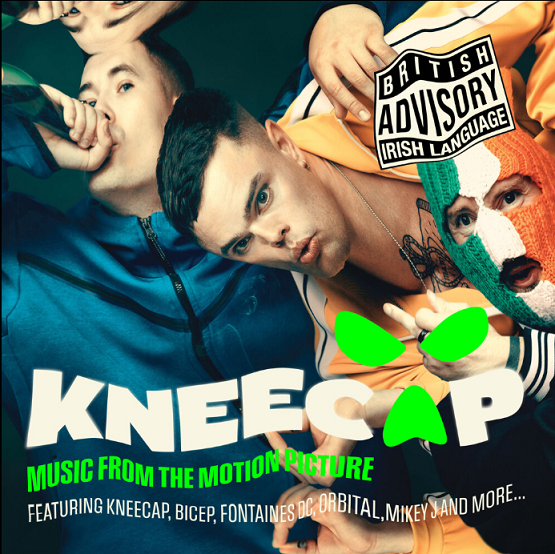
And Kneecap, the Irish hip-hop trio of Liam Óg Ó’hAnnaidh (Mo Chara), Naoise Ó Cairealláin (Moglaí Bap) and J. J. Ó’Dochartaigh (DJ Provaí), are leading the way in promoting international solidarity, one which is embedded deep within their Irish nationalism, as they help revitalise the Irish language.
Rebels
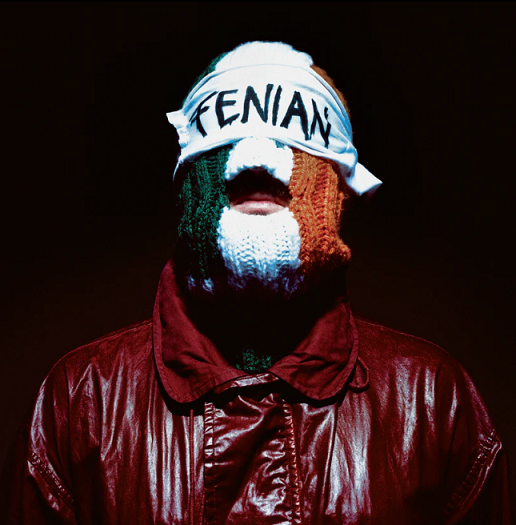
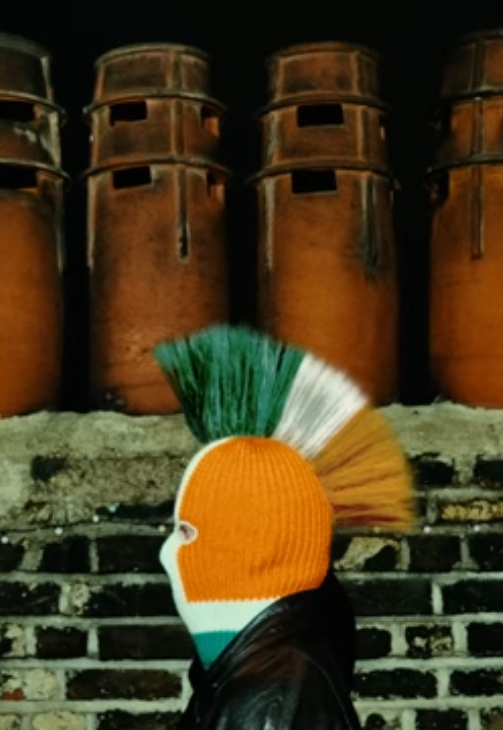
The Irish commonly think of ‘rebel music’ as a sub-genre of Irish folk music. It’s got acoustic guitars, fiddles, flutes, you know, the typical instruments of the country with big beardy singers roaring about the injustices of British occupation. So whenever an Irish-language teacher from Derry sporting a green-white-and-orange balaclava and a pair of young fellows from west Belfast comes along rapping about similar themes, Irish rebels are intrigued, especially while the trio rock the British and international establishments to the core with their simple criticisms of global injustices.
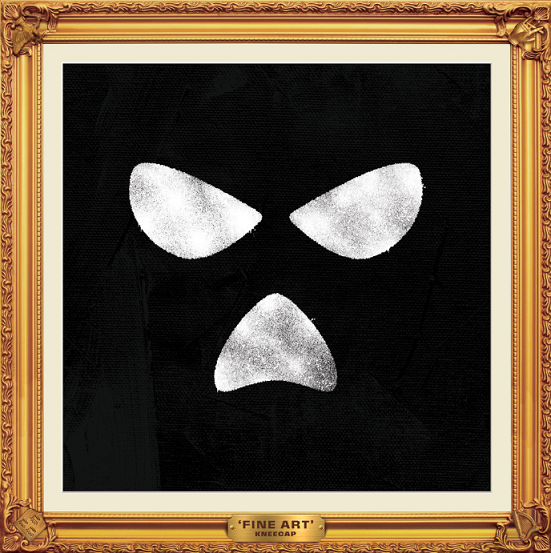 You need to understand where this self-defined bunch of yahoos come from and their experience of life growing up in the six counties.
‘Northern Ireland’ doesn’t exist in the mind of the Irish nationalist.
To us, it is ‘the six counties in the north-east’ of our unnaturally divided nation, and occupied by a foreign jurisdiction. We’ll not get into the ins and outs of centuries of invasion and colonialism and leave it with, let’s just say, a feeling that we should be reunited with the rest of the nation, independent and dealing with our own issues.
Kneecap’s musical journey started in 2017 with Naoise narrowly avoiding arrest for spraying the word cearta, meaning ‘rights’ on a bus stop. The friend wasn’t so lucky, and refused to speak in English in the police station, inspiring the song C.E.A.R.T.A. The word is a reference to the Irish Language Act, only finally brought into law in 2022, much to the chagrin of Unionist politicians, despite being part of the 1998 Good Friday peace deal.
Kneecap’s storytelling developed into polemics on everyday life for working-class youth, with commentaries on drug use and ‘hooding’. A hood is a slang term for street delinquents and criminals, with many of these ending up at the receiving end of paramilitary street justice.
 Paramilitary punishment attacks often took the form of kneecapping, meaning suspected criminals would get gunshots to the back of the knees.
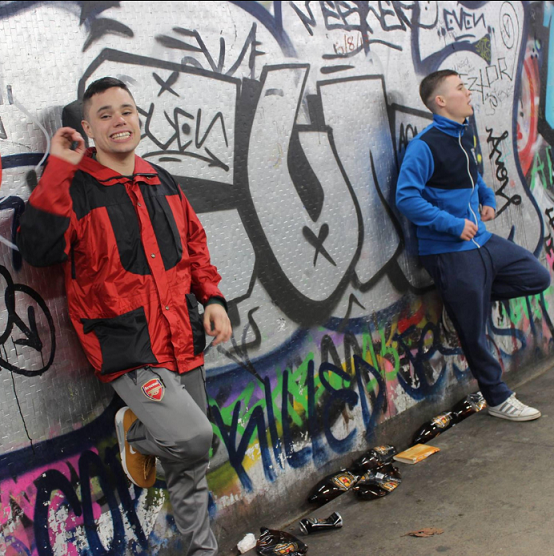
The band’s hood posturing is purely theatrical and they are an educated and articulate bunch of working-class lads, politicised and active in societal improvement within their communities. Their families are also of the Irish Republican tradition, a tradition often in favour of meting out punishment to hoods during the war at the end of the 20th Century in Ireland’s north.
Finding internationalism within nationalism
The lads are on record as saying that their nationalism is intertwined with empathy toward other international struggles. Any good-faith analysis of Irish history, or the attitudes of our historical nationalist leaders, aligns with an internationalist stance as we have a history of being colonised and forced emigration.
There is also a tradition of international solidarity, especially with South Africa, led by the great Nelson Mandela, and their anti-Apartheid struggle. Ireland was in fact the first Western country to adopt the boycott of the Apartheid regime back in 1987, spearheaded by a strike by Dunnes Stores workers. Mainstream nationalism and Irish Republicanism stays true to this principle of international solidarity, with the three lads now at the forefront.
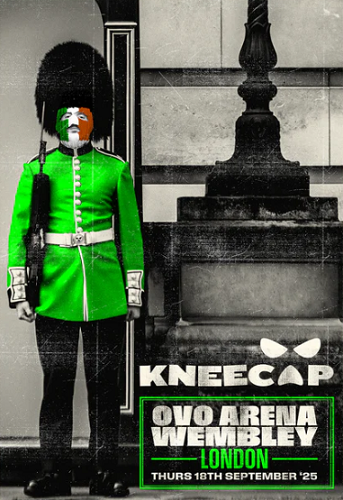
As a result of their stances, Kneecap have been subject to a heavy censorship campaign given their very loud activism on Palestine.
 Dropped from their recording label, US visas revoked, charges later dropped and based on absurd accusations, censored by the BBC at Glastonbury 2025 (only to be live streamed by a concert-goer anyway and for fellow performers Bob Vylan to ambush the broadcasters in their now-memorable performance), their advertisements subsequently banned from the London Underground, you name it, they are in the eye of the storm.
Do they care? Maybe, but they’ll not show it as they continue their staring match with the powers that be.
Cúpla focal
Naoise’s father, Gearóid Ó Cairealláin, was a force of nature. His life’s work was to bring Irish, or Gaeilge, back as a living and breathing language, operating from his neighbourhood of west Belfast. He was heavily involved in setting up language infrastructure as Gaeilge, including a daily newspaper, radio station and theatre groups as well as a cultural centre on the Falls Road in Belfast, Cultúrlann McAdam Ó Fiaich. He also wrote columns for English-language publications and was highly active in his community.
The lads stay at the forefront of the language movement, and their bilingual rapping in Irish and English has brought the sounds of the language to a new generation, stretching beyond Ireland’s borders and going international.
Class solidarity and activism
The band stresses class unity and while they are no fans of Loyalist ideology in Ireland’s north, they are involved in outreach and donation to the Protestant community, commenting that if the Protestant community benefits, then Catholics do too.
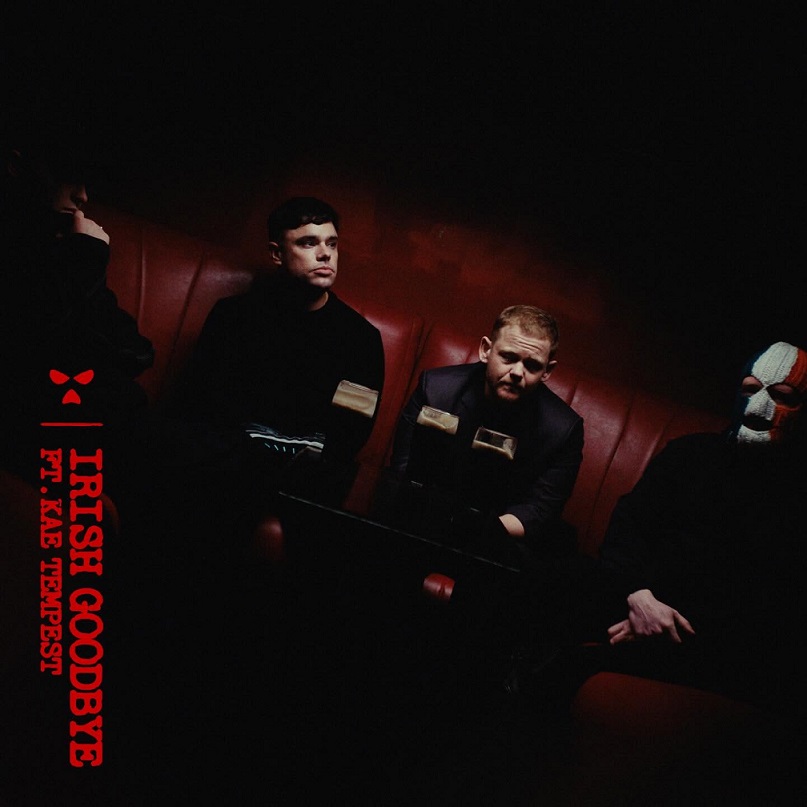 They stress anti-sectarianism, and comment on things like the British NHS being incorporated into a coming united Ireland, so they believe in mixing the best of both worlds.
Stormont Castle sits on the Upper Newtonards Road in east Belfast. Once a bastion of gerrymandered Unionist rule, there is now a powersharing executive of nationalists, Unionists and centrist parties like Alliance, who are de facto unionist but open to a united Ireland if the majority desire it.
One striking thing is the commonality between working-class Catholics and Protestants and how different they are to many of these politicians up in Stormont. Down at the other end, on the lower Newtonards Road, the Protestant working class live their daily lives in much the same way as the Catholics in their neighbourhoods, and the irony isn’t lost on the band. Many of the politicians competing for media sound bites who like to accuse Kneecap of divisiveness are also the types who would baulk at the idea of actually interacting with the working-class.
Kneecap have also been involved in suicide awareness, Naoise having lost his mother in 2020. Their song MAM is a tribute to mothers generally, though they dedicated it to the memory of Moglaí Bap’s mother after her tragic passing, donating all proceeds to the Samaritans.
 Playing with words and phrases
This is the magic of a band whose music might not be for everybody. A punk lover from back home once explained to me that punk was about the message while rock and metal were about the melody, so punk was ultimately more of a worldchanger. And the same goes for this hip-hop trio. Their vocals and word play put me in mind of a quote by Slayer’s frontman, Tom Araya and the thrash metaller’s rather surprising comments on rapper Eminem: “He can put together words and sounds and syllables and make it [work]. He’s really good at that.”
The same goes for these lads, only they also incorporate a nuanced socio-political message into clever bilingual lyricising. And as long as they keep stirring the pot, people will keep talking about them, and maybe even get inspired enough to learn cúpla focal as Gaelige.
Éirigh amach agus beir bua!
(Images from Kneecap -website and YouTube-, authorised for free publication in The Prisma.)










.jpg)












