
His lifelong interest in the coffee business has led him to London and will hopefully take him back to his native Colombia one day to bring legitimate businesses, peace and prosperity through the magical brew most of us drink first thing in the morning.
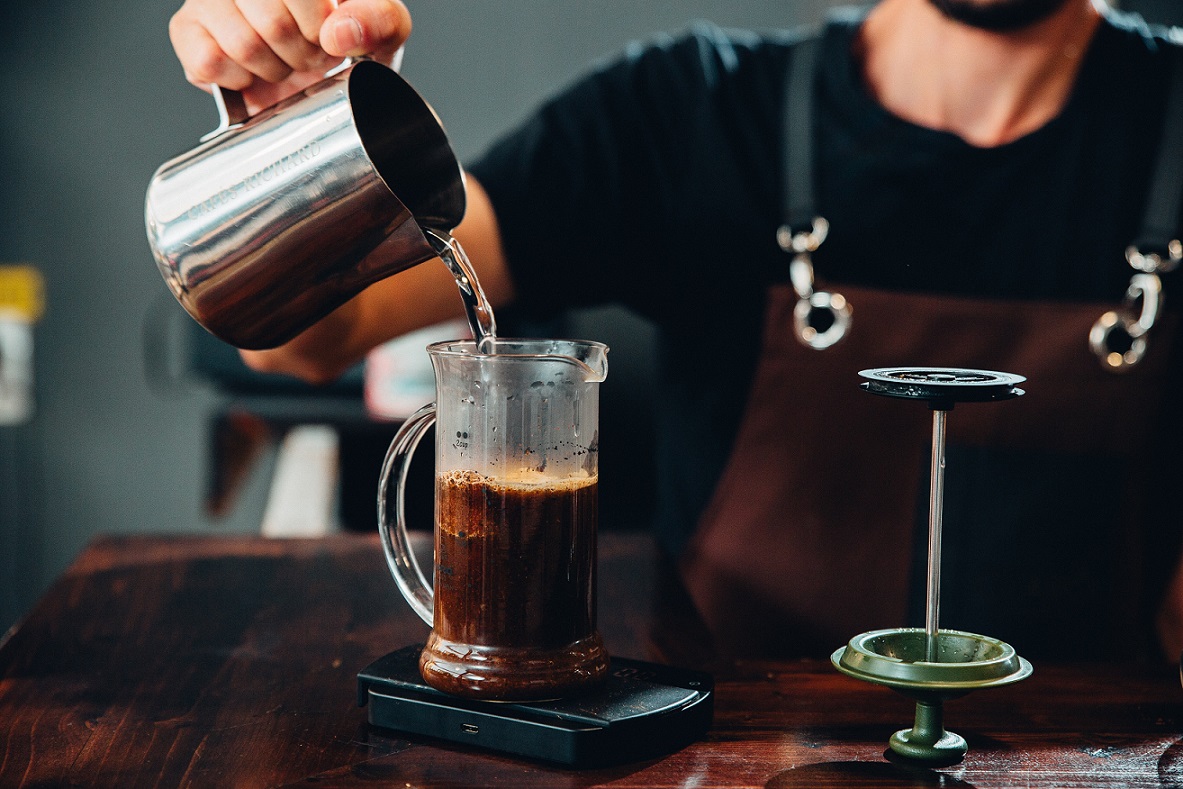 Pablo Muñoz
Carlos Perez* is a young coffee professional who preferred to omit his real name but wanted to tell his story. He was born at the start of the millennium in southwest Colombia, in a Kofán community neighbouring Ecuador. Raised within the transborder region of Sucumbíos, he grew up where the humid Amazon rainforest meets cool katabatic winds flowing down from the Andes.
His father belongs to the Kofán, a millenary Amazonian Indigenous nation, while his mother descends from the Quimbayas, a pre-Columbian civilization famed for mastering gold artwork. This enduring lineage guides him towards a life lived with reverence for nature, deep love for community, and a capacity for inward reflection, carrying his ancestors in his brown skin, dark curls, and hazel, pensive eyes.
After turning 12, Carlos moved 200 miles north to Quindío, a province offering better schools, healthcare, infrastructure and security away from guerrilleros and drug traffickers. It was there that he discovered his passion: coffee. He ran across farms with friends, coffee trees all around — leafy evergreen shrubs heavy with cherry-like fruits that were collected, washed, and dried by farmers in the traditional way.
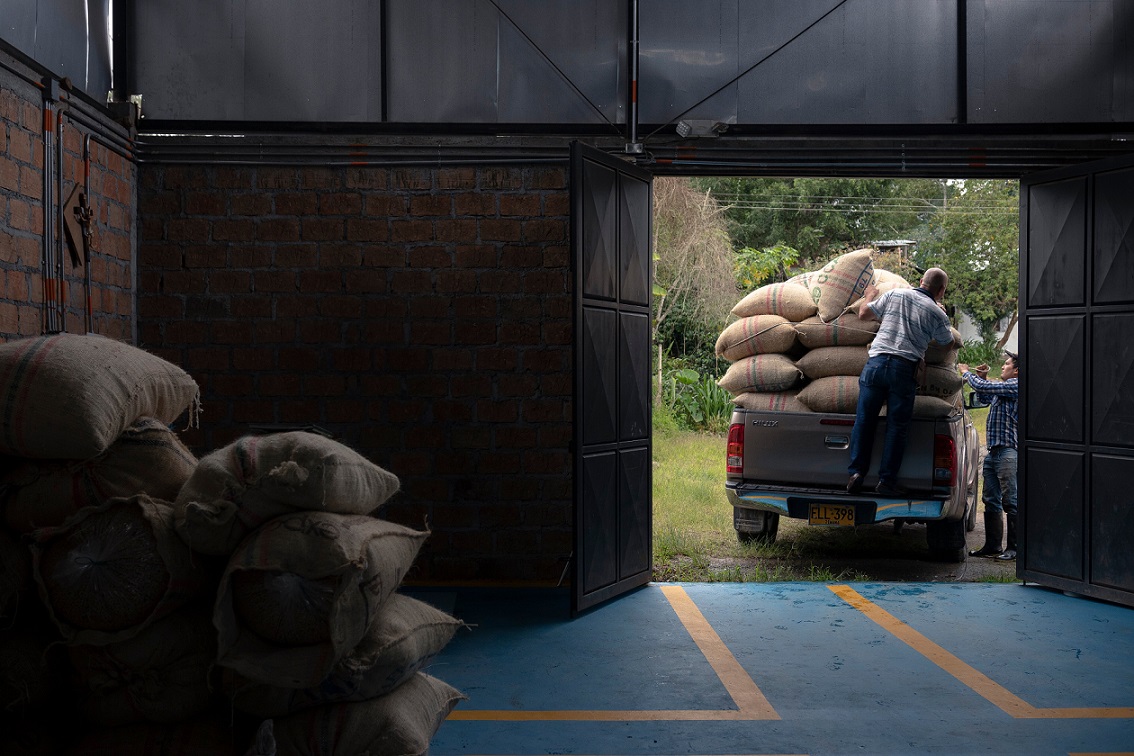 Carlos welcomes technological advances that are improving Colombian coffee quality, but he still marvels at those farmers’ acquired knowledge, as they crushed the ripe fruit to let the seeds ferment in their own mucilage—the sugary, slimy layer covering the seeds—before washing and drying them. Just by looking at the drying seeds, they knew when they were fully parched. “That amazed me,” he recalls.
By the time he finished higher education, the coffee industry had ensorcelled him. After harvesting coffee in Putumayo, he sought a career in the field, but military conscription stepped in the way of his plans for nearly two years. Once discharged, he received formal training on coffee roasting through the Servicio Nacional de Aprendizaje (SENA) in Pereira.
He worked as a barista at a luxury establishment and was placed in the top ten at the National Barista Championship. This network led to an offer to become a specialty coffee roaster in London and earn his Q Grader certificate. Now on a sponsored work visa, he earns a living, helps his family, and saves for his future goals.
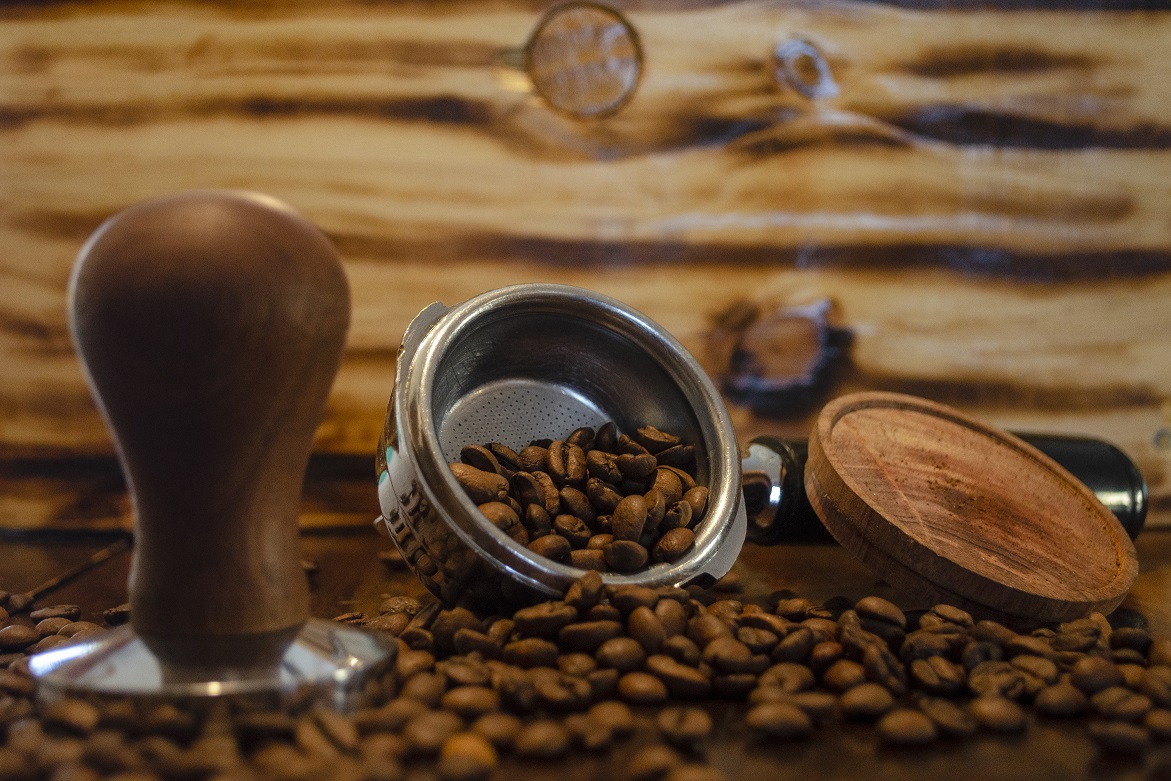 Every workday begins with an espresso.
Carlos is responsible for testing, grading, and appraising specialty coffee, evaluating both physical qualities and flavour profiles like sweetness, acidity, bitterness, fragrance, and aroma.
He looks for flawless beans; moulded or damaged ones are rejected for specialty use.
“That’s used for supermarket coffee,” he explains, noting how companies roast it until burnt to hide defects. He smiles, adding he would only drink that coffee if his mother made it for him. He tells me that a good coffee begins in the harvest. Carlos remains deeply connected to the Amazon, the “lungs of the Earth.” He laments the historical neglect of Indigenous peoples and the loss of the Quimbaya Treasure to Spain—though history notes it was a diplomatic gift to Queen Regent María Cristina in 1892.
Reflecting on Colombia’s internal troubles, he notes how war and lack of state presence have made peripheral regions hubs for violence, adding that this is one of the reasons he fled his native village.
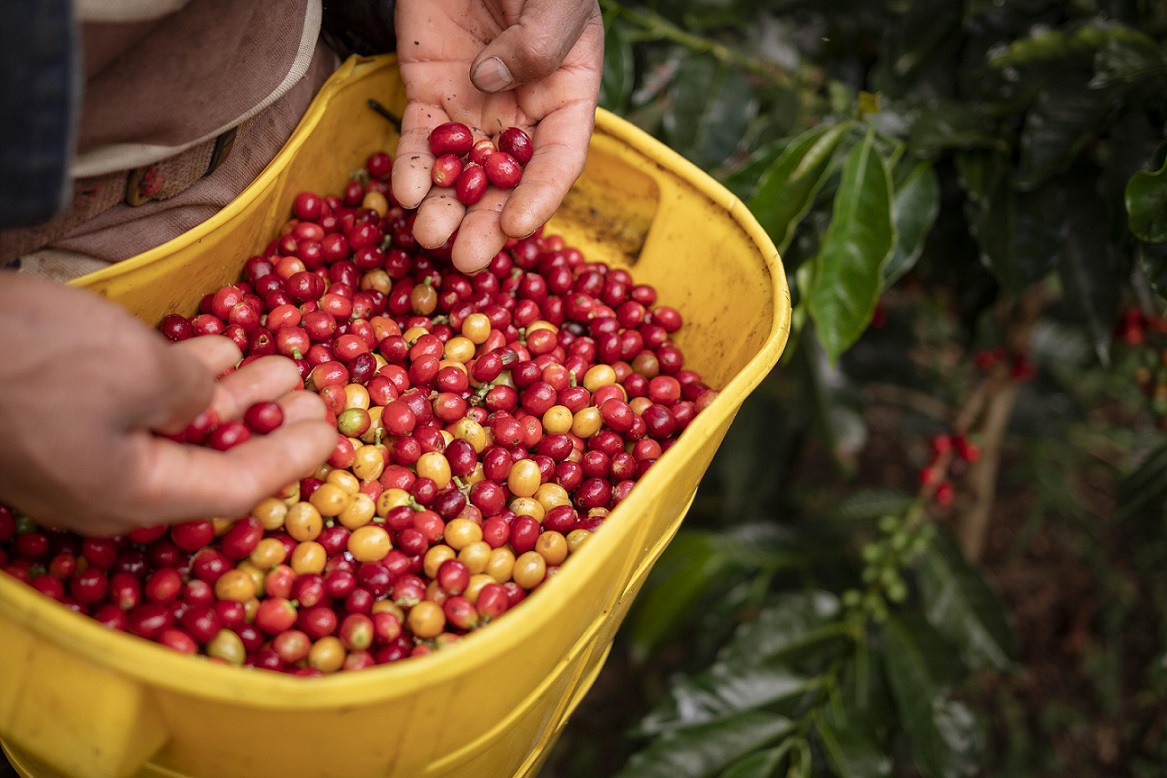 Yet, Carlos sees hope through coffee. He wants to bring proper business to the Amazon, replacing illicit trades with legitimate businesses and infrastructure.
As he beautifully puts it: “Coffee can be that chance. It can be the opportunity that could end the problems that leave us lagging behind.”
(Fotos: Pixabay)










.jpg)












