
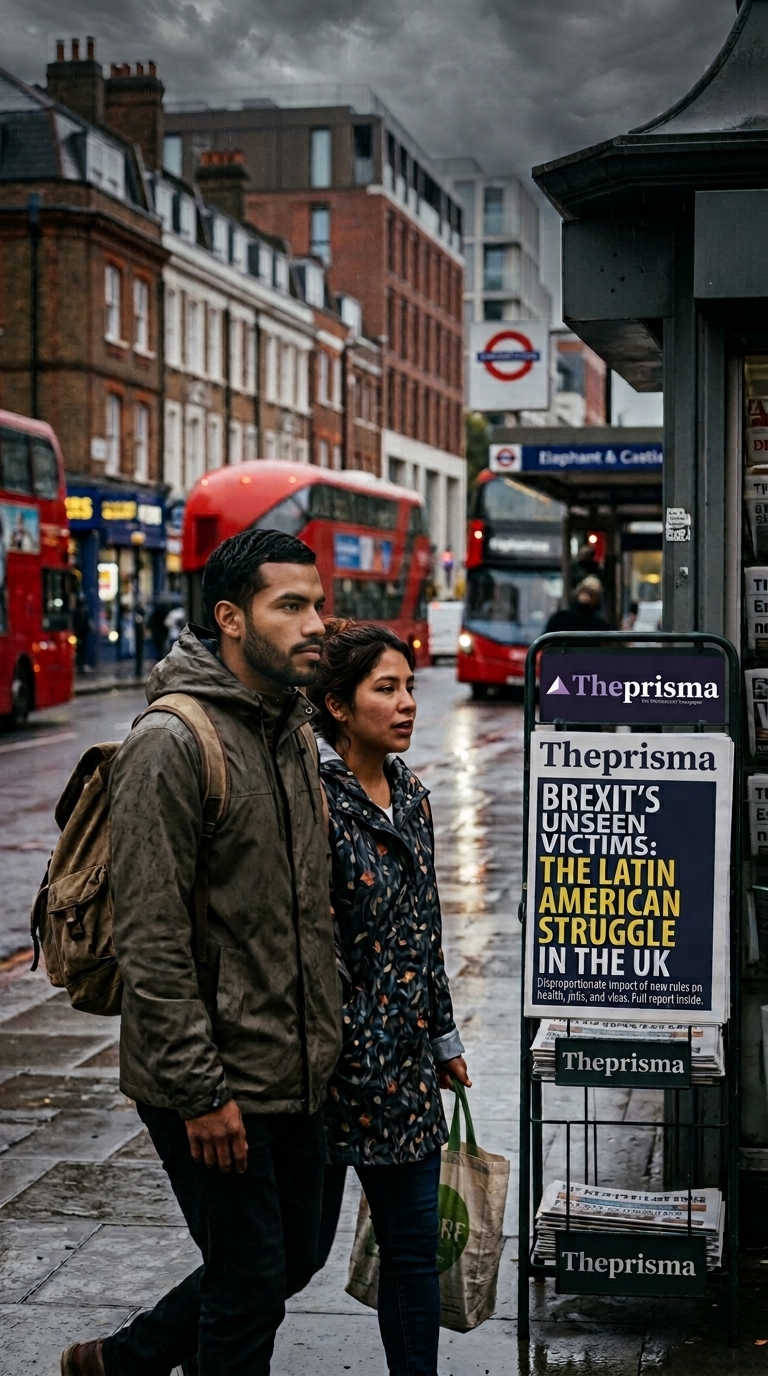
From digital settlement barriers to heightened domestic abuse risks, stricter immigration rules have severely impacted this essential migrant community. Deprived of public funds and facing a hostile environment, thousands—over a third arriving via second-country migration like Spain—continue to fight for stability and official recognition in post-EU Britain.
Marwan Nabli
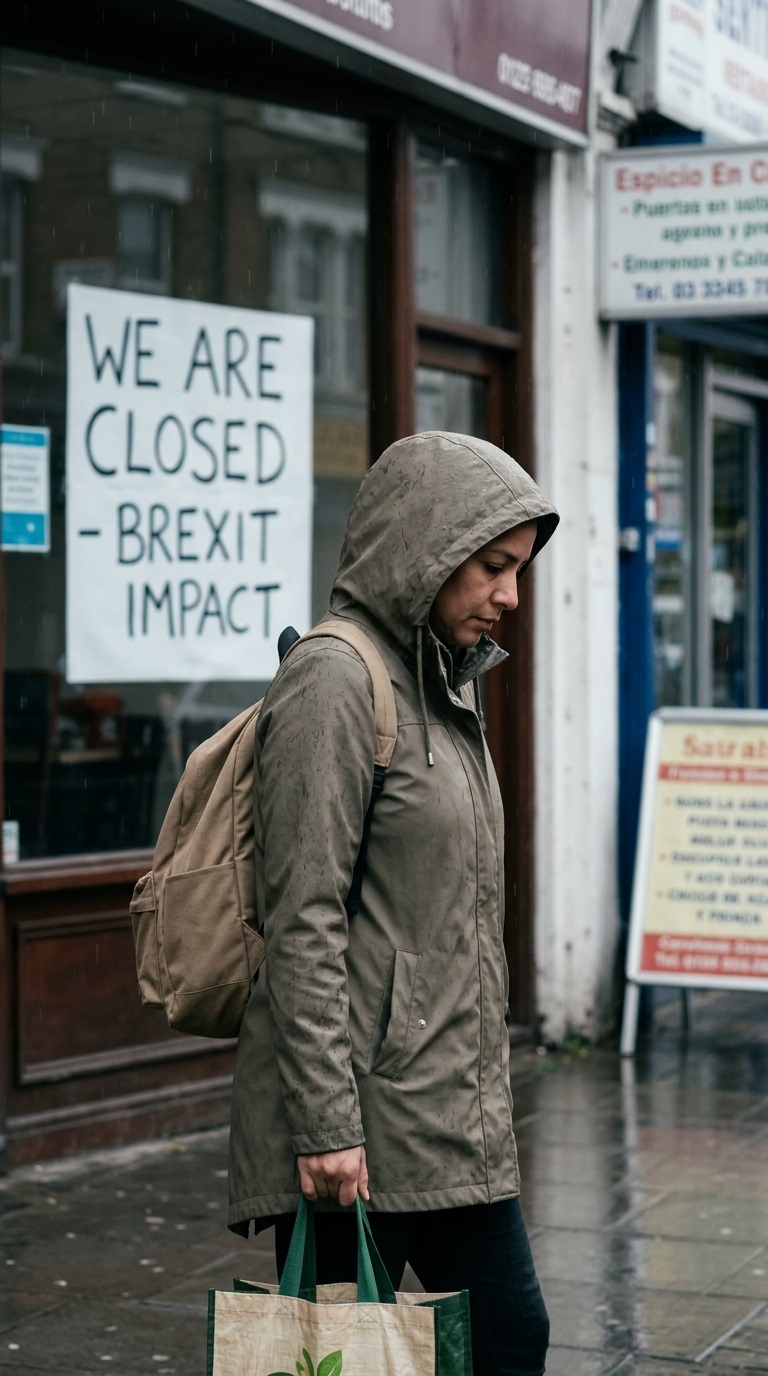
Latin Americans are often workers in sectors such as construction, hospitality, cleaning and care… They are among those indispensable workers who keep British society running. And yet, for nearly six years now, they have had to cope with newer, stricter immigration rules, which can sometimes feel like a sword of Damocles hanging over their heads.
Six years ago, citizens of the European Union were, of course, the most affected by the new rules of Brexit. This also included some Latin Americans who had travelled to Europe before moving to the UK.
According to No Longer Invisible, a landmark study on London’s Latin American community conducted by researchers from Queen Mary University of London, more than a third (36.5%) of Latin Americans had previously lived in another country before arriving in the UK, most commonly Spain.
“As EU citizens, they were able to move freely to the UK before Brexit, but they were among those who lost that right once free movement ended”, says Carolina Victoria Gutierrez, Head of Services at Latin American Women’s Aid (LAWA).
Her organization was created in 1987 to provide support to Latin American women, and particularly those who are victims of domestic violence. They offer services such as “emergency accommodation, gender-based violence advice, counselling, immigration advice, housing and general advice, English lessons, and outreach work.”
“What is my status? ‘What is my position now?’ are the sort of questions the people we met were asking themselves in 2020,” adds Gutierrez. “The visa system is difficult even today. There are so many deadlines that people had to know about to fulfil the requirements for settled status. Some women are also facing difficulties accessing technology.”
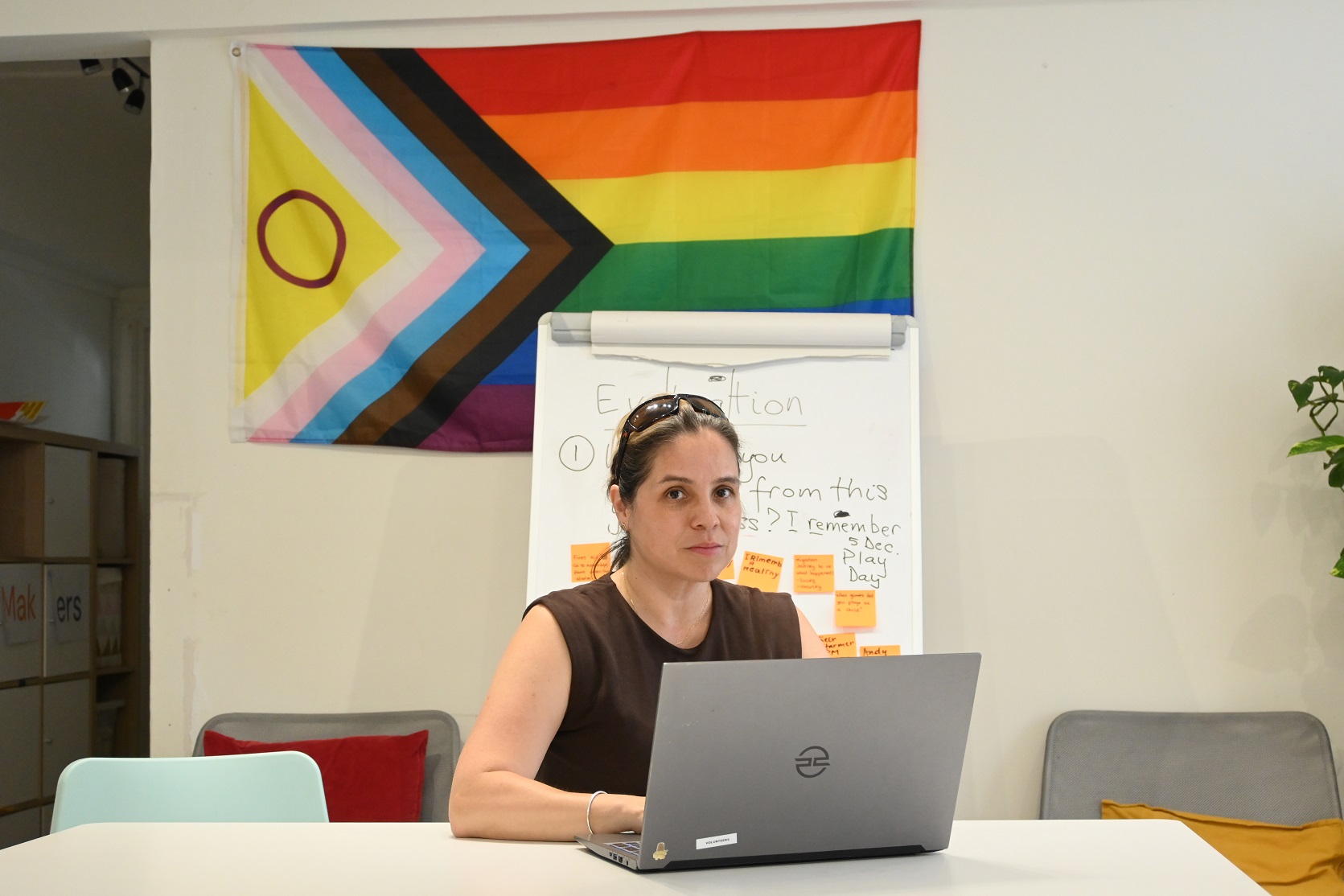
One key reflection is that the systematisation of application processes can be particularly challenging for some women. While digital and structured application systems are intended to improve efficiency, they can also create barriers for those who face language difficulties, limited digital skills, lack of confidence, or other personal circumstances. As a result, some women may require additional support and guidance to navigate these immigration processes successfully.
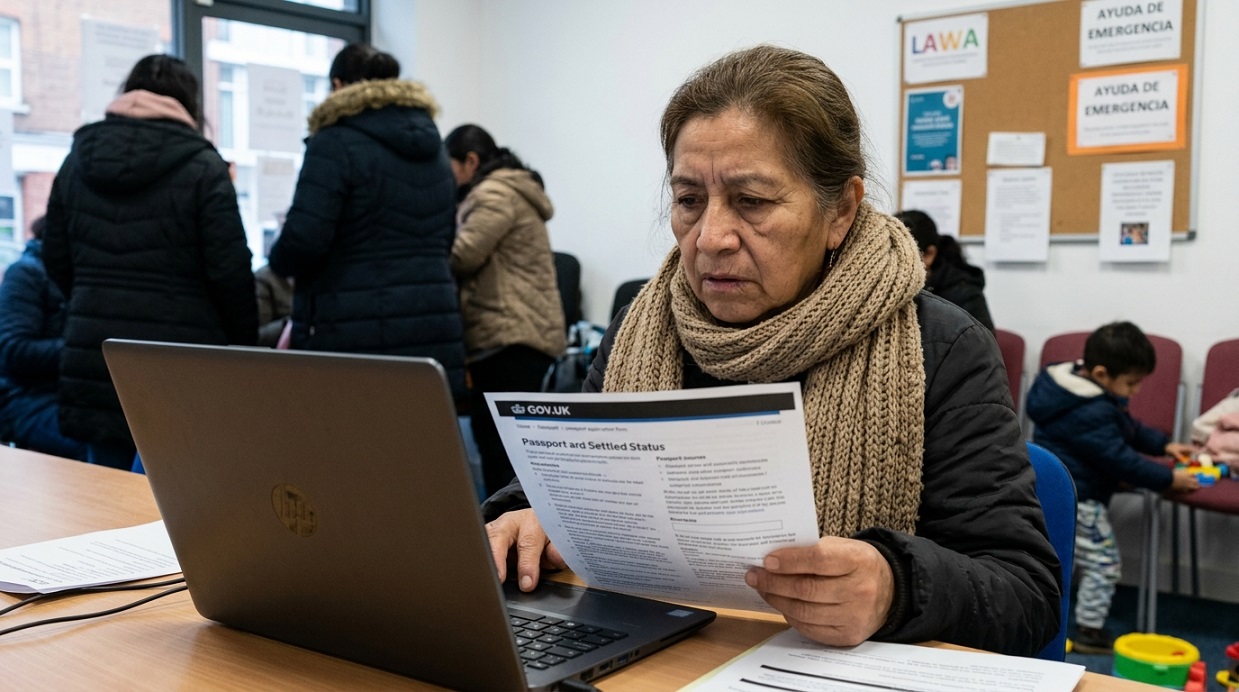
To qualify for Settled Status, European applicants had to prove that they had lived in the UK for at least the past five years to obtain a right of permanent residence, equivalent to Indefinite Leave to Remain. Pre-Settled Status, on the other hand, was granted to people who had been in the United Kingdom for less than five years and allowed them to remain until they had completed five years’ residence, after which they could apply for Settled Status.
Carolina remembers that “the government was not prepared in 2020; they didn’t have the resources. Our community played a very important role.”
Latin Americans with dual nationality holding a European passport are not the only immigrants who have wanted to settle in the UK in recent years.
 The community is characterised by a wider range of immigration statuses, such as family members or joining family members of EU citizens, LTR holders of a UK visa, dependents of spouses on work or study visas, asylum seekers, and refugees.
Brexit has had an impact on those covered by European law. It ended the possibility for newcomers to enter or bring family members to reside, and for some already here to obtain settlement based on a relationship with an EU citizen, which might have broken down permanently. Family permits, residence cards and derivative rights became largely unavailable for new applicants, while family reunion increasingly fell under more restrictive immigration rules in the UK.
In addition to the immigration process, Gutierrez says that Latin Americans are facing greater economic difficulties than before, when they worked in underpaid jobs but were expecting social benefits to alleviate the burden of living costs. Instead, they face restrictions on access to public funds.
For some of the most vulnerable members of the Latin American community, particularly women experiencing domestic abuse, the tightening of immigration rules has also made it harder to escape abusive relationships and rebuild their lives.
 “It’s more difficult for them to access protection and to get their immigration status regularised now”, observed Carolina.
According to LAWA, “many migrant women now find their right to remain more closely tied to a partner’s immigration status or to restrictive visa conditions. Fear of losing their lawful status, limited access to public funds and the complexity of the UK’s immigration system can leave victims trapped in abusive relationships, reluctant to seek help or report violence.”
In this context, Step Up Migrant Women plays a key role. This national coalition is coordinated by Latin American Women’s Rights Service (LAWRS) and brings together more than 50 organisations, including LAWA. The campaign seeks “the implementation of safe-reporting mechanisms and an end to data-sharing policies when victims with insecure immigration status report abuse”.
More generally, Carolina feels that “Brexit created an environment of hostility. Even if you had British citizenship, you still felt that you were not welcome in the country.”
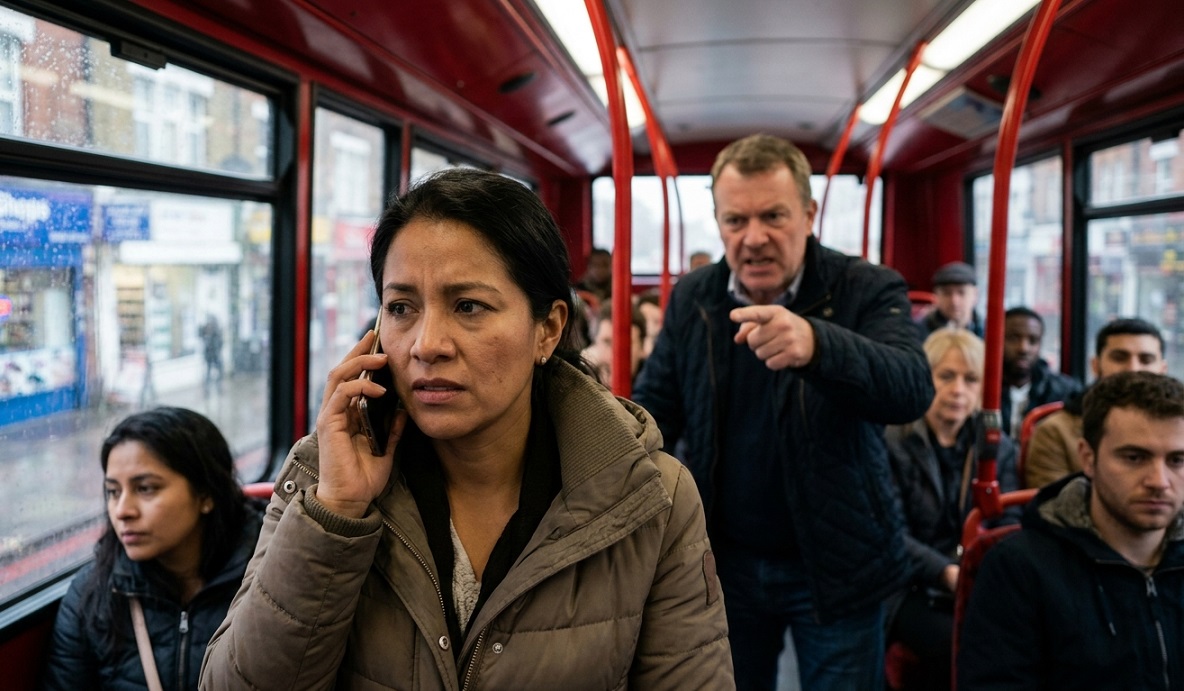
 Having arrived in the UK from Colombia in 2006, she remembers being targeted in 2023 on a bus by an English passenger because she was speaking Spanish: “This man told me: ‘You are in England, speak in English or go back to your country’. I was so afraid that I just got off the bus.”
Carolina Victoria Gutierrez regrets that “before Brexit, LAWA met women who came to the UK because they had family here, an idea to settle in the country and a life project”. She says that “the number of women who decided to go back to a European country increased significantly during 2020/2021 because of the uncertainty created by Brexit”. To fully integrate, she hopes that the Latin Americans will soon get “full recognition”. Unfortunately, in 2026, the community is still not recognised as a distinct ethnic group in the UK’s official statistics.
(Images generated by Geminis AI)










.jpg)












