
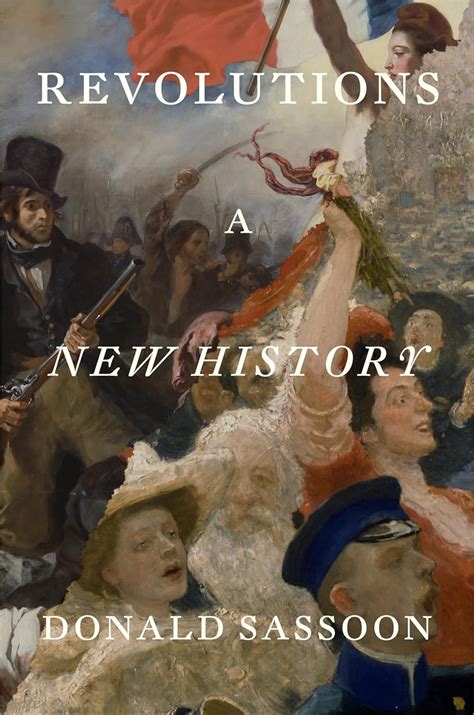
A revolution can be taken to mean a change in the economic power structure of a society but, as Donald Sassoon points out in “Revolutions”, this hardly applies to the American War of Independence.
 Sean Sheehan
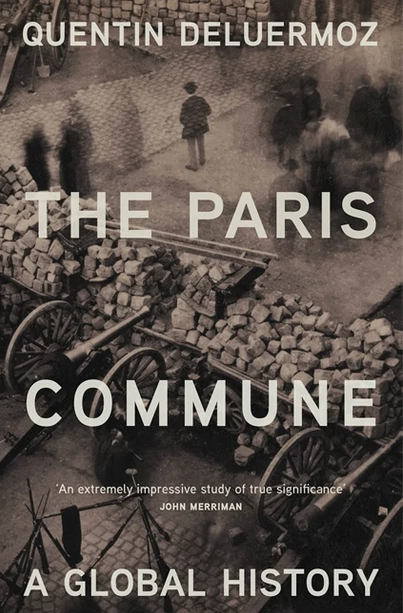
It does, however, serve to describe the spirit and the substance of what occurred in Paris in 1871, as Quentin Deluermoz’s “The Paris Commune” makes very clear.
After the Second French Empire’s defeat by Prussia in January 1871, new elections delivered a majority of seats to monarchists in the country’s National Assembly. The new government, distrusting the capital, moved itself to Versailles and planned to take there the cannons situated in Montmarte, a neighbourhood in the north of Paris. Resistance became insurrection and the city officially declared itself the Commune, with seventy-nine elected representatives, on 28 March. It lasted until the end of May when the Versailles government reconquered the city and conducted a large massacre of Communards.
Deluermoz’s impressive and insightful study takes on board the huge amount of scholarship and commentary on the event. He presents a fresh perspective that explains, given its short life, the disproportionate and inspiring importance of the Commune as a national and world event. It changed how individuals – and not just who participated – understood history and themselves: Communards set about dismantling the existing state as “day labourers, cobblers and clerks became tax collectors, police chiefs and excise officers”.
 Administrative records have survived, showing how they set about changing their world while policing it and respecting the new laws being introduced. The details of how this unfolds make for some of this study’s best reading.
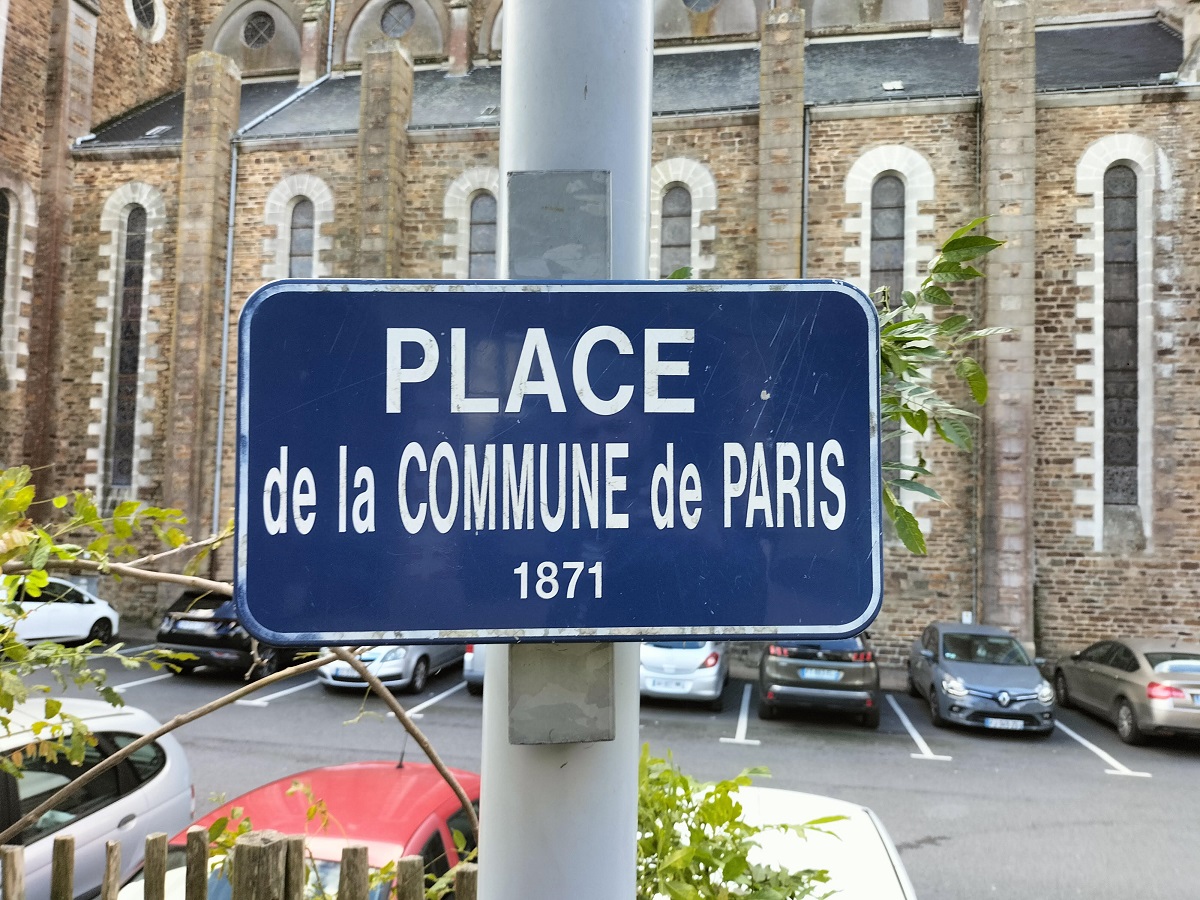
The book’s final part considers the Commune’s end, the massacres and trials that followed and the need to return to it as an explosive moment that broke out of its historical confines. It served as a memory in the Russian Revolution and the German Revolution of November 1918, in Shanghai in 1967, in the France of 1968, in Oaxaxa in 2006. As a spectre, it refuses to die.
The author of “Revolutions” comes to a similar conclusion about revolutions in general. Sassoon gives an overview of – as one definition puts it – attempts to change a society’s ‘state and class structures…accompanied and in part carried out through by class-based revolts from below’. The book begins with the English Civil War and moves on to the settlers’ rebellion in America before looking at the French, Russian and Chinese revolutions; regrettably, the revolutions in South America are not accorded the attention they deserve.
Despite the many failures and defeats of revolutionary moments,capitalism itself is subject to constant change and in the process of its evolution there is always the space for an accumulation of problems to create a spark that becomes a revolution.
When and how this happens is unpredictable but, as “Revolutions’ concludes, “at an unforeseeable moment, fate (there is no other word) strikes.”
“The Paris Commune: A global history”, by Quentin Deluermoz, is published by Verso. “Revolutions: A new history”, by Donald Sassoon is also published by Verso.










.jpg)













