
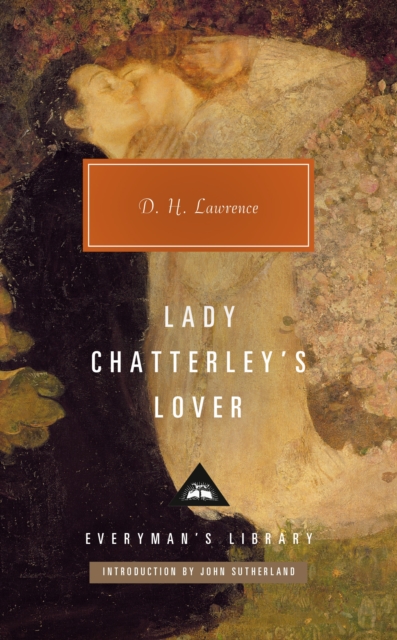
D.H. Lawrence’s “Lady Chatterley’s Lover” has never recovered from charges of primitivist male chauvinism, but a new edition of the novel presents an opportunity to rescue the book from too-harsh and too-simply delivered criticisms.
 Sean Sheehan
Connie Chatterley —her Lady title derives from the class status of the man she marries – becomes disgusted with her husband but not because of war injuries that leave him sexually incapable and without the use of his legs.
His upper-class manners and assumptions of superiority aggrieve her, and she is repulsed by the way he regards the workers in the coal mines he owns.
She recognises them as “in some ways patient and good men” but, in other ways, “non-existent”. Something that men should have was bred and killed out of them. The eugenicist-sounding use of “bred”, straight out of Lawrence’s messed-up politics, is at odds with Connie’s own receptiveness and respect for others.
The most emotionally moving scene in the novel, unless the roiling sex scenes are found agreeably agitating, is the conversation Connie has with Mrs Bolton about her husband who died in a pit accident twenty-three years earlier.
The widowed woman speaks about him as if it was yesterday: “She wept a few bitter tears, and Connie wept more. It was a warm spring day, with a perfume of earth and of yellow flowers, many things rising to bed, and the garden still with the sap of sunshine.”
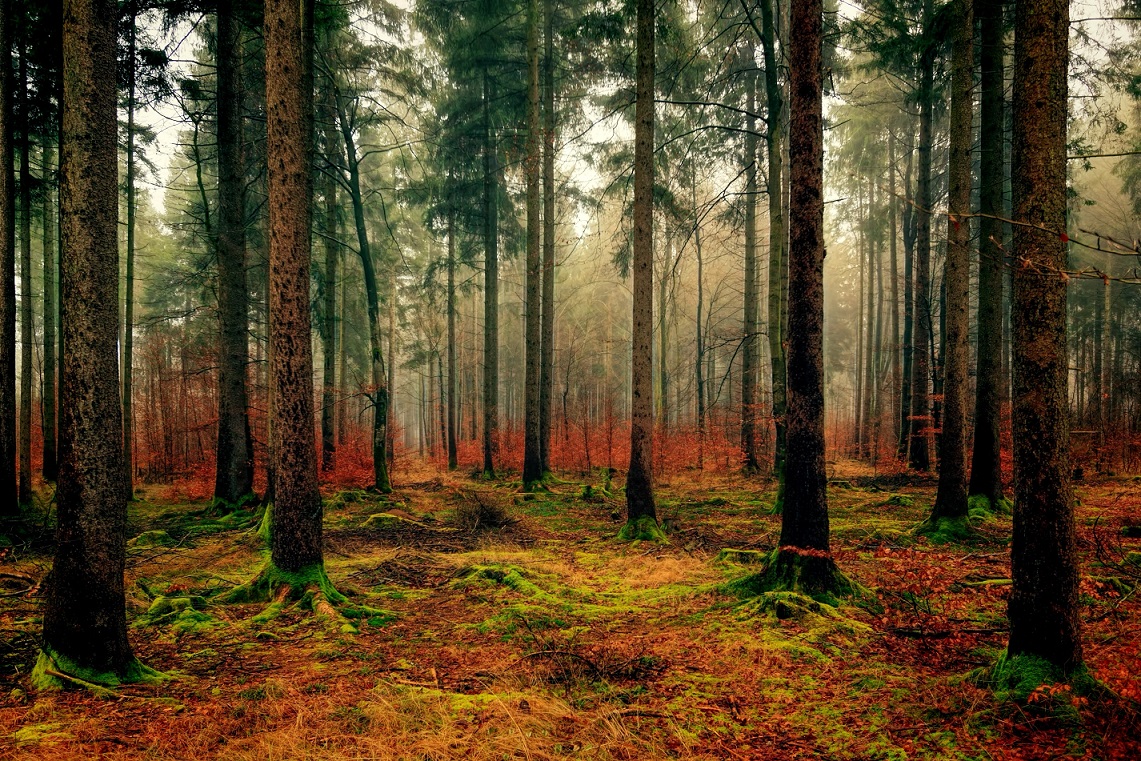
The presence of nature, accompanying human experiences like this one, recur throughout “Lady Chatterley’s lover”, The first version of the novel was written by the author in a wood, sitting against a pine tree (by the time of writing the final version, Lawrence was dying). On a visit to the wood her husband owns, Connie feels through her body “all the trees making a silent effort to open their buds” and she responds to “the inwardness of the remnant of forest, the unspeaking reticence of the old trees.”
Connie’s dissatisfaction with her life —which the reader is told is “older than the hills” —- has its own deep roots in her marriage and her class position. When she sees the gamekeeper washing himself the reawakening of the body leads to their heady sex, despite her awareness of the silliness of the physical act (“this ridiculous bouncing of the buttocks”), and it is registered in her feel for nature: as she runs home “the trees in the park seemed bulging and surging at anchor on a tide, and the heave of the slope to the house was alive”.
When Connie’s husband comes to know she is alienated by his presence, she becomes for him “a Bolshevik”; sexual treason becomes a political act.
The novel’s giddy ruminations about relations between men and women are seen through the prism of class, something readers can relate to without sharing all of Lawrence’s confused sentiments and ideas.
“Lady Chatterley’s lover”, by D H Lawrence, is published by Everyman’s Library.










.jpg)













