
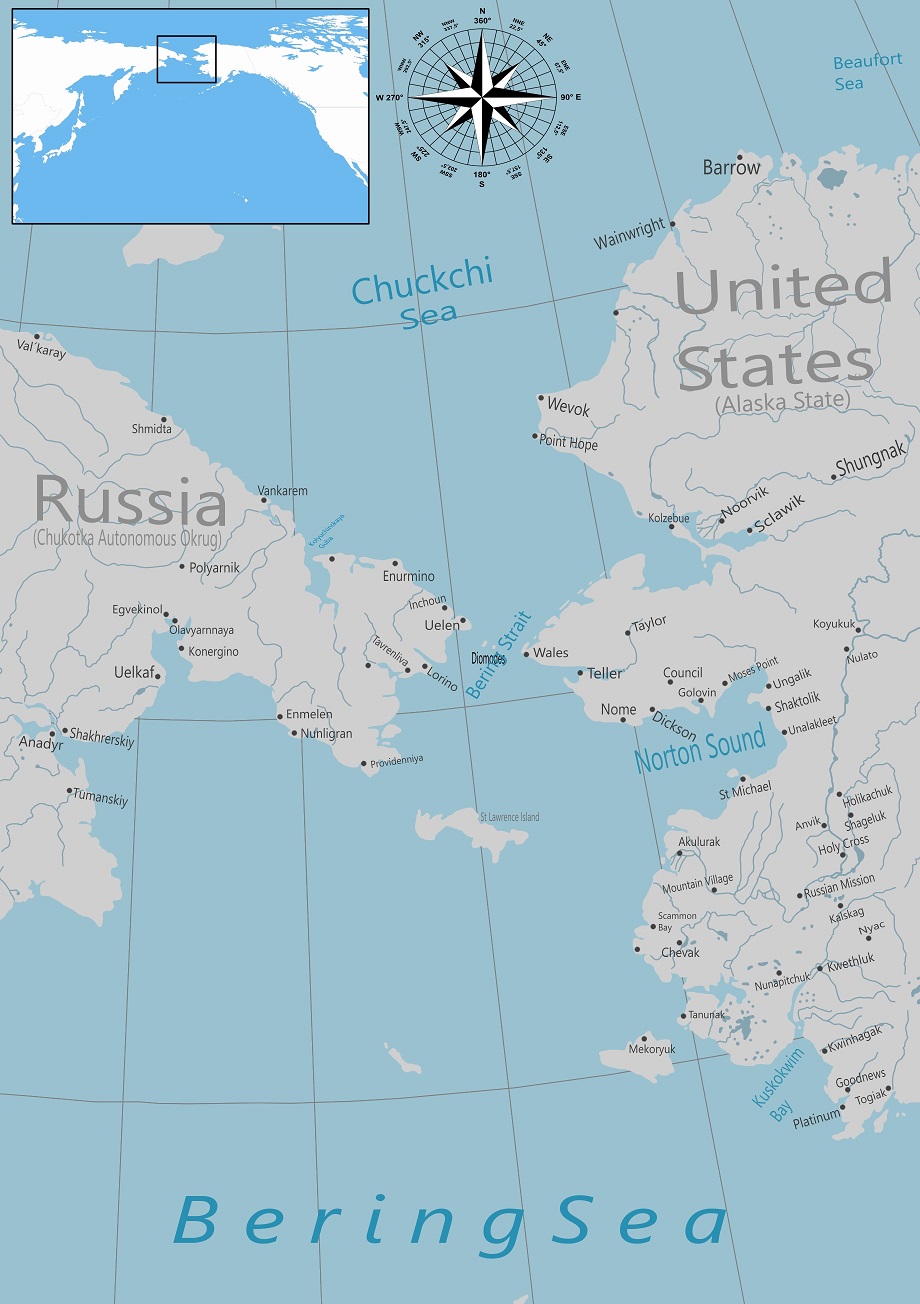
An anthropologist, with field work in Alaska behind her, moves across the Bering Strait to the Kamchatka peninsula in the Russian Far East. There she finds the animist impulse of which only traces had remained with indigenous Alaskans.
 Sean Sheehan
She meets the reindeer-herding Even people who, under the Soviet regime, had been resettled on collective farms. Her story is focused on a single family who, during the final years of the USSR, seized the chance to return to the forests of Kamchatka and resume a self-sustained life of fishing, hunting and gathering.
Nastassja Martin’s book is about she finds a phoenix-like rebirth of a culture emerging from its own ashes.
Central to this culture is the animist cosmology that gets reduced to a folk curiosity when the bonds between humans and animals — “metastable interspecies relationships” — are broken.
In the USSR, the yoking of nature to the demands of increasing production witnessed the husbanding of less than a score of reindeer by one Even family transformed by their allocation to farms herding thousands of the animals.
Martin writes beautifully, imbuing anthropology with philosophic and poetic truths. She draws readers into sharing her respect for those Even who resist the dominant impulses of modernity that would shrink the sublimity of nature to daytrip moments of redemption in protected national parks.
The author is intrigued by the Even collective, and the woman Daria, in particular, after the move back to the forest and the reconnection it created with an ecosystem of trees, river, salmon, bears, eagles, elk, sable and lynx.
 Daria, born in a yurt in 1952, used to work in a pharmacy in the small, now touristy town of Esso.
But the Even people in the forest also have need of chainsaw fuel, flour, sugar and the like —so caviar is sold illicitly and sables hunted for their fur.
The contradiction is ruefully accepted. Daria’s son, Ivan, willingly leaves to fight in Ukraine for the Russian government and this too has to be accepted.
Martin finds inspiration in Daria’s animist outlook and her resolve. One day, she waits, with Martin, for a bus to take them to a town to finalize the papers that will safeguard her family’s right to their land. They are tired, their canvas clothes stained and her nails are blackened from soil. She admits to feeling ashamed when they meet with a woman finely dressed in traditional clothes, one of a troupe of dancers. Martin shrugs and Daria’s eyes “light again when her smile comes to lift them, and we climb into the bus”.
“East of dreams” is a rare and compelling piece of writing that says as much about us as it does about being other/different.
Martin questions the rift between science-based distinctions that separate the living/nonliving and human/non-human and animism’s attribution of animacy to a stone or a river.
In the perilous age of global warming, her time with Daria and the Even brings home to her the necessity to bridge this gulf.
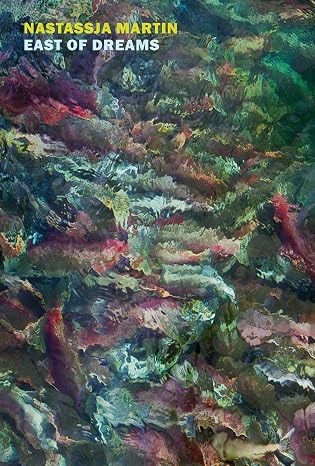
“East of dreams”, by Nastassja Martin, is published by NYRB.
.










.jpg)













