
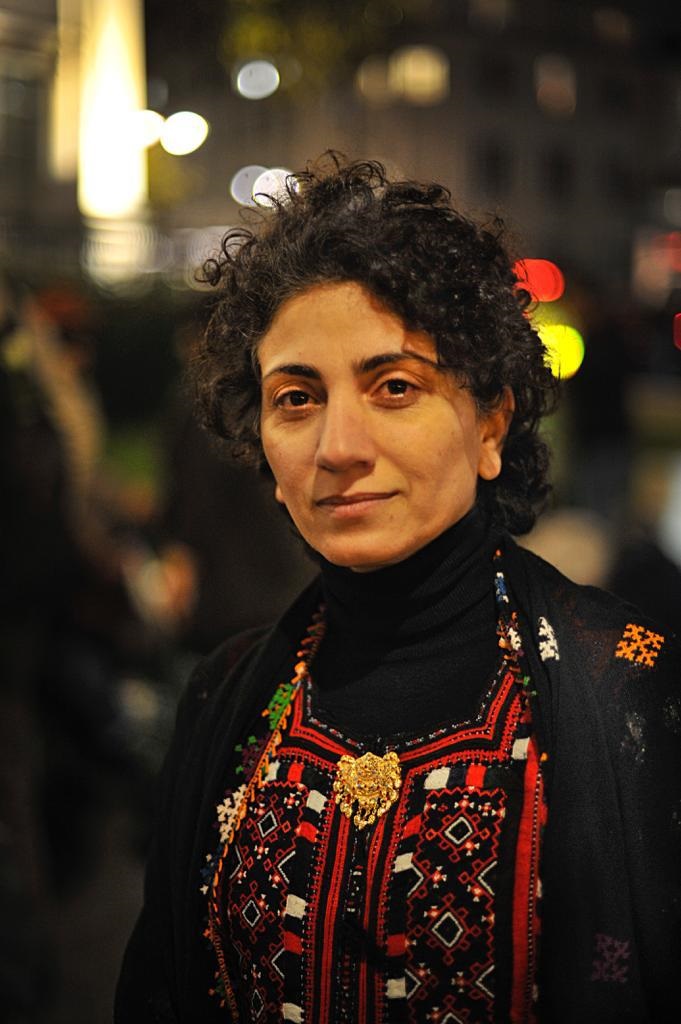
Fariba Balouch, a woman who transformed the scars of discrimination into a global call for justice, has been named one of the recipients of the 2024 International Women of Courage Award. From Sistan and Baluchestan to the international stage, she has fearlessly fought for women’s rights and against the injustices of the Iranian regime, making her voice heard worldwide. Fariba spoke spoke exclusively to The Prisma.
Rola Zamzameh*
In southeastern Iran, Fariba Balouch’s story is one of resilience, courage, and transformation. Born in Balouchistan, she spent 16 years teaching girls in her homeland, becoming not only a teacher but also a trusted ally.
Despite challenges like domestic violence and societal taboos around divorce, Fariba’s journey was one of empowerment and defiance. At 30, after enduring 13 years of abuse, she overcame her fear of divorce, breaking free from an oppressive marriage and shattering stigma in Balouchistan.
Her move from Iranshahr to Chabahar marked the start of her activism, where she tirelessly empowered women, brought out-of-school girls back to education, and supported social initiatives.
Later, Fariba moved to Zahedan to study clinical psychology. After graduating, she founded Chabahar’s first women’s addiction rehabilitation centre. In the UK, her activism continued, raising awareness about Balouch women’s issues. Her writing amplified their voices, despite personal costs—family ridicule and a three-year separation from her children.
Fariba emerged as a key figure in the “Woman, Life, Freedom”movement, symbolizing women’s strength in fighting for justice. Her story demonstrates the power of perseverance and the importance of standing up for what’s right, inspiring all who dream of freedom.
Before the “Woman, Life, Freedom” uprising, I was often judged and threatened for my appearance. After the Bloody Friday of Zahedan, societal views within the Baluch community shifted. Those who once criticized me now send messages of pride. This journey taught me that perseverance and patience yield results. As Gandhi said, “First, they ignore you. Then, they laugh at you. Then, they fight you. And then you win.”
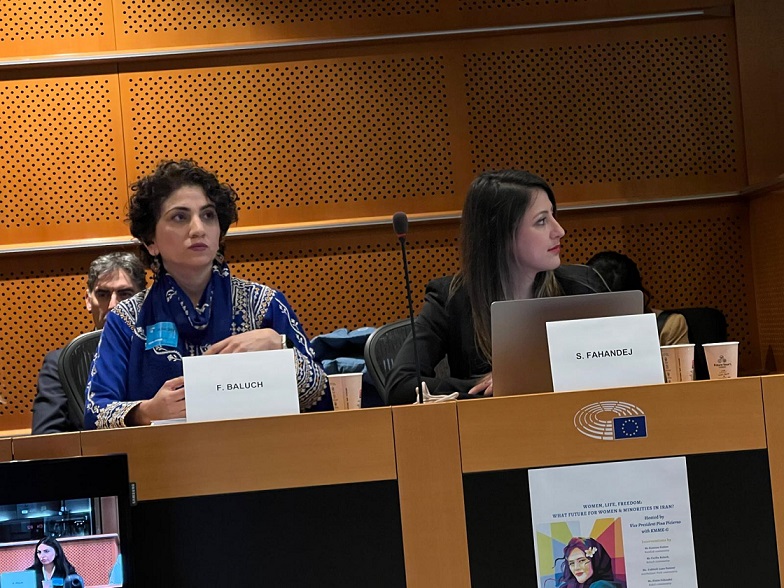 Fariba explains: “In the beginning, the attacks and insults deeply hurt me. I couldn’t imagine how activists endured so much hate speech. But after migrating, I transformed these threats into opportunities for personal growth. Today, I’ve reached inner peace and hold no grudges. My focus is on the humanity of individuals, not their opposing beliefs. This journey has been a school of growth for me.”
She reflects on tolerance, noting: “Hearing harsh words was difficult. Over time, I’ve learned that many of these people carry their own traumas. Patience isn’t easy but is often necessary. Interestingly, some who once threatened me now express pride in my efforts. These transformations are both surprising and rewarding.” For Fariba, courage is not the absence of fear but moving forward despite it.
“As a mother, the fear for my children’s safety always lingered, especially when they were still in Iran. But I couldn’t let fear stop me. My fight is for the future of my daughter, other Baluch women, and all Iranians. I may not see the change I’m striving for, but I hope future generations will.”
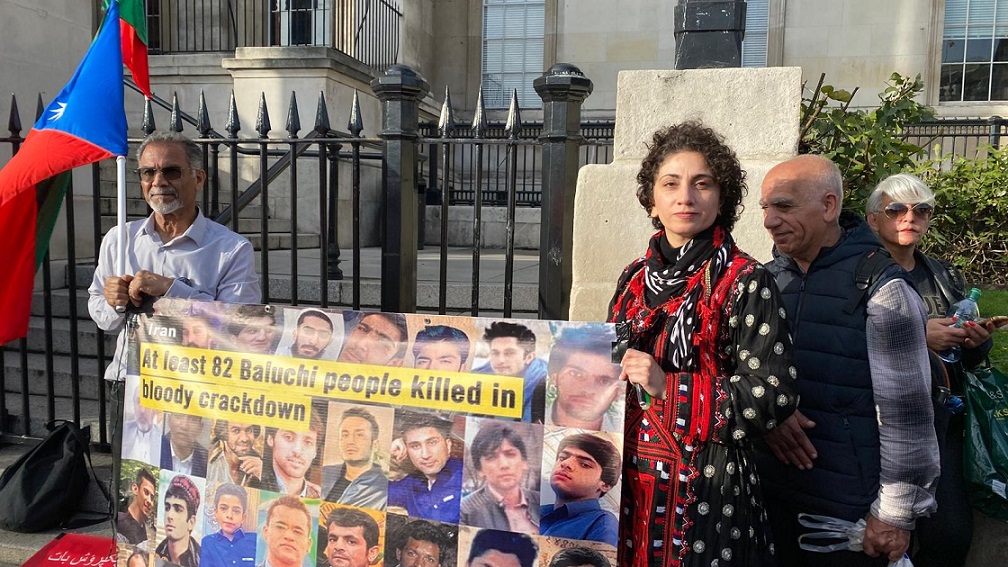 When asked at the White House about courage, she said that women begin their struggle at home, fighting for their rights, then extend their resistance to society—unseen, unheard, and unnamed. “They are the true heroes,” she added, “like Baluch women who first fought patriarchy and then took on the entire oppressive system.”
Referring to a quote by Maya Angelou, Fariba states: “Every time a woman stands up for herself, she stands up for all women.” She has lived this truth, adding, “While writing my story, I felt the solidarity of countless women. Some, inspired by my journey, made life-changing decisions. One woman, trapped in an abusive relationship for 18 years, found the courage to leave after reading my story.”
Fariba underlines the essence of courage, saying, “I still worry about my son in Iran, under constant surveillance, and my daughter here in the UK. But we cannot let fear stop us. If I let fear for my family hold me back, or you let fear for yours do the same, nothing will ever change.”
She reflects on the personal toll of activism, saying, “No matter how much we think about it, a child is incredibly precious to a parent, but when you’re a parent in this situation, everything changes.”
 And she adds: “One day, when I was feeling down and my son and brother were in prison, a friend who works in children’s rights came to see me. I didn’t know who to talk to or how to calm myself. At the same time, I had to sit for an interview. I remember the first time my children were arrested, and when my interview aired, I was crying uncontrollably. It’s a heavy psychological burden. I felt it was my fault, thinking I should be in prison instead of my kids. Why should they suffer because of my activism? It was a lot of pressure, and my brother was also in prison. I constantly worried, and my sister would send messages saying, ‘Stop, mum is having a heart attack.’ It was a terrifying time, like a nightmare.”
Fariba spoke about the period when her son and brother were imprisoned and how messages of support from Baluchistan, especially from young men who considered themselves her sons or brothers, helped her stay strong. She also shared how she had to distance herself from her family for their safety but was constantly worried about them. She emphasized the importance of standing against oppression, stating that change requires sacrifice, and she is ready to be that sacrifice if needed.
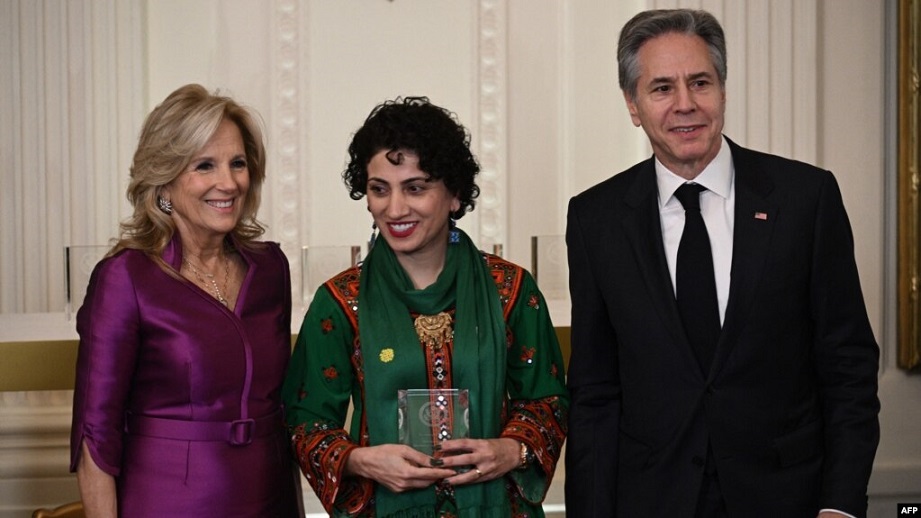
Fariba discussed receiving the 2024 International Women of Courage Award at the White House, explaining how, despite her mother’s belief that no one would hear her voice, she stood proudly and spoke about being a Baluch woman from a place unknown to many. Today, her voice and the voices of Baluch women are heard worldwide.
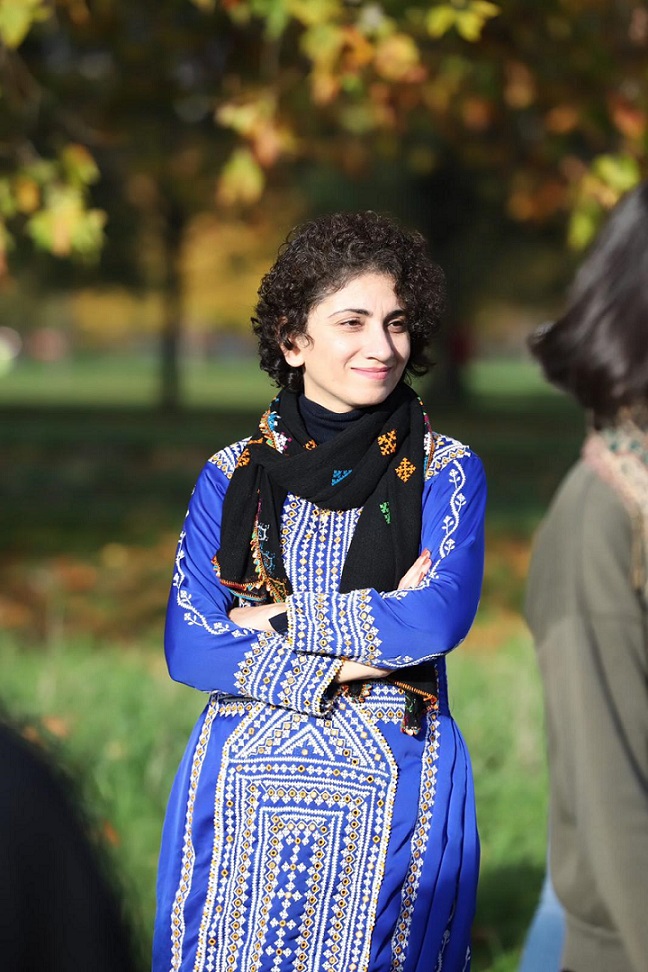
Fariba also reflected on her cultural identity and the Baluch dress. While proud of her culture and attire, she explained she is not fanatically attached to it. Wearing the Baluch outfit is a way to introduce people to Baluch culture in Iran and challenge stereotypes often portrayed in films and media, where the Baluch dress is wrongly linked to terrorism or smuggling. “I wanted to change perceptions and showcase the beautiful embroidery and colourful dresses of Baluch women,” she said.
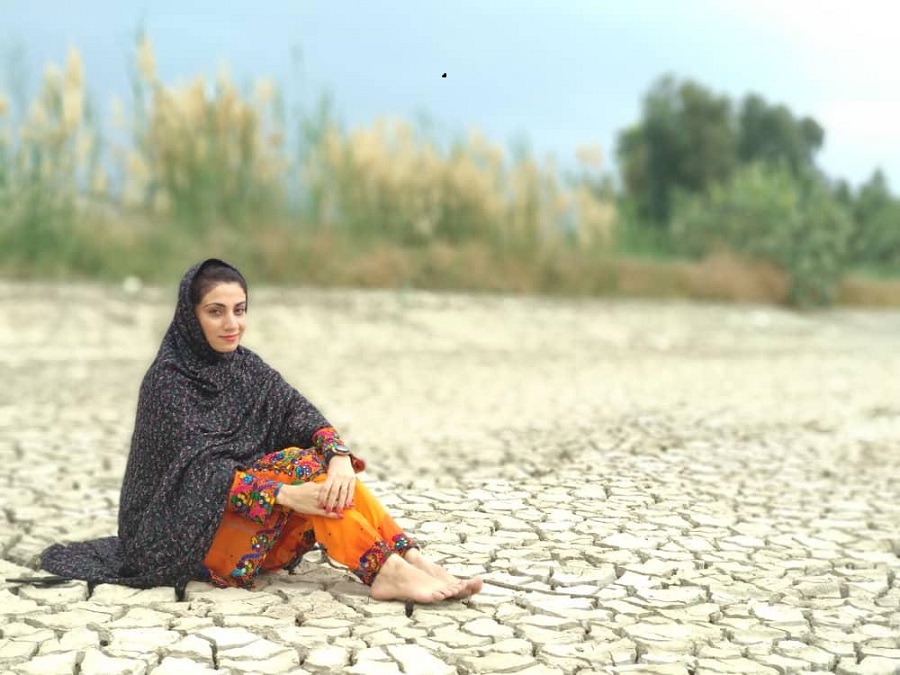 Fariba emphasized that she does not view the black chador as part of Baluch culture, attributing its introduction to the Islamic Republic after the revolution. “If I want to wear a hijab, I choose it myself, not by anyone else’s force,” she added. During international events, such as the White House ceremony, she wore her Baluch dress to show that she is a Baluch woman and that Iran is not just about Farsi speakers, but includes various ethnic groups like the Baluch, Kurds, and Turks, each with unique cultures and attire.
In her activism, Fariba Balouch finally highlights the critical role of her husband: “He has always supported me, especially after my migration. He encouraged me to publicize my page despite societal backlash, standing by me through criticism and attacks. Even when targeted himself, he boldly defended me, showcasing the importance of male allies. He believes that education should include men, fostering mutual growth alongside women. His unwavering support has empowered me to face threats and challenges with resilience.”
*Rola Zamzameh: Senior journalist at European Commission and Parliament.
(Photos supplied by the interviewee and authorised for free publication)










.jpg)












