
While the world watches and demands a solution to the Palestinian issue, which would put an end to more than 70 years of conflict and occupation, the small Rafah border crossing is playing a central role in keeping more than 2,000,000 people alive, besieged in a barely 360 square kilometre strip.
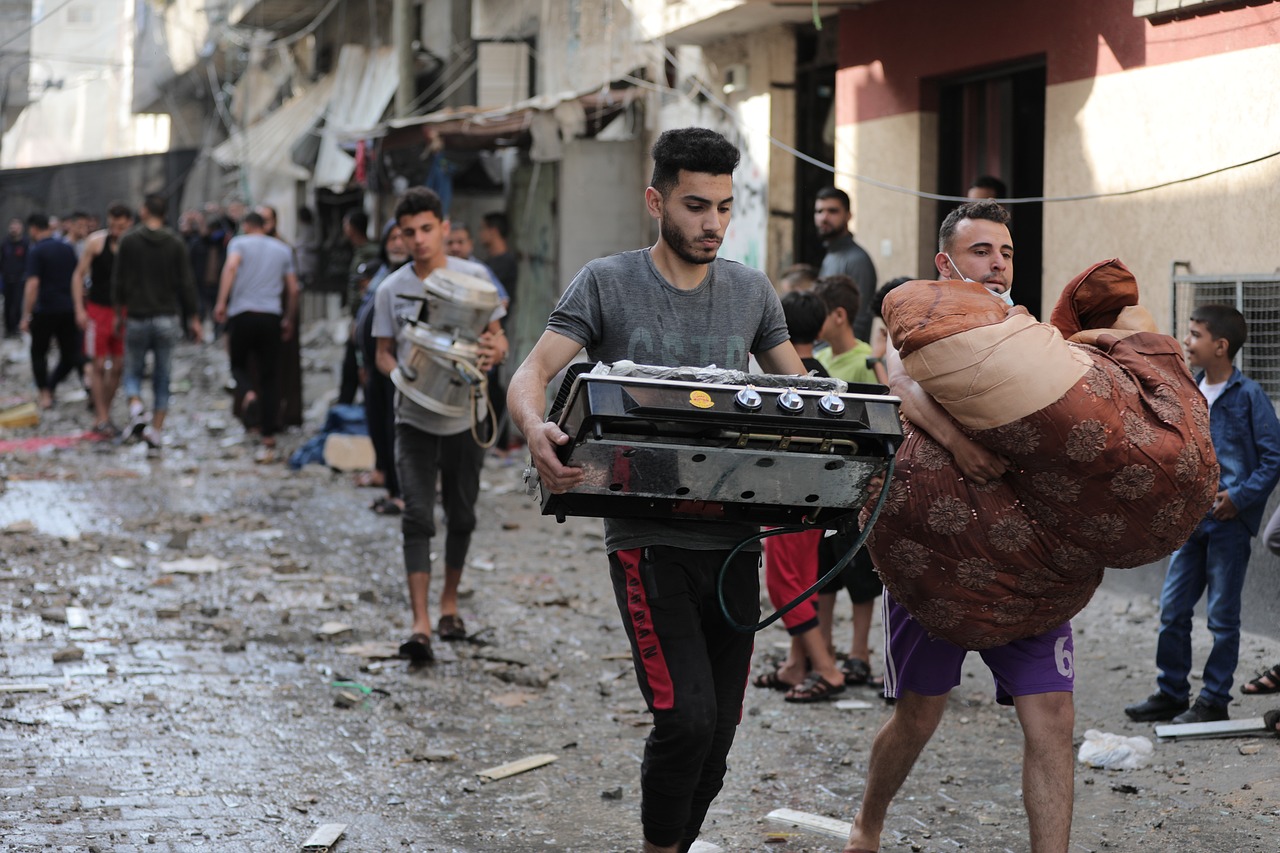
 Beyond the simple walls of the Rafah crossing, a nightmare is hidden from the world: the near-total destruction of the Gaza Strip, where more than 2,000,000 Palestinians have suffered almost 16 months of unimaginable horror.
A few hundred metres in front of the dividing line, an enormous peace symbol welcomes the visitors who approach it, although the reality is very different after passing through the large metal gates.
Upon reaching the border between Egypt and Gaza from bustling Cairo, after long hours of travelling, the crossing can seem a monotonous and tranquil place, where the silence is only broken by the hundreds of lorries loaded with freight that have entered the enclave every day since the beginning of the ceasefire between Israel and Hamas.
Nevertheless, behind the apparent calm is hidden the pain and rage of the rescuers, drivers, activists and thousands of people working to mitigate the crisis on the other side of the wall.
 During a trip through the zone, the press were able to confirm the efforts of the Rafah border, which became an umbilical cord for the neighbouring territory in the first months of the conflict.
The long queues of vehicles full of staple goods, from food and water to medicines, fuel and tents, are a reminder of the situation in Gaza, where more than 74,000 deaths have been reported since October 2023.
The trucks assembled there display writing in various languages and symbols, emblems and flags from numerous countries, from non-governmental organisations and UN agencies; a display of the wide-reaching global solidarity towards the Palestinian people.
The crossing was born out of the peace agreements in 1979 between Egypt and Israel, whose Governor kept control of the coastal enclave after withdrawing from the then-occupied Sinai Peninsula.
 However, during its existence, it mainly served as a people crossing, because freight traffic was carried out through the nearby border crossing of Kerem Shalom, located on the triple border.
The operation by Hamas, and the response from Benjamin Netanyahu’s government on 7th October 2023, put this little crossing back onto the global stage with its importance for Gaza.
However, last May, Netanyahu launched his Army against the crossing and the city of the same name, with the result that passage through there ceased completely until a few days ago, when the start of the new ceasefire boosted its reopening. According to authorities of the enclave, Israeli aggression caused direct damage to the value of $38,000 million.
The Government Press Office of Gaza specified in a recent report that, since the beginning of the war, the Army has destroyed 161,000 homes and damaged a further 194,000, meanwhile 82,000 have been left uninhabitable.
In the last 15 months, Israel has launched some 100,000 tonnes of explosives against the enclave.
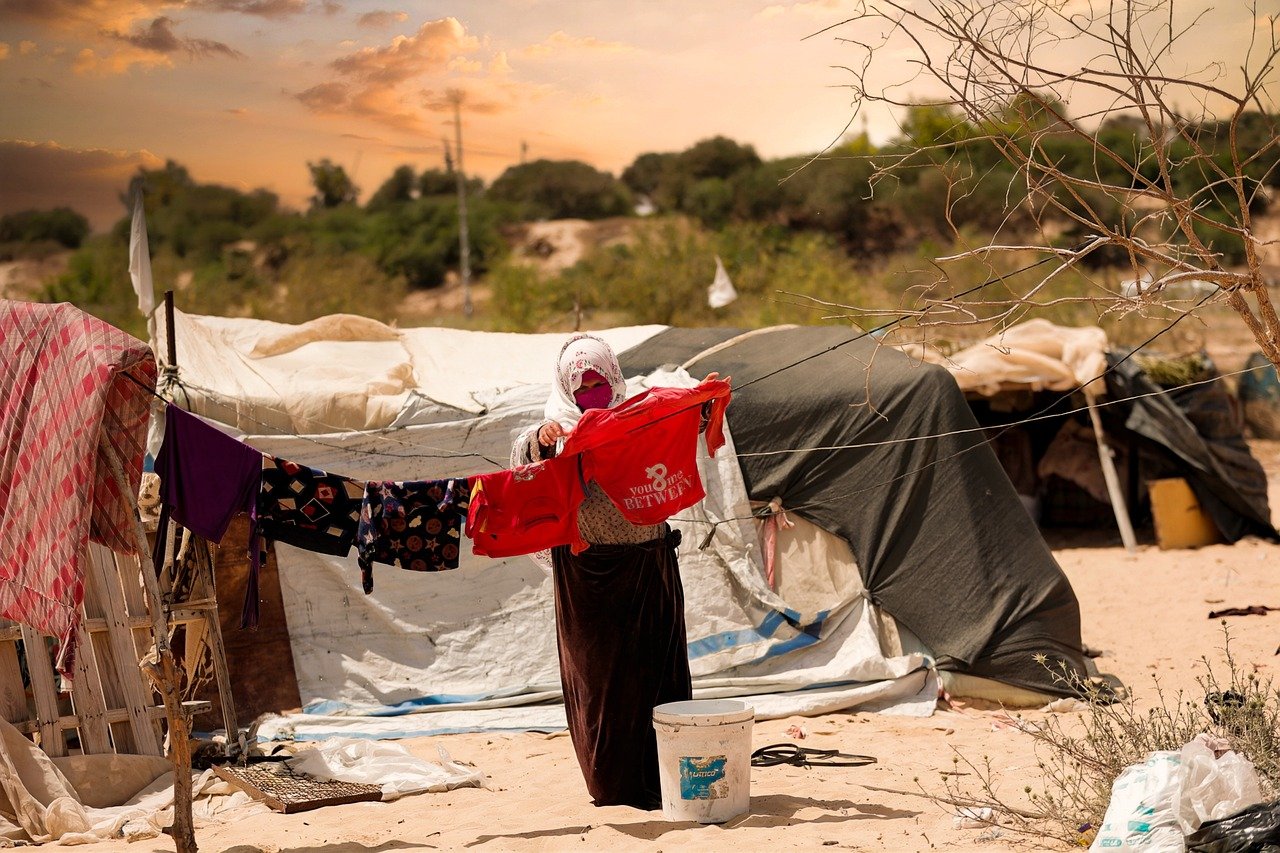 At least 206 heritage sites were destroyed, as well as 3,680 kilometres of electrical networks, 330,000 metres of water pipes, more than 2.8 million metres of road infrastructure and 42 sports facilities.
According to the document, 70% of the victims are women and minors, and it reported that more than 2000 families were wiped out, completely exterminated, and a further 4,889 have only one living member. Pl
(Translated by Donna Davison – Email: donna_davison@hotmail.com) – Photos: Pixxabay










.jpg)












