It might have been just another classic World War II tragedy, had the director’s vision been more complacent, or his fans stricter sticklers for history, but Quentin Tarantino has always been a rebel.
 Fausto Triana
“Inglorious bastards” marks a break in the dark Nazi chapters of the dramatic conflagration. A break from traditional patterns, perhaps suffocating typecasting, hackneyed plots. A huge dose of violence, physical and spiritual, and the revelation of two actors whose faces are certain to return to grace the big screen: French actress Melanie Laurent and Austrian actor Christopher Waltz.
And yet there is a certain disappointment in the overrated Brad Pitt and the poorly executed nods to Marlon Brando. Not to mention the plot’s resolution towards an ending which has some brilliant elements but is simultaneously, paradoxically, caricatured.
 Three scenes stand out as gifts for the audience. Two of these star Christopher Waltz, the sinister Nazi colonel Hans Landa, ruthless Jew-hunter, with his spellbinding ability to speak cutting fear into his every word. Waltz steals the spotlight from the film’s very opening. Beautiful 26-year old Parisian Melanie Laurent is already a rising star of French cinema.
Wild visions and tributes
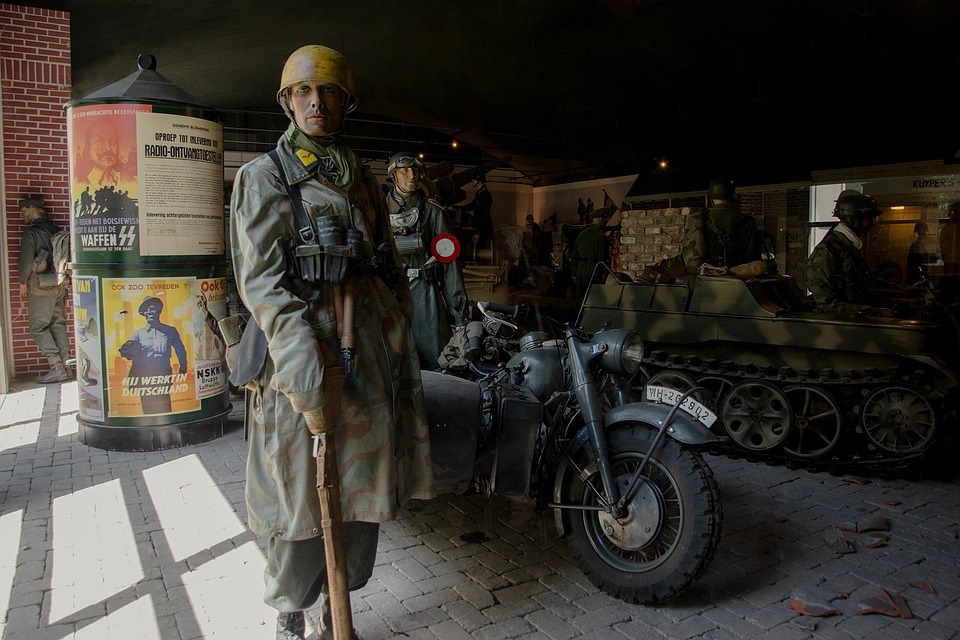
She is a triumph in Inglorious Bastards, from her duel with excellent German actor Daniel Bruhl (Goodbye Lenin) to holding her own against Waltz during a sinister tea party in which the Nazi official relishes in his own sharp and terrorising verbal wit. German actress Diane Kruger (Bridget von Hammersmark) also shines in the third of these rich scenes, which puts an Allied mission up against real Nazi SS and Gestapo officers.
Here we find the codes of tribute to cinema itself, in the style of the late Sam Peckinpah, as well as Tarantino’s wild Spaghetti Western-style visions. Permissible or not, the fact remains that he is breaking conventions when it comes to our concepts of both the Seventh Art and war.
You can sense the souls of history that haunt Inglorious, as if all Hollywood’s reckonings with World War II have come to a head with Tarantino (“Reservoir dogs”, “Pulp Fiction”).
 There is such joking and laughter in some scenes that even viewers struggle to resist, as with the gruesome violence and the absurd disconnect between the extraordinary first 11 minutes and the chaotic finale.
All of this is in addition to the astonishingly well-structured dialogues, sensational in their hysteria, with unforgettable moments. Some attempt to take a hard stance against what is undoubtedly a postmodern work. The avant-garde ideas ooze through the screen. There are times its genius reaches celestial heights, and others when it becomes too primitive, grotesque and cynical.
(Translated by Natasha Greenidge – Email: natashagreenidge1@gmail.com) – Photos: Pixabay






.jpg)