
“Jouissance”, the French word for enjoyment, is a term with philosophical implications due to the importance given it in the psychoanalytic ideas of Jacques Lacan. When it is applied to the reality of capitalism as a system of exploitation and subjection, political jouissance becomes a way of understanding why ideology succeeds in making us unfree.
 Sean Sheehan
Life’s senselessness and lack of equilibrium makes us aghast at our sorry plight and desire is the search for something that will fill the gap created by the failure of our existence. Desire cannot be satisfied because the gap is permanent but compensation is found in deriving satisfaction from the fruitlessness of the search. Jouissance’s peculiarity is the engendering of enjoyment out of displeasure.
Political jouissance includes enjoyment in being subordinated and oppressed. When taking this particular form, it is an additional pleasure of its own excessive making, as if the body finds a way of rewarding itself for not finding pleasure in more normal ways.
Just as strange is the way satisfaction can be accrued from suffering. This reached an obscene level with Nazi executioners’ perverse jouissance while killing in the guise of duty and now echoed in Israel’s onslaught on Gaza and the West Bank.
“Political jouissance” is a collection of essays exploring how an understanding of ideology requires looking at both its material existence and its operation at the level of the unconscious. Neoliberalism is the current political discourse that seeks to rationalize the general privatization of goods and services in a deregulated economy. In their essay, Nicol A. Barria-Asenjo and Jesús Ayala-Colqui trace its origins, usually attributed to Thatcher in the UK and Reagan in the U.S., to Latin America as one of its “main experimental laboratories”. They cite Pinochet’s Chile where neoliberal ideas were imposed by a group of the country’s economists.
Another essay looks at academic environmental activism in Latin America but the problem arises from the fact that climate change and ecological disasters are not secrets being withheld from the public.
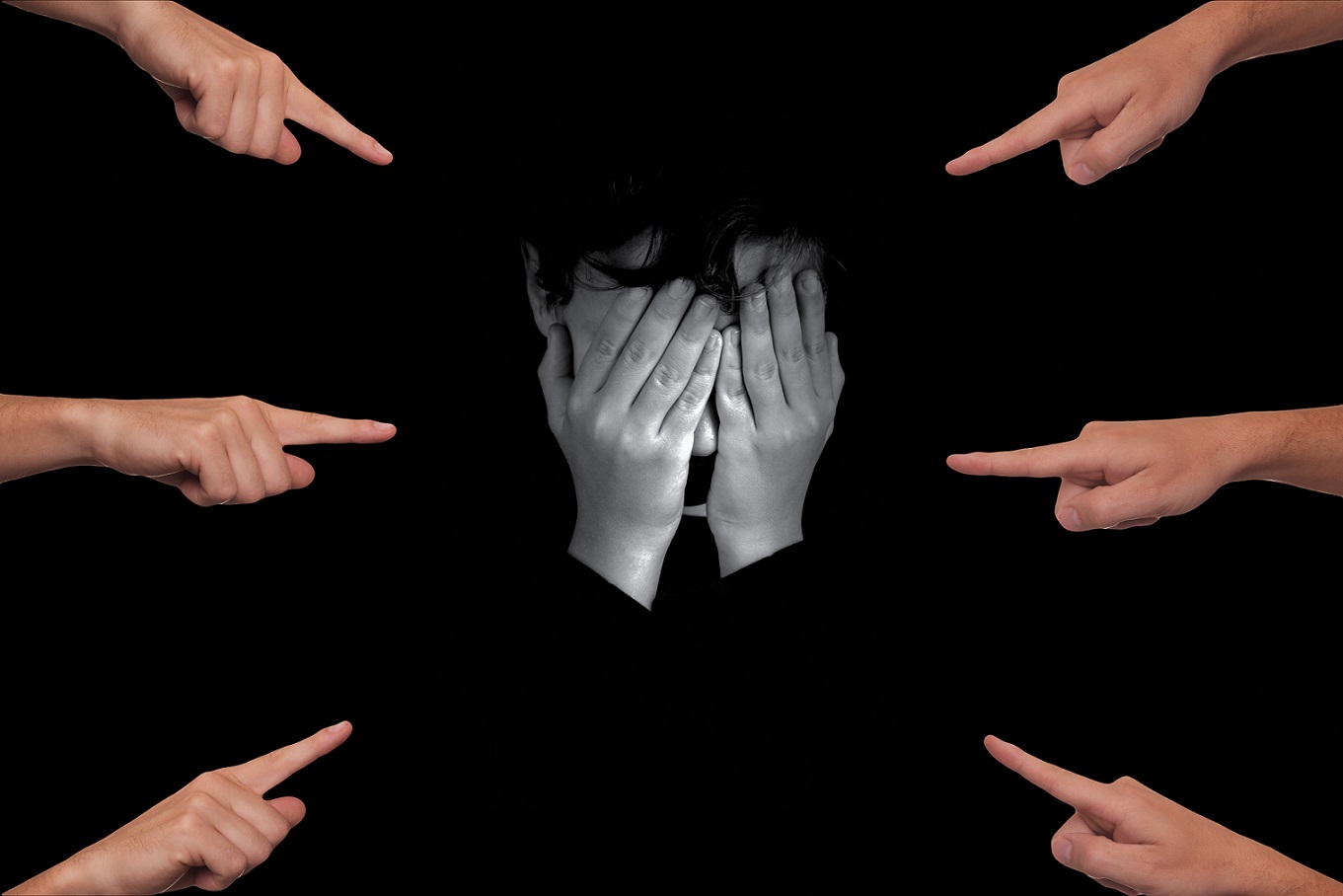 The disavowal that irrationally allows the situation to grow worse points to ideology functioning like a fetish.
We know what is wrong but we cling to our jouissance to avoid confronting and doing something about it. Sorting our household rubbish with diligence and good intentions is not enough. As Žižek, one of the book’s editors, puts it: ideology is less a conspiracy of lies invented by the ruling class and more ‘stories invented by subjects to deceive themselves’.
The London-based psychoanalyst Darian Leader writes in the book’s preface how we need to ask about our own enjoyment when responding to the political obscenities of Trump and populist leaders across Europe. We find an embodied target for outrage at what neoliberalism involves and, having found it, “we can love to hate, and bind together in our collective enjoyment”.
 The current political malaise reflects the absence of a language of the left and its replacement by crude populism.
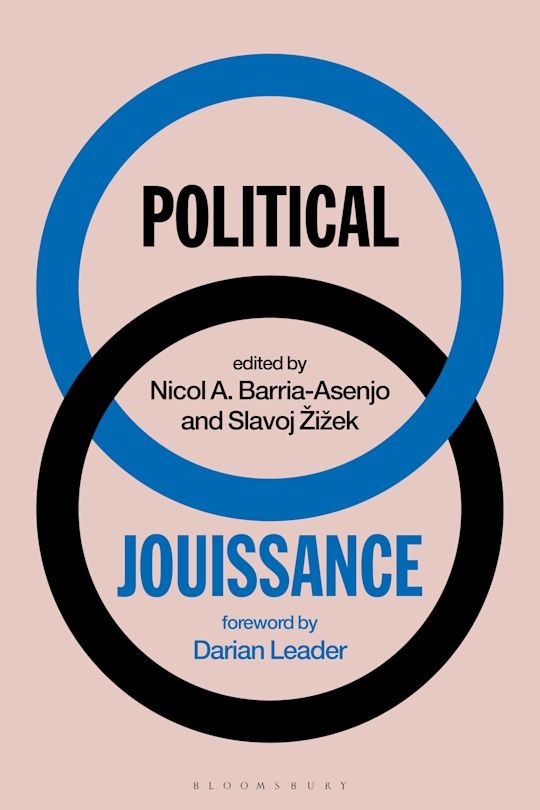
“Political jouissance” edited by Nicol A. Barria-Asenjo and Slavoj Žižek, is published by Bloomsbury Publishing.
(Photos: Pixabay)










.jpg)












