
Fighting fascism effectively requires an understanding of its true nature. Without this clarity, it is difficult to recognise this enemy and successfully subdue it. In a landscape where accusations of fascism are prevalent, distinguishing between valid claims and misuse of the term is crucial.
Yonatan Mosquera
Does a government led by an individual with fascist beliefs qualify as a fascist regime? Are governments simply reflections of the ideologies of those in power?
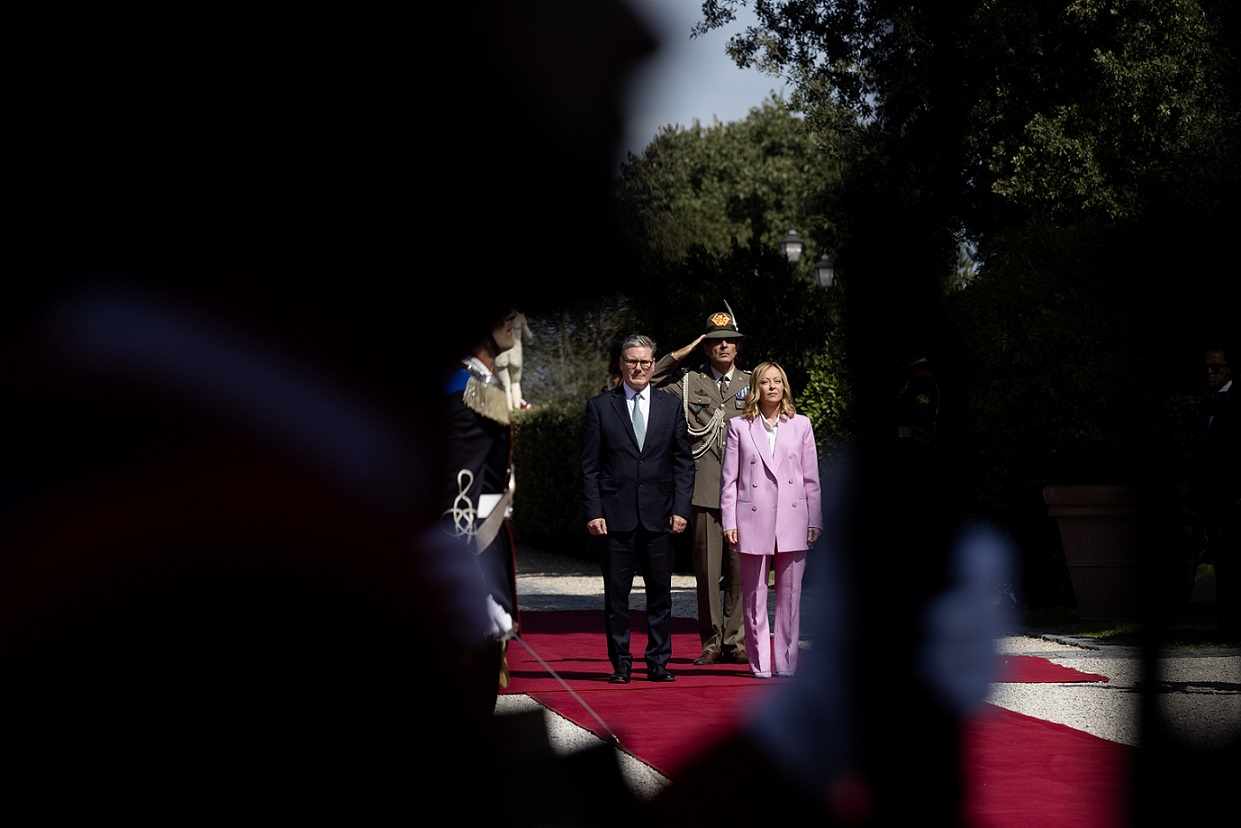
Giorgia Meloni became Italy’s first female Prime Minister after the October 2022 elections, with her party, Fratelli d’Italia (FdI), leading Parliament.
Her victory raised concerns that fascism might be returning to Italy, sparking fears of similar developments across Europe. Accusing the current Italian government of being a “fascist regime” is often based on the reactionary positions of the Prime Minister and her cabinet, including immigration crackdowns, anti-LGBTQ+ policies, abortion restrictions, harsher penalties for vandalism, opposition to the EU’s climate regulations, and a focus on “Italian identity.”
However, “objective” critics do not sufficiently explain why these actions equate to a return to fascism. Is any European government truly free from similar measures? If we claim that every government from Lisbon to Moscow is a fascist regime, it implies that fascism has already overtaken Europe, rendering resistance futile.
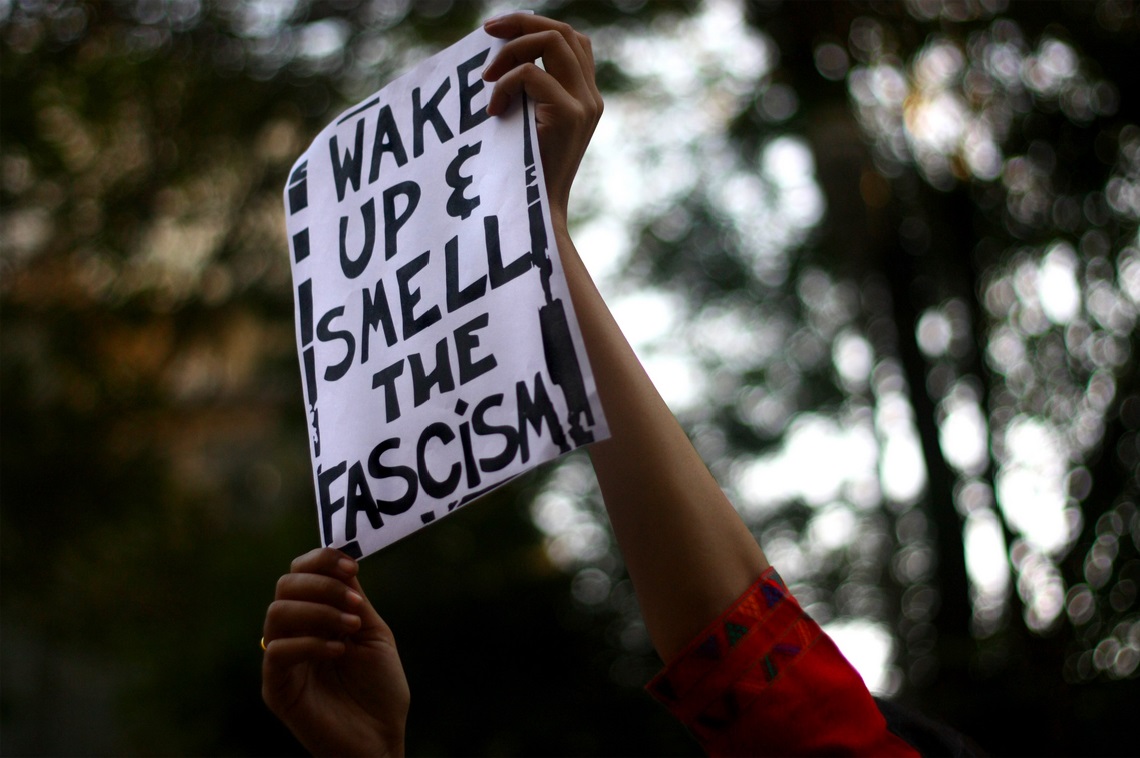
In this context, opposing “fascism” essentially leads to supporting “lesser evil” candidates and bourgeois parties, pushing working-class organizations to become subordinate to these priorities. This dependence on discredited parties and ideologies will alienate many disillusioned workers from the working class’s established organizations, which is precisely how the fascists manage to recruit the masses to their infamous cause.
The oppressed population is looking for genuine alternatives to escape the deepening social crisis.
The subjective case
Some individuals, taking a more subjective approach, label the Italian government as fascist due to Meloni’s personal history of involvement in neo-fascist organisations, such as the Movimento Sociale Italiano (MSI).
They point to Meloni’s public admiration for Mussolini, her wearing of a flame logo that resembles the fascist emblem, and rumours that posters of Mussolini were found in her wardrobe and bedroom.
Some proponents of the argument that “the Meloni government is fascist” tend to believe, perhaps idealistically, that the government merely reflects the personal traits of its leaders.
By that logic, one could argue that if a person with posters of Lenin in their bedroom, a history of belonging to various far-left parties, and a tendency to wear Che Guevara t-shirts were elected as Prime Minister, it would automatically indicate that the state had transformed into a “communist state.”
Eventually, these individuals align themselves with the ‘objective’ accusers and end up in the same dead end of bourgeois electoralism, expecting the workers to be satisfied as subordinates of the banking and landed elite. Meanwhile, they hope to ‘stop fascism’ by ‘electing the lesser evil’
Meloni, a most useless “fascist.”
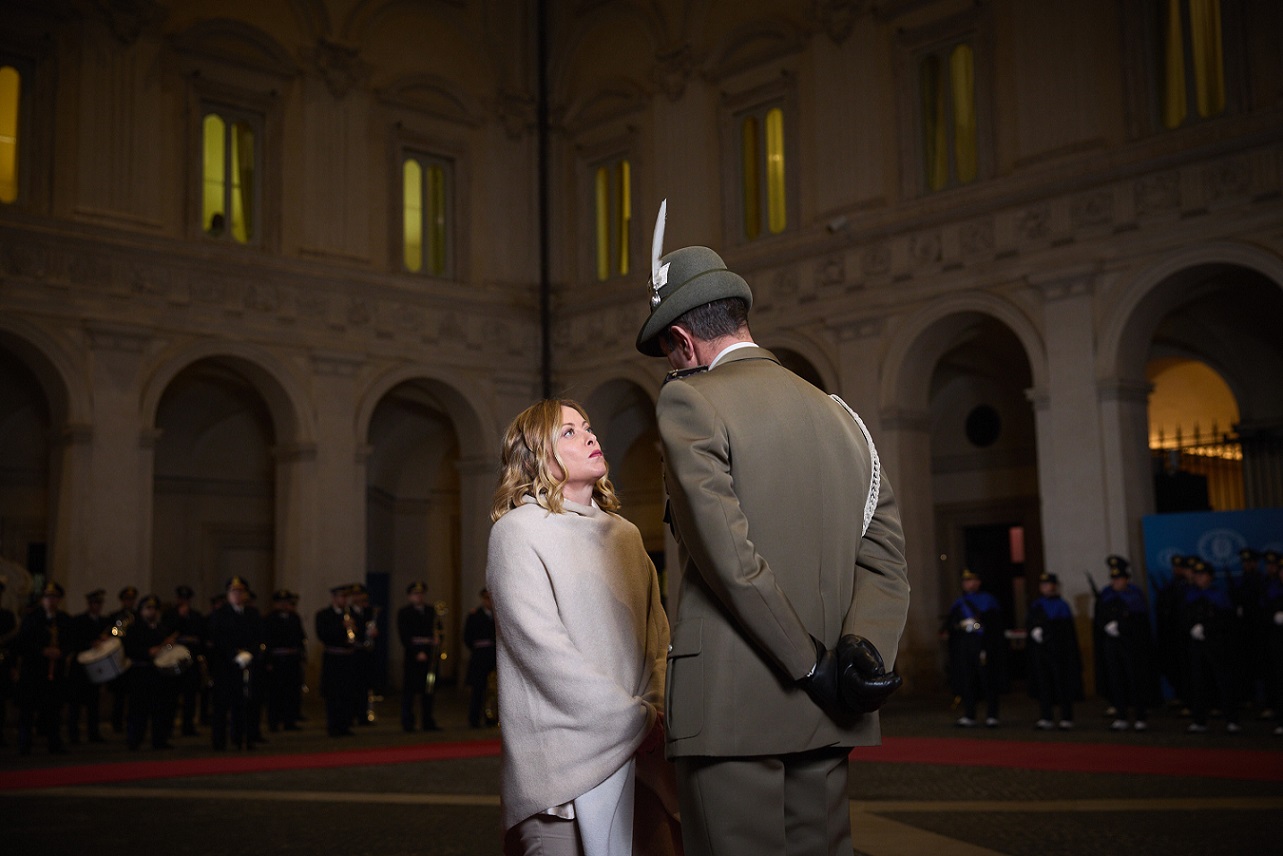
For all her praise of Mussolini, the use of fascistic logos, and the alleged and unconfirmed tattoo of Mussolini’s face on her thigh, the Meloni government has failed to comply with the goals of a fascist regime: the annihilation of the working class as a political entity.
Almost 3 years of “fascist government” in Italy have failed to disband a single political party, have been unable to close down a single trade union or shut down a single working-class newspaper.
This ‘fascist dictatorship’ has even been unable to ban massive anti-government demonstrations led by the General Council of Labour (GCL) and others protesting austerity measures and demanding improvement in healthcare access , education and job security.
This ‘fascist regime’ has not been able to stop the yearly “No Meloni Day” protests or the trade union general strike of November 2024, led by the Italian Labour union (UIL). Workers in Rome were able to mobilise in mass even during December 2024’s “March against the Security Bill” against Meloni’s anti-democratic proposals. The working class in Italy remains as much involved in politics under the “fascist Meloni” government as at any time since World War Two. Labelling Meloni’s government as “fascist” has only caused widespread confusion and has been convenient for those who suggest that the working class should become a compliant extension of the major bourgeois parties and their institutions. This approach has hindered our understanding of fascism and made us more susceptible to genuine fascist movements when they emerge.










.jpg)












