
Amid growing youth resistance in Iran, schools have emerged as key sites of protest. In response, a new memorandum between the Education Ministry and police allows unrestricted police presence in schools. This marks a troubling shift toward securitizing education, reflecting the regime’s preference for control over reform and its deepening disconnect from younger generations.
Rola Zamzameh*
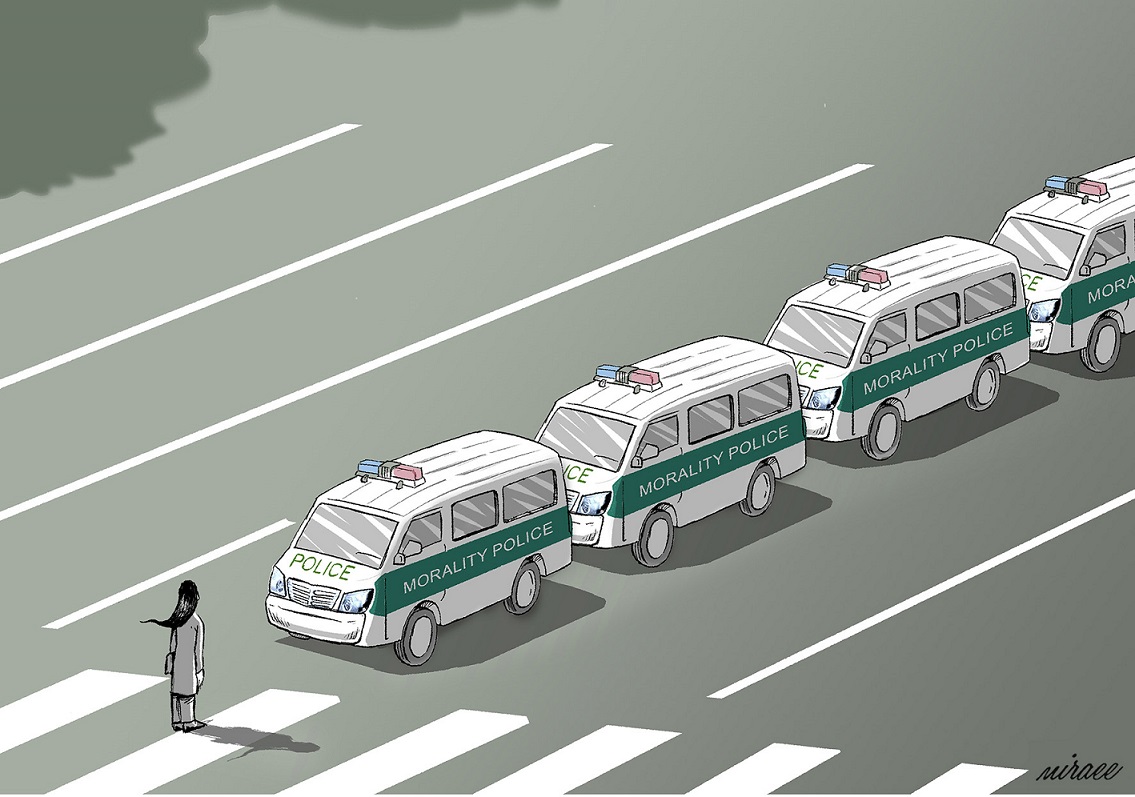
In a country already grappling with a multitude of crises, a new memorandum signed between Iran’s Education Minister and Police Chief Ahmadreza Radan has ignited a storm of controversy. This agreement allows the police to freely enter schools without any legal restrictions — a development viewed by many as an alarming shift toward overt securitization of education.
Yet, this move is not isolated. It is directly connected to the broader context of the “Women, Life, Freedom” movement, sparked by the death of Mahsa Amini in police custody. In the months that followed, schools — particularly girls’ schools — became active centres of protest. Young girls removed their headscarves, chanted anti-regime slogans, and even defaced portraits of Islamic Republic leaders. These acts sent shockwaves through a regime long reliant on schools to instill ideological conformity.
The Iranian state was not prepared for this resistance from within what it believed to be its most controlled environment. Students — many underage — had become political actors. The regime’s response was not introspection but intensified repression. One of the most disturbing tactics involved a wave of mysterious gas attacks on girls’ schools across multiple cities.
 Hundreds of students were hospitalized in what appeared to be coordinated acts of mass poisoning. The regime never accepted responsibility, and no arrests were made. To many, these incidents represented a gruesome form of state revenge against defiant youth.
The new memorandum with the police is a formalization of that same logic: fear must replace thought. Instead of rethinking its policies, the regime has chosen to double down. By placing armed forces in schools, it is turning places of learning into zones of surveillance.
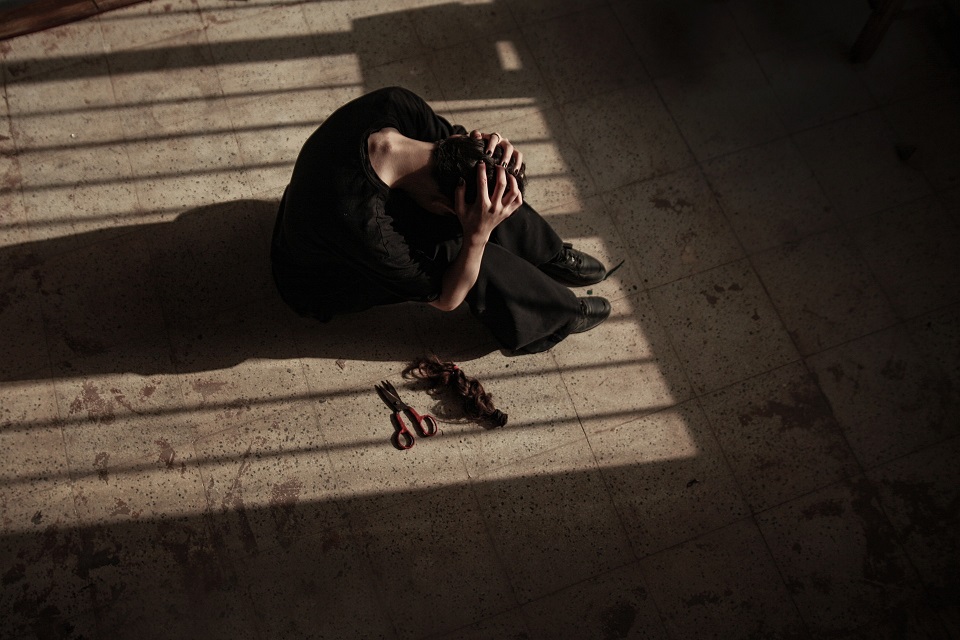
Psychologically, the damage is enormous. Schoolchildren who are supposed to feel protected are now treated as suspects. The constant presence of police generates fear, anxiety, and distrust. Girls, who already face gender-based discrimination, are likely to suffer most under this new order.
From a political sociology perspective, the memorandum is not a show of strength but an admission of failure. After nearly five decades of attempting to cultivate loyal citizens through Islamic education, the regime finds itself policing its own classrooms. This signals the collapse of its ideological project. Instead of breeding obedience, the system has produced a generation eager to question and resist.
 What’s more, the agreement undermines the very concept of education. The purpose of school is to foster critical thinking, creativity, and civic responsibility. Militarizing this space corrupts those values. It signals to students that the state is not their protector but their monitor.
Legally and ethically, the policy is in clear violation of international conventions on children’s rights and education. The presence of police in schools without parental or judicial oversight breaches basic principles of child welfare and institutional accountability.
The violation of a child’s right to education in a safe and intimidation-free environment is evident in this case. According to Articles 28 and 29 of the Convention on the Rights of the Child, “every child has the right to receive an education in a secure environment, free from violence and intimidation“.
Is the presence of police—especially given their history of violence in streets and schools—not a form of psychological threat and a violation of a safe educational space? Children’s consent and opinions regarding decisions about their schools have been ignored. This memorandum contradicts the principle of child participation as stated in Article 12 of the Convention, which affirms: “The child has the right to express their views freely in all matters affecting them.”
 It is also shortsighted.
By choosing coercion over reform, the Iranian regime is alienating its youth.
The children of today will remember these experiences. Many will grow up with a deep-seated resentment of authority — a sentiment that may be expressed in future forms of protest that are even more sophisticated and widespread.
In sum, the police-education memorandum is a snapshot of a regime in crisis. It reveals a government so disconnected from its people — and particularly its youth — that it prefers control over trust, and intimidation over dialogue. But history has shown that no society can thrive when it polices its classrooms instead of empowering them.
*Rola Zamzameh: Senior journalist at the European Commission and Parliament.
(Photos: Pixabay)










.jpg)












