
Everyone likes a story, we need them, but in the last twenty years or more story-telling at an international level has become the territory of the political right: “…pieces of information, statistics, slogans, fears, reflexes”, writes Yves Citton, have shaped many people’s imaginations and there is a pressing need to rescript them.
 Sean Sheehan
He quotes Sun Ra about myths in our dreams that allow us access to “what we never came to be that we should be”.
Mythocracy, the current rule of illiberal fictions, is a form of micro-power that distributes our attention time and creates affects: emotions that channel thoughts that we think are our own but which come from outside. There is a diet of daily news stories about street crimes, drug dealing, immigrants and asylum seekers that is fed to our screens, producing anxieties and reassuringly innocuous images of police activity (never their brutality). The effect of such a discourse forges worries about personal security and nurtures conservative ideas.
Citton looks at the power of narratives and how they work. He shows how, by being led to think ideologies are at an end, we remain blind to the frames through which we ‘read’ reality. There is no shortage of writers and filmmakers producing emancipatory stories but the political traction that ought to arise from them is not happening.
We are trapped by the notion, pedalled out in the news like the dictates of totalitarian rulers on giant screen in films about the future, that growth and productivity is the measure of everything. Gross domestic product (GDP) is a fetish that centre-left parties have embraced with the fervour of Stalin’s five-year plans, ignoring poverty wages and overindulgence in energy resources.
 So-called ‘left-wing’ politics “needs to shake off the whole pro-work imaginary”, writes Citton, and recognise the wealth created outside GDP statistics – looking after the elderly or ill, helping an alyssum seeker – and demand a guaranteed income that is not coupled with wages. Using italics to emphasise his point again: “the one thing that ought to define ‘the left’ is the impulse to denounce the radical insufficiency of managing the given.”
Citton excels at explaining what is wrong with the narratives of today and why ne w stories and myths are badly needed. How this is to be achieved is more difficult but the need is plain. Kapsar Hauser’s death-bed story in Werner Herzog’s enthralling “The enigma of Kaspar Hauser” is not referenced in his book but it points in the direction that Citton wants us to take.
 Kaspar’s story is about a caravan of Berbers in the Sahara who, disbelieving their compasses, think they have lost their way. A mountain lies ahead of them but their blind leader tells them the mountains exist only in their imagination and to follow his way northwards to the city. They do so and arrive there. ‘This is where the story begins’ says Kaspar.
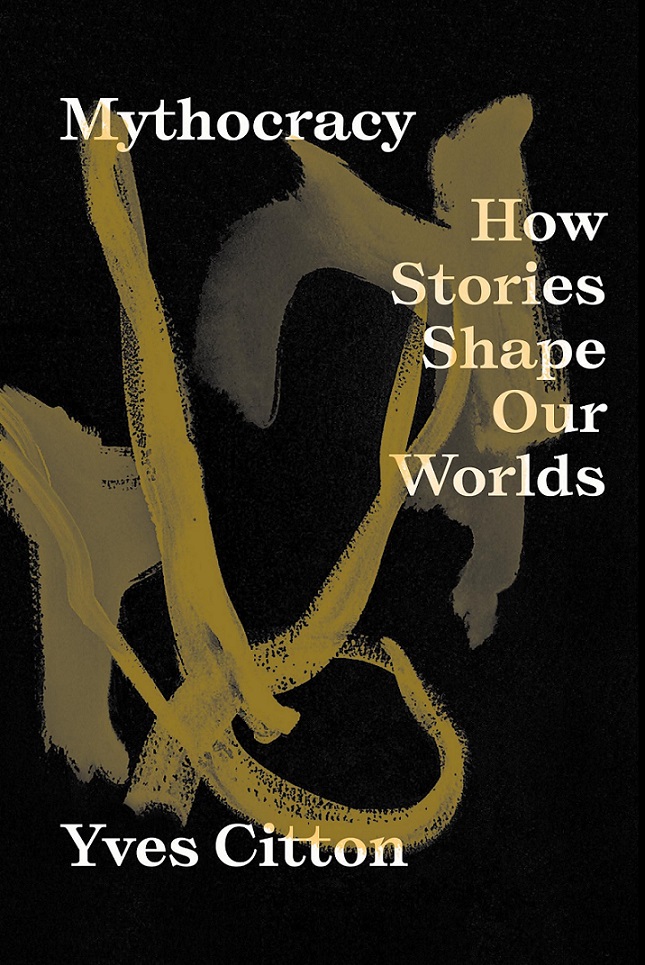
“Mythocracy: How stories shape our worlds”, by Yves Citton, translated by David Broder, is published by Verso.
(Photos: Pixabay)










.jpg)












