
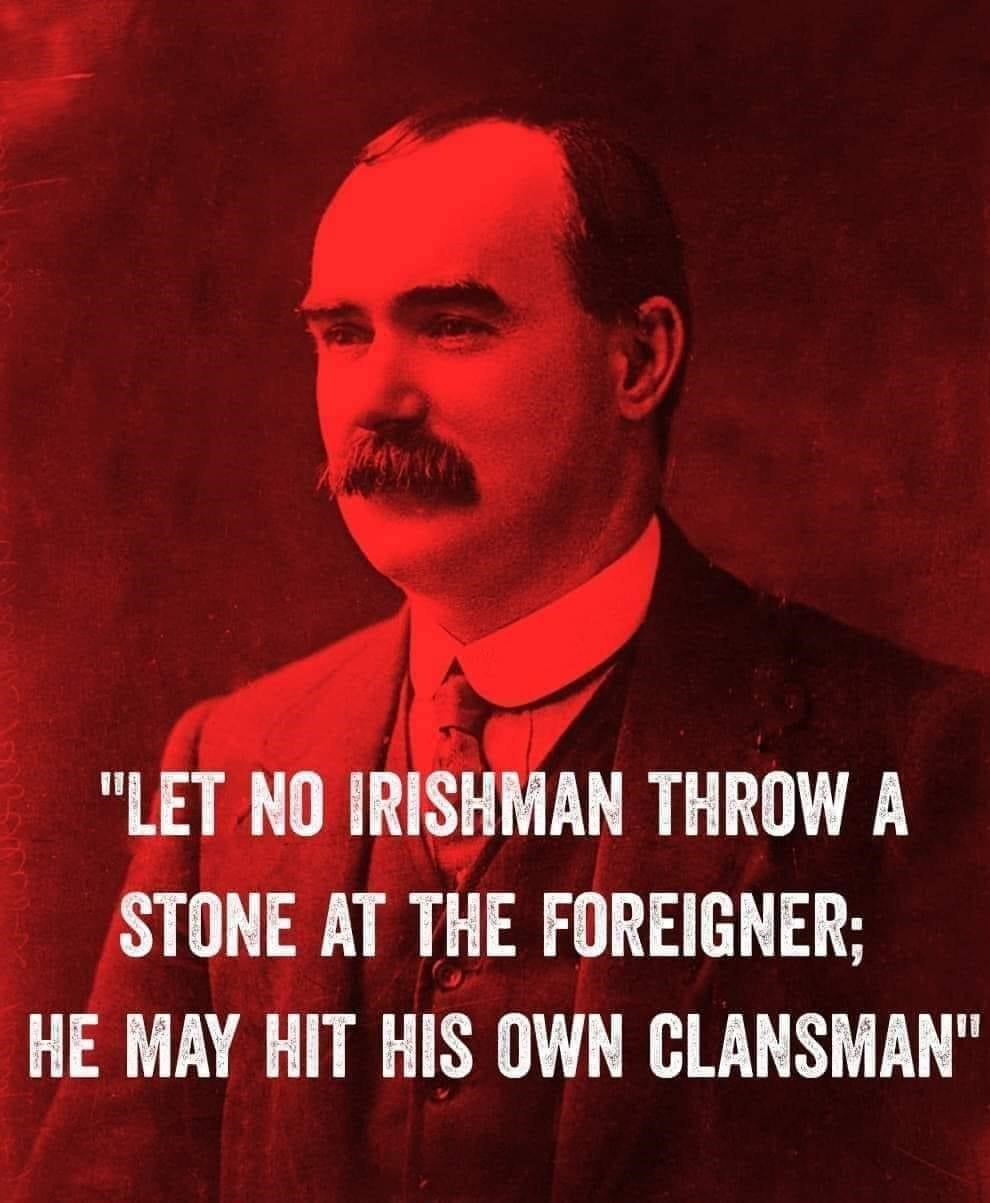
Is Ireland really on the verge of losing its true identity? James Connolly was born in Scotland to Irish immigrants, going on to help lead Ireland’s 1916 Easter Rising. Understanding such national heroes and history is more important than ever in saving Ireland’s tradition of sharing a warm hearth with newcomers.
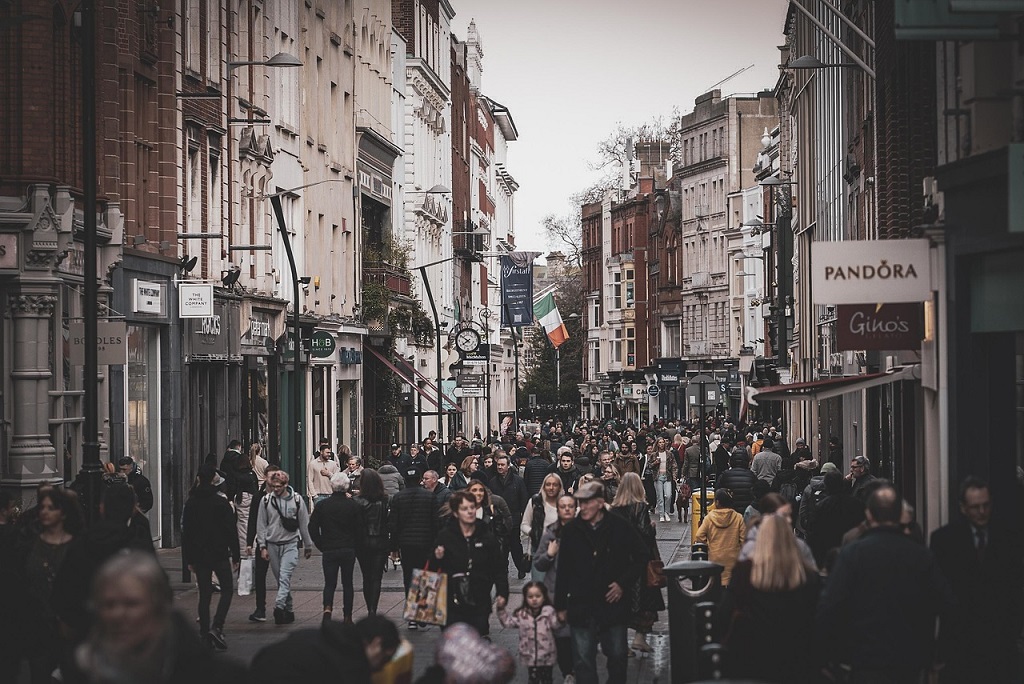 Seán Ó’Cuinn
Hospitality is inseparable from Ireland’s people and culture. You don’t refuse kindness to others. In ancient Celtic mythology, geasa (pronounced /GEH-shah/) was an important narrative element, and breaking these personal or societal taboos had supernatural consequences.
Breaking hospitality was one such geas, with many a hero meeting their doom on violating this norm. Despite our occasional gruff nature, Ireland is warm and welcoming, and moreover, our tourist industry depends on this image of Ireland of the Welcomes. So why break that hospitality whenever people come for a better life to a European country which until only about 35 years ago, suffered itself from chronic unemployment and emigration, not to mention armed conflict in the north?
Ireland is also inseparable from our history of forced migration and imperial subjugation, uniquely for a western Europe nation. In the last three decades though, it has become incredibly wealthy, with living standards rising considerably, creating a huge decline in emigration levels with youth often opting to stay put.
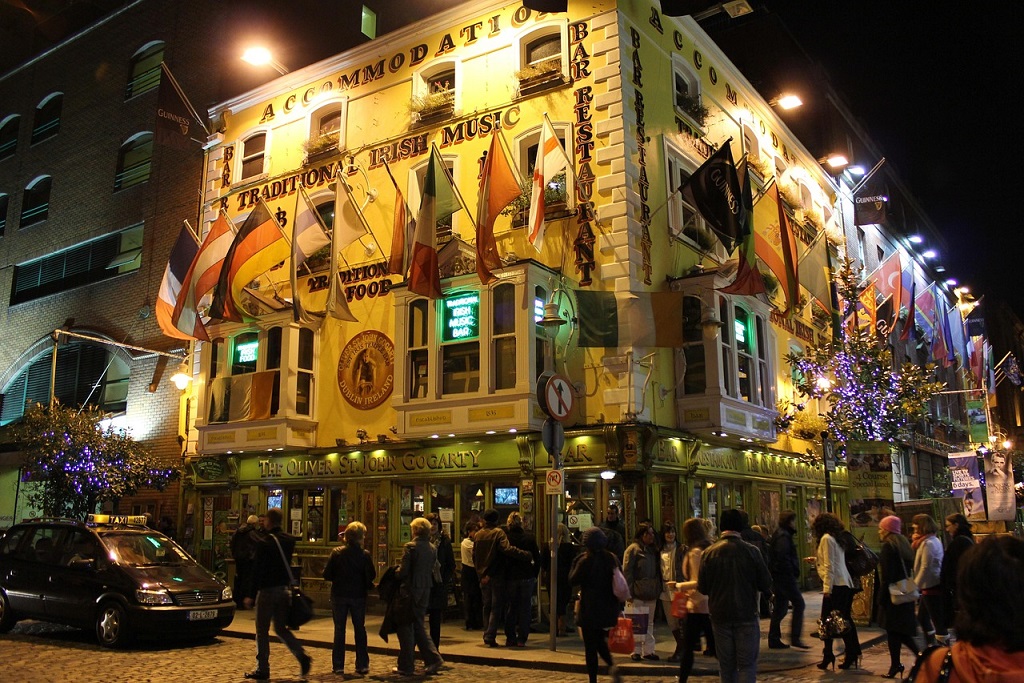 That is not to say that there are no problems. The Republic has wealth inequality, skyrocketing living prices with a related housing crisis and a tired feeling that establishment parties are simply passing governmental power from one to the other to keep alternatives out. Ireland has also had the historical problem of depopulation, with rural areas ravaged by economic flight and no recovery.
We tend to look back on the Irish emigration experience through whiskey-tinted glasses. We see ourselves as hard-working and useful, and always welcomed with open arms in new lands. Often we weren’t, and those in Ireland now creating hyperbole over recent immigration would do well to remember, or even understand it. Irish immigrants were often treated with contempt by established populations, and at times they themselves fell into crime. A famous tale of mass arrival was when Toronto received 38,000+ Irish refugees during one summer in the 1840s, leading to collapsing services and chaos, friction, yet eventual integration.
A few in these Irish communities eventually kicked the ladder from under themselves on co-option into so-called ‘white’ populations by turning on other minorities. “How the Irish became white”, by Noel Ignatiev, is an excellent critique of this.
 Bernadette Devlin, the great Irish nationalist civil rights leader, witnessed it while on a US speaking tour in the 1970s, decrying it before gifting the keys of New York, which had been presented to her, to Huey Newton of the Black Panthers in an act of solidarity, protest and education.
So how and why, and under what circumstances did the Irish arrive on far-flung shores?
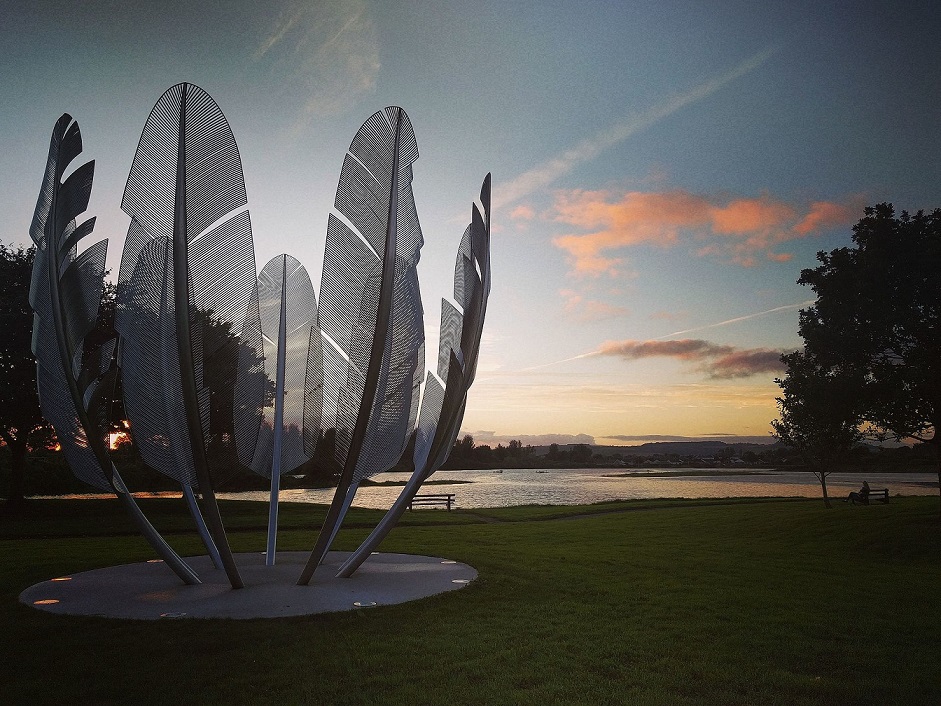
1847 is considered the worst of the Great Famine of 1845-51, a catastrophic potato blight during which British authorities continued to export maize and other crops, with the impoverished Gaelic Irish left with diseased potatoes. The government didn’t do much, providing paltry support and blocking Irish ports from the arrival of substantial aid from the Ottoman Empire. On Sultan Abdulmejid’s orders, Turkish sailors secretly docked five grain ships after Queen Victoria asked him to reduce his donation of £10,000, hers only being £1,000. At the same time, North America’s Choctaw Indians, during their own Trail of Tears, donated $5,000 to the aid effort, now commemorated by the Kindred Spirits monument in Cork. Meanwhile, Victoria is commemorated in Ireland by her nickname, the Famine Queen.
Ireland’s pre-famine population was about 8.2 million. The death of millions and subsequent emigration, and death of many from disease on the so-called ‘coffin ships’ taking them away, depleted the population, with Ireland currently having 7 million inhabitants north and south.
 The right’s rise
Currently, racist ideology seems to be getting a free platform from many influential quarters in the global village, with several extremely unpleasant events unfolding in the past few years across Ireland.
A riot in Dublin in 2023 followed misinformation surrounding a murder attempt at a school which was foiled by local Irish and two foreign nationals.
Some celebrity types have misused their platforms to stoke the fire and help spread such misinformation, and recent claims by some that the country is at the point of losing its Irishness is circulating.
Even some establishment types have occasionally been caught out engaging in bigoted language, although the Irish government participates internationally in refugee resettlement. A few far-right ethnonationalist types have now been elected to local authorities, and in the north of Ireland, some mainstream parties have engaged in anti-immigrant rhetoric. The bizarre sight of Irish-flag wavers heading up from the south to protests in Belfast to stand alongside Ulster loyalists with Union Flags at anti-immigrant protests has many bemused and amused, but angered.
The racists misunderstand what it is we would actually lose; a fundamental part of Irish life would indeed be lost to history if the country becomes unwelcome to new people. What Ireland must confront is that it now has a notable far right element and the unpleasant attitudes that it promotes.
What can be done?
The handling of refugee centres has been controversial, with the Republic’s government installing refugee groups in unused hotels, often in small villages.
This would seem to be more an issue of planning, with inappropriate accommodation and resources for traumatised victims of war. Ireland has historically suffered from depopulation, and rural communities have often been destroyed by emigration, so might opposition to immigration be missing a trick? Might the young ones resurrect derelict schools and their parents resuscitate the rural economy?
Remember, planning might be an issue, not people or population. All is not lost and there does exist a lot of solidarity with newcomers.
The book of invasions
“The book of invasions” tale, from our mythology, spoke of Ireland’s original settlement by several waves of people from other lands. Historical waves of new people have continued to add to our culture. The Vikings founded the first cathedrals and cities like Dublin and Waterford, many Franco-English Normans Gaelicised, becoming ‘more Irish than the Irish themselves’, and northern Protestants, who generally retain loyalty to Britain, have nevertheless had crucial contributors to the birth of Irish Republicanism, workers struggles and literature.
Culture isn’t something static; it moves and grows, it integrates the new while maintaining the old, and depends on the good will of Mother Earth not wiping it and its wisdom and experience out with some natural disaster.
 As Irish, we must understand culture as fluid while remembering our own history and understanding what many of the great Irish nationalist leaders said of relations with foreigners. James Connolly was a staunch trade unionist, socialist and internationalist. His rebellion co-leader, the half-English Pádraig Pearse, is also misrepresented. Known as a cultural nationalist, Pearse firmly stated in 1913 that Ireland, with a then-population of about 4 million, was capable of supporting tens of millions, so it was definitely not full and wouldn’t be for a very long time, if ever. Ireland really could solve its problems through solidarity between the old and the new, while understanding its own history. We could also kick out the old political order which has been impotent on social housing or spending taxes on things like building a health service worthy of purpose, without falsely accusing innocents of bankrupting what is a rich country.
Ireland really could be great, as it always was, through welcoming and embracing the new Irish to help with the issues of the day.
(Photos: Pixabay)
An Irish gentleman’s comments on immigration in 1962 Ireland, courtesy of the RTE series Reeling in the Years, as shared by Migrant Rights Centre Ireland.










.jpg)













