
Summer is the best time for identifying the trees and flowers making their presence felt around you and there are two new and outstanding guides to help make the task easier. When despair threatens to engulf the spirit, the beauty and value of the natural world becomes more precious than ever.
 Sean Sheehan
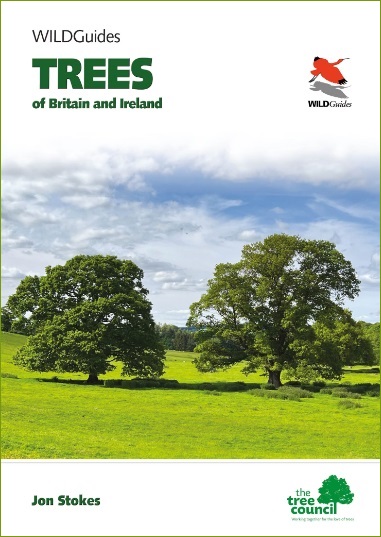
“Trees of Britain and Ireland”, part of the invaluable Wild Guide series, has 3,000 photos and illustrations in colour of all the trees you are most likely to come across.
Distribution maps, seasonal charts and precise identification keys make it possible to confidently classify the trees that, for whatever reasons, have attract your attention.
Having identified a tree, the author provides you with information about the habitat and ecology of the species.
The London Plane, Platanus Xhispanica, is often planted in urban areas (not just London) due to its resistance to pollution and to be sure you have identified it correctly, even in winter when its leaves have been shed, there are photos of its bark and twigs. In summer, its distinctive size and leaves make it unmistakable and there are photos of these, as well as four illustrations depicting aspects of its flowers. Trees that bear cones, conifers, are boring to look at in commercial plantations but seeing them in the wild is another matter.
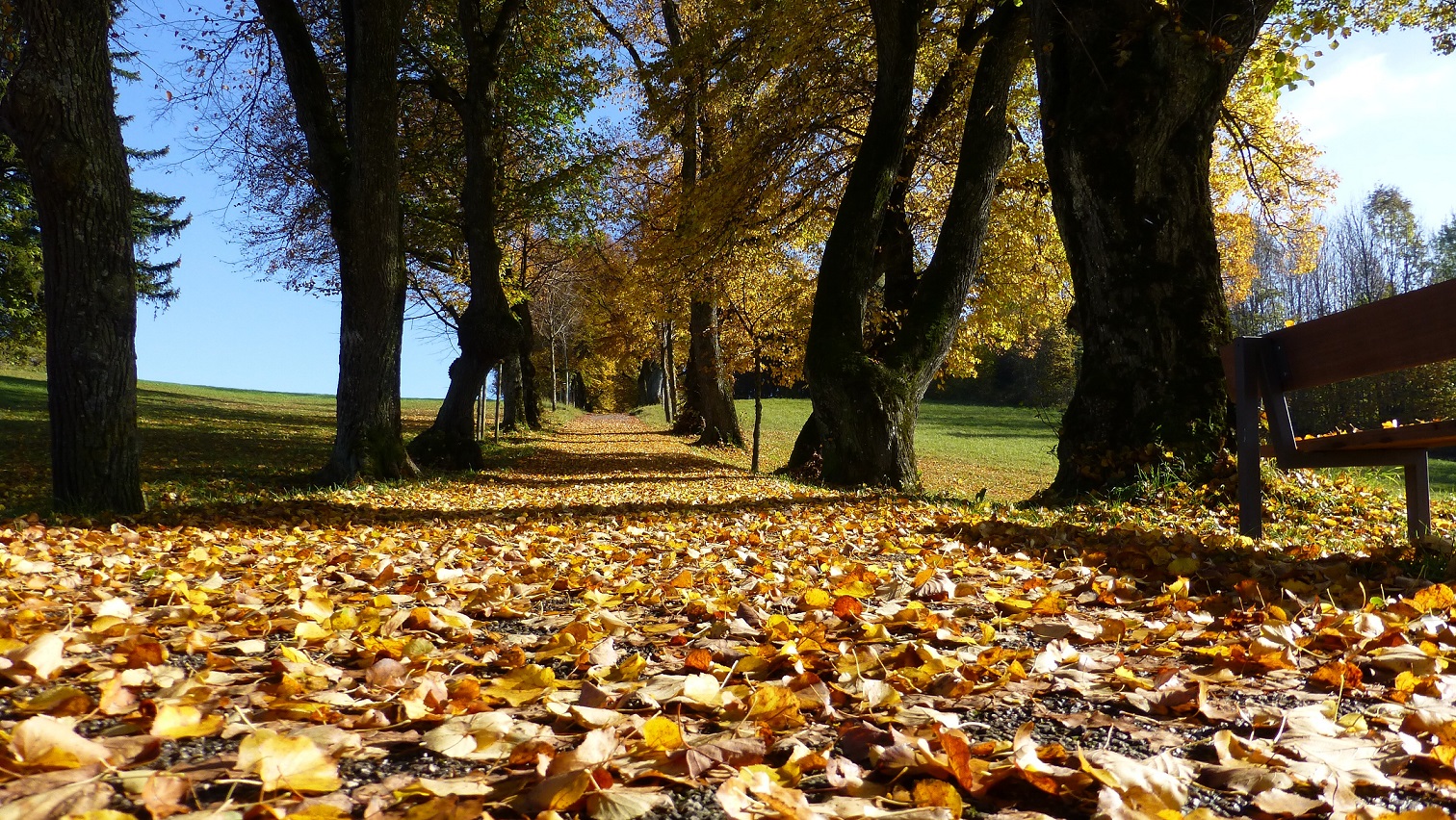 This guide shows and describes them all and the photos of their different shapes and sizes help enormously in identifying them.
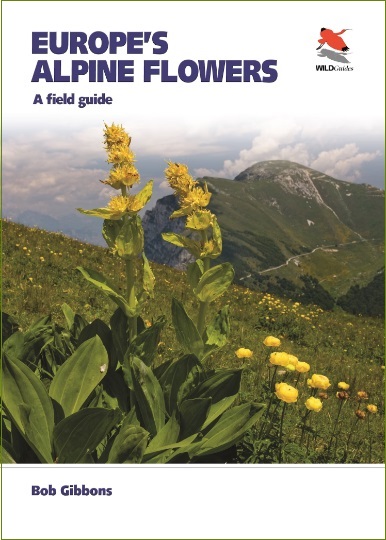
“Europe’s Alpine flowers” covers plants most likely to be seen above 1,000 metres, in land north of a line that runs from the Pyrenees to southern Romania, so that includes Britain and Ireland.
If it were to also cover southern Italy, Spain and Greece (with closer kinship to the flora of Africa or Asia) it would be too unwieldy a book to carry around. With almost 1,800 species of Alpine flowers, it is astonishing that the author, Bob Gibbons (1994-2024) was able to photograph nearly all of them for this field guide.
 Flower entries prefixed with SS (similar species) highlight key differences between the species. Other keys indicate habitat altitude, distribution and flowering months.
Sheep’s bit (Jasione Montana), also known as sheep’s bit scabious, grows at the back of where I live in Ireland and it is described with absolute precision: “Low hairy annual or biennial, to 50cm [there is a ruler inside the book’s back cover], leafy mainly at the base.
Leaves hairy, narrowly oblong, wavy-edged. Flowers are blue, small, in a dense terminal head surrounded by a cup of triangular-oval bracts, shorter than the flowers” [a bract is described in the book’s glossary].
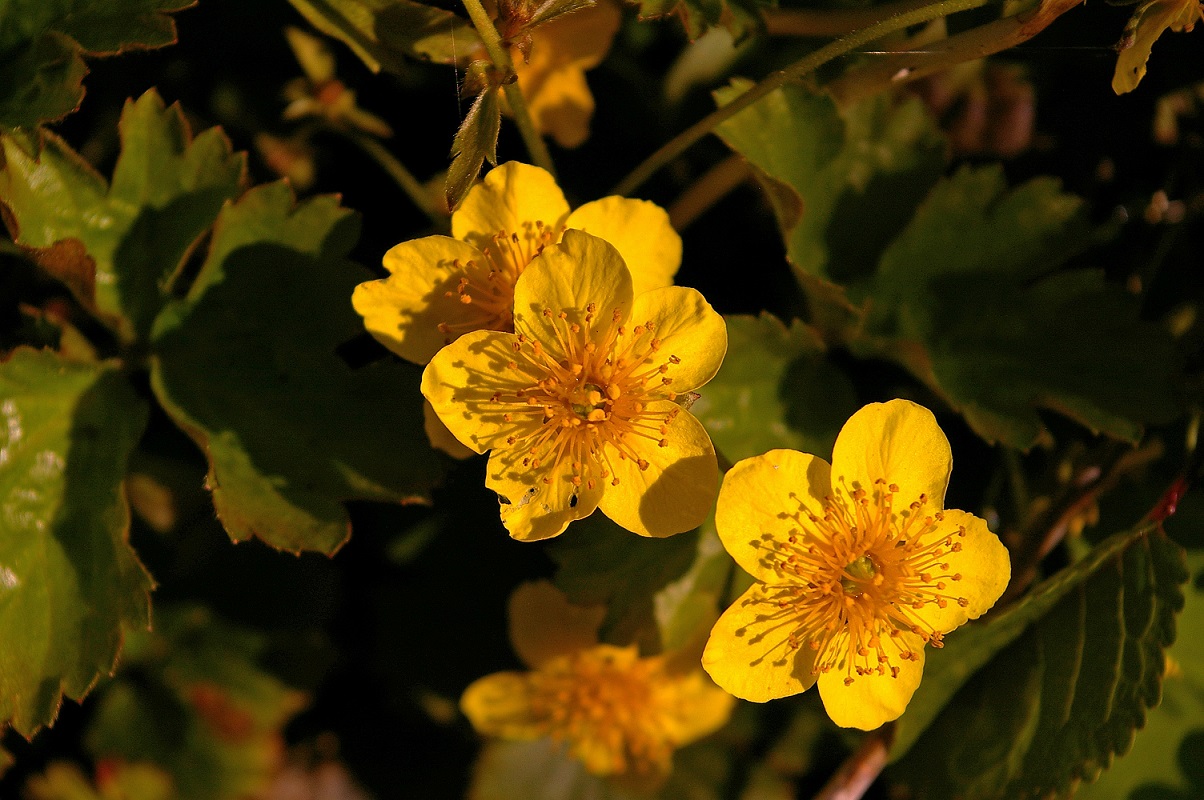
The accompanying photograph, showing all this with clarity, makes identification easy and there is a degree of pleasure in reading and seeing the photo even when the flower is not there to be seen.
 “Trees of Britain and Ireland”, by Jon Stokes, is published by Princeton University Press. “Europe’s Alpine flowers: a field guide”, by Bob Gibbons, is also published by Princeton University Press.
(Photos: PxHere)










.jpg)












