
In a country where justice is often silenced and dissent punished, Nasrin Sotoudeh stands as a defiant voice. This intimate interview unveils her unyielding courage, personal sacrifices, and the quiet heroism of a woman who refuses to be broken. From prison walls to courtroom battles, her story is one of pain, resistance—and enduring hope.
Rola Zamzameh*
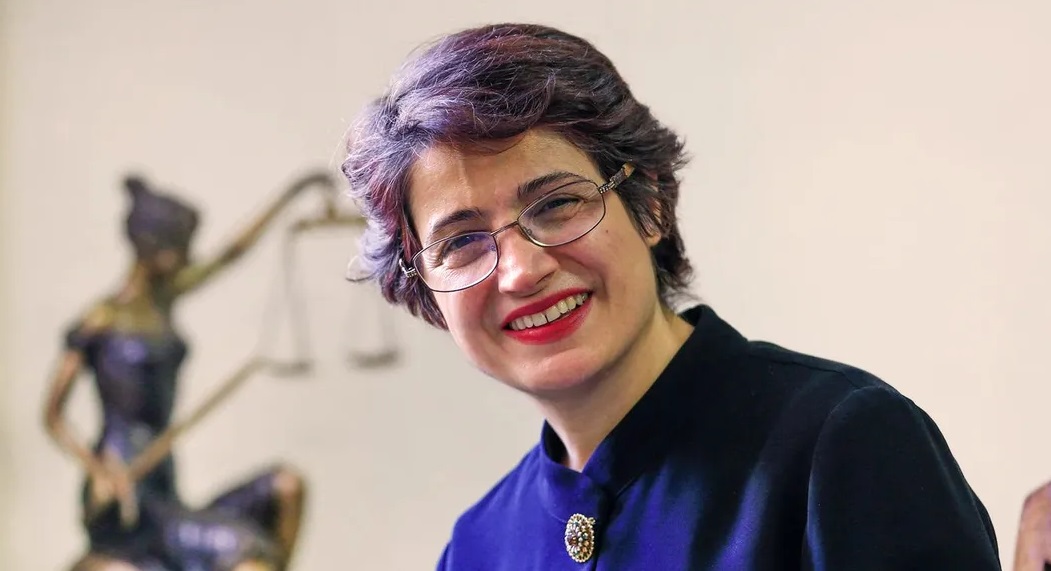
Nasrin Sotoudeh, the human rights lawyer, is one of the faces of civil resistance in Iran—a woman who, for years, has been repeatedly arrested, imprisoned, and internationally acclaimed for her defence of political prisoners, minors sentenced to death, and women’s rights.
She has received numerous international awards, including the European Parliament’s Sakharov Prize, and several honorary doctorates from European universities. While she was speaking about her husband Reza Khandan, she received a phone call from Evin Prison. The familiar recorded message, “This is a call from Evin Prison,” repeated several times. Reza Khandan, who recently managed to speak to Time magazine from inside prison under difficult circumstances, referred to systematic torture, degrading interrogations, and the dire sanitary conditions of political detainees.
What is Reza Khandan’s current legal status, and what irregularities have you seen in how his case was handled?
As of May 19, over five months have passed since Reza’s arrest. Including a previous four-month imprisonment for the same charge—making pins of “I protest compulsory hijab”—he has spent over nine months behind bars.
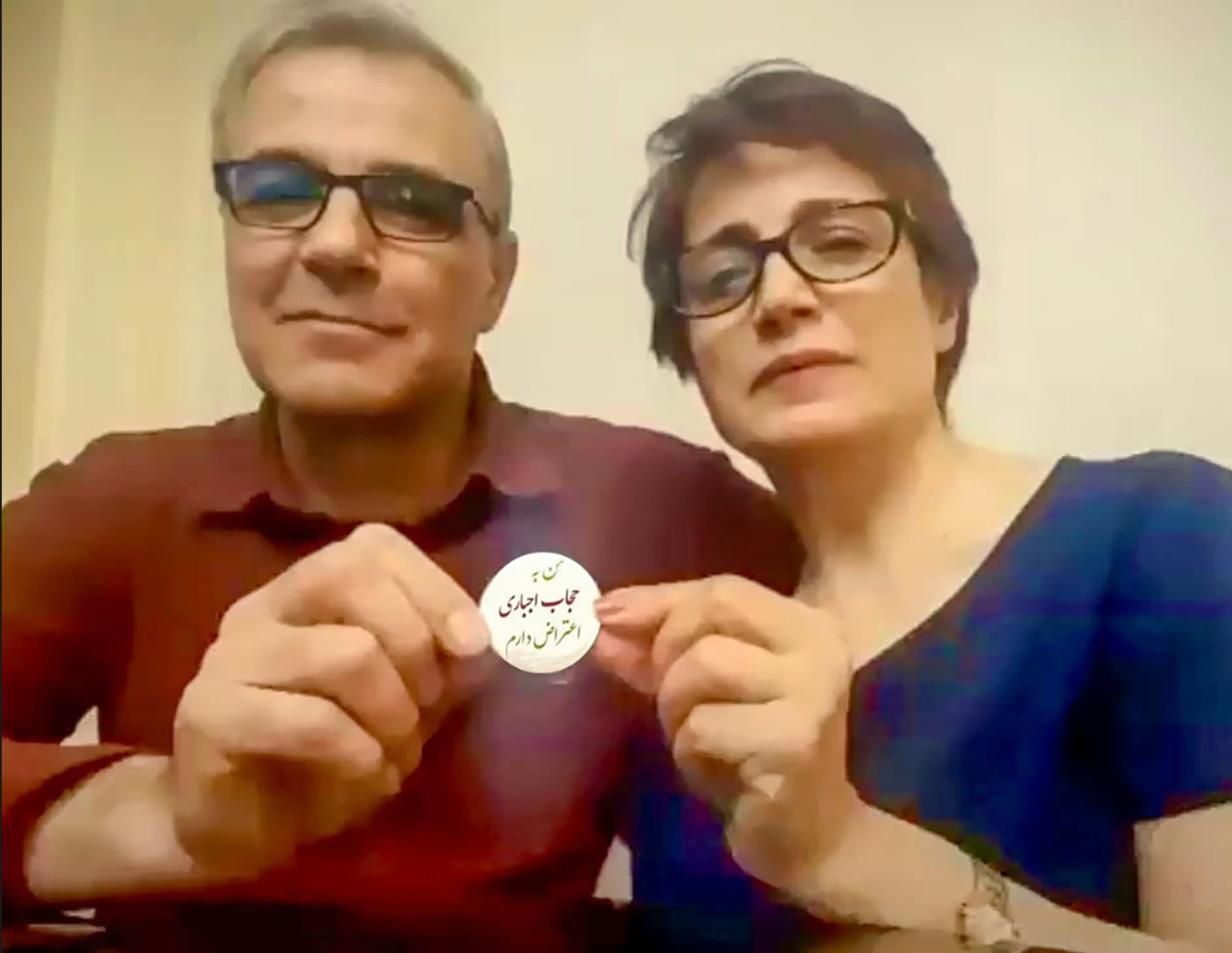
The hijab issue, while symbolised by a piece of cloth, is fundamentally about women’s rights and bodily autonomy within patriarchal systems.
Reza and Farhad made these pins to protest mandatory hijab and were each sentenced to six years, with five years enforceable.
Earlier, Farhad Meysami had served four and a half years for the same charge and was released after the Mahsa Amini uprising. According to documents on the Edalat-e Ali (Ali’s Justice) website, both men were pardoned without requesting it, and their cases were closed. However, Reza was never informed of this, and his lawyers unknowingly filed for a retrial. This led to his sentence being reduced to three and a half years. Despite the case being closed seven years ago and ineligible for retrial, the Revolutionary Court unlawfully reopened and enforced it.
During these past five months, how have you been able to communicate or meet with your husband? Have you faced any restrictions or obstacles in this regard?
Over the past five months, apart from one visit where I managed to enter the visitation hall without the compulsory hijab, I was not allowed to visit again because I refused to wear a hijab. Our only means of communication is the daily phone calls, as you witnessed yourself.
Have your children been able to visit their father during this time? What kind of encounters or pressure have they faced?
At first, even my daughter Mehraveh, who had come from the Netherlands to see her father, was prevented from visiting.
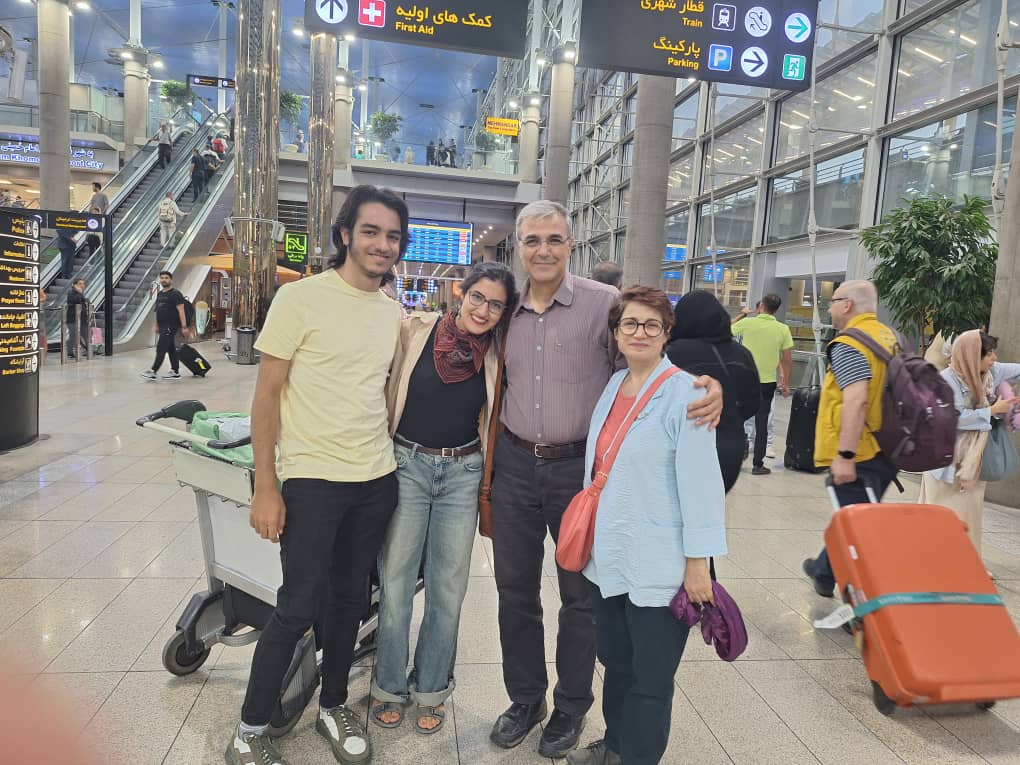
Then, in February last year, during a visit, my son Nima was physically assaulted in a brutal manner that we’re still in shock from.) A week after the interview, someone from the Juvenile Court called, saying Evin Prison had a complaint and Nima had to appear in court!)
When was the last time you were contacted by security agencies, and for what purpose? What was your response?
Three years ago was the last time they contacted me. They introduced themselves as representatives from the Ministry of Intelligence and requested a meeting to talk, which I refused. Later, when they barred my daughter from leaving the country, they contacted me again. I told them: you’ve already built your case and obtained your verdict. I’m currently on legal furlough from prison. If the judiciary requests my return, I will go back to prison—but I will not speak to you. Since then, I’ve had no further contact from them.
Do you believe that joint statement with Sedigheh Vasmaghi against the compulsory hijab, influenced your husband’s arrest?
Yes, our statement opposing the “Hijab and chastity Law” played a major role in Reza’s arrest. Six months ago, right after its publication, security forces raided our home and detained him. This dangerous law demands opposition, as silence has already led to deadly violence against young people.
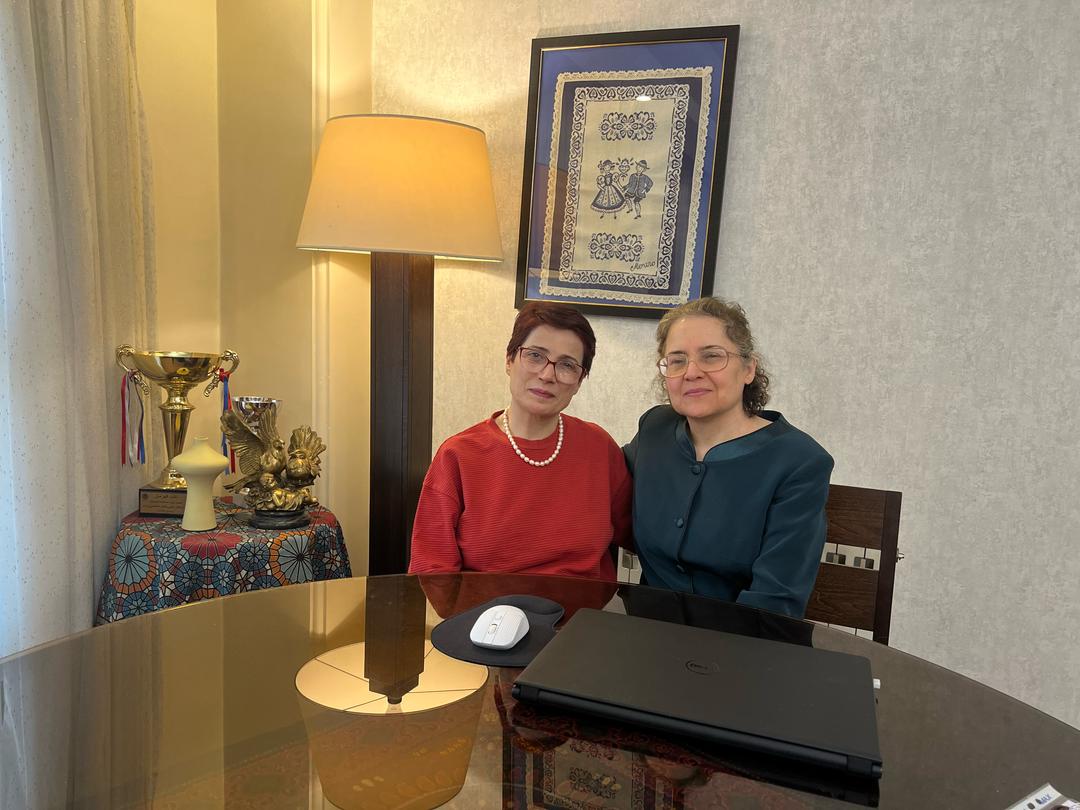
We chose to speak out to prevent history from repeating itself.
Under immense emotional pressures, what made you resist wearing the mandatory chador?
At that time, I was under intense emotional pressure because my children were still very young, and both they and I desperately needed to see each other in those conditions.
I once told the prison deputy, who was very insistent on this issue: “Do you want to teach me morality?”
I continued, “Even if you spill my blood at the prison entrance, I will not wear the chador. You are in no position to teach me ethics because the parents who raised me, if not more moral than you, are certainly not less.”
Throughout your long years of activism, have you ever felt fear or despair?
That’s an important question. Anyone involved in a struggle who claims they’ve never felt fear or despair has likely forgotten those moments—because fear is natural when facing a powerful force. In fact, fear is a sign of awareness. True courage isn’t denying danger, but recognising the risks and still continuing the fight. Courage means managing fear so it doesn’t control us. It requires awareness, patience, and wise decision-making.
Sometimes that means staying silent until the right moment to act. So yes, we experience fear and despair, but we manage them—because we have no other choice.
*Rola Zamzameh:
Senior journalist at the European Commission and Parliament.
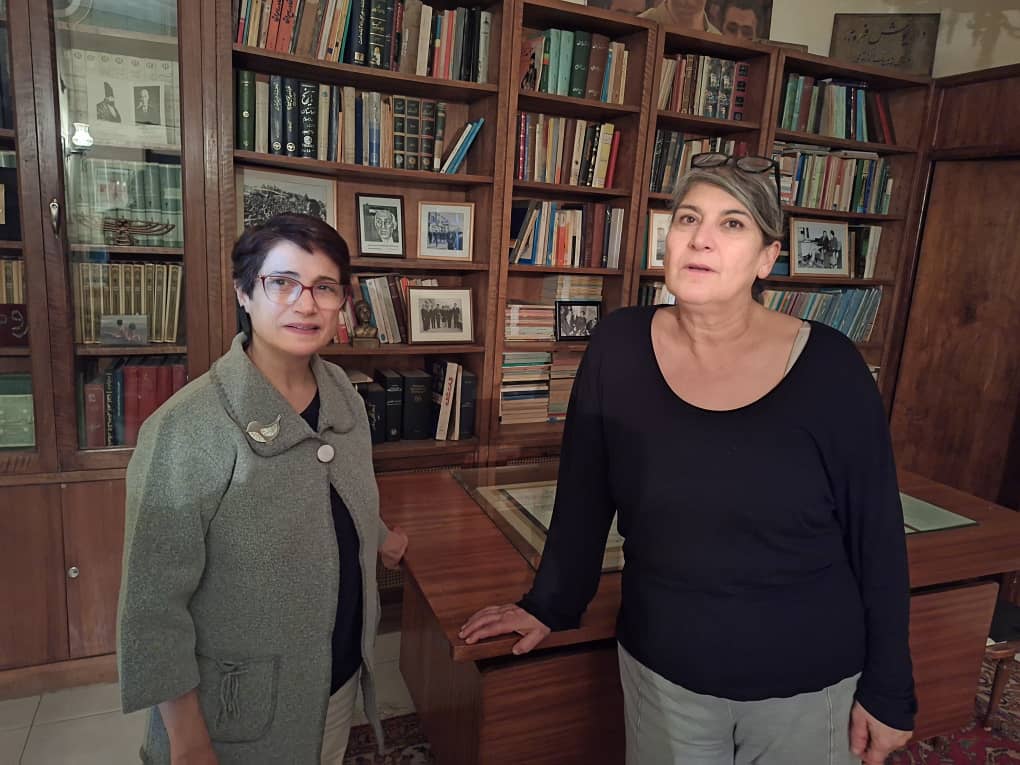
(Photos supplied by the author and authorised for free publication)










.jpg)












