
“The brothers Karamazov” is extraordinary. Mini-narratives, encounters and conversations between the characters proliferate like vegetation in a botanist’s rainforest fantasy. They spawn new stories by way of background to another story which is itself an offshoot of what looks to be the main story.
Sean Sheehan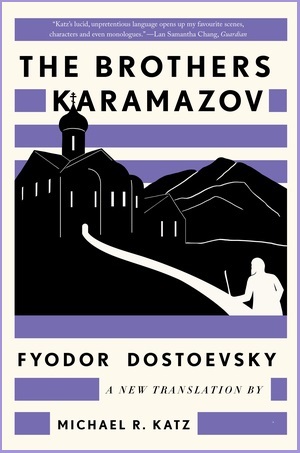
The reader may flounder and ask where the novel is going.
I reached this point, around 300 pages in and with another 600 to go, when Ivan – one of the three sons of a venal rake and landowner, Fyodor Pavlovich Karamazov – recounts the story of a poem that demands the reader bins any notion of giving up on the rest of the novel.
The story tells of Jesus Christ coming back to earth, to Spain during the Inquisition, performing miracles and being arrested. What follows is his astonishing interrogation by the Grand Inquisitor and the rationale for having Jesus (whom, it is accepted, is Jesus) burnt at the stake. What is needed, the Inquisitor argues, is earthly bread – basic needs and consumerism more generally – not the intangible, spiritual bread of heaven. Earthly bread will keep people happy and remove the burden of making free choices.
The freedom that the Grand Inquisitor wants to protect people from is what Jesus held out as a gift to the people of Palestine. It terrifies the Grand Inquisitor for the same authoritarian reasons that led the Catholic Church centuries later to support fascism in Spain: obedience is maintained by consoling people with the thought of eternal redemption in a world to come and material satisfactions here on earth – not access to the means of production that deliver earthly goods.
There are other astounding tales in “The brothers Karamazov”, Father Zosima’s duel and Ivan’s hallucination of the devil are other memorable ones, and they function as ethical missiles delivering truths with an explosive force that can change the lives of those affected (and maybe the reader).
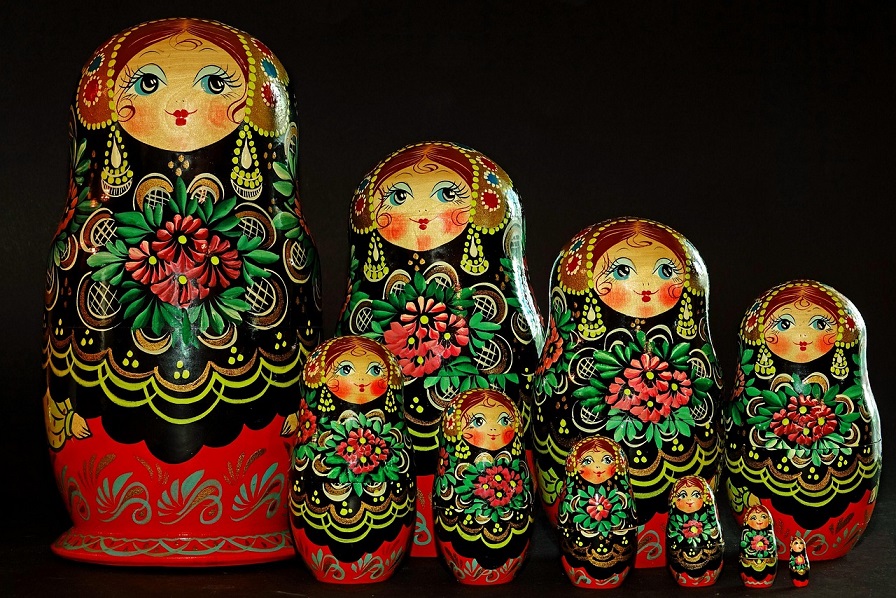
Those sets of Russian wooden dolls, of decreasing size placed inside one another, suggest themselves as an analogy for the reading of this novel but only if thought of in reverse.
What happens is that all the small stories build up to one climactic event: the arrest and trial of one of the Karamazov brothers for a family murder.
Being a new translation of the novel, this edition serves as a spur to read what cannot be classified as a 19th-century realist novel. It is too bewildering and multifaceted to stay inside the confines of the genre.
The translator does not mind repeating the word ‘suddenly’ that Dostoevsky uses again and again in his fiction. It announces an unpredicted change in a character’s behaviour, as if conflicting emotions and states of mind exist in everyone, kept hidden from not only others but one’s own self.
The one exception to this is Alyosha Karamazov, a young man who, it could be argued, should be everyone’s role model
“The brothers Karamazov” by Fyodor Dostoevsky and translated by Michael R. Katz, is published by WW Norton.










.jpg)













