
Edvard Munch’s “The Scream” is one of those paintings you probably cannot remember where and how you saw it for the first time.
 Sean Sheehan
Like the “Mona Lisa” it has already and always been there and now, instantly logged when seen again, probably does not receive much attention.
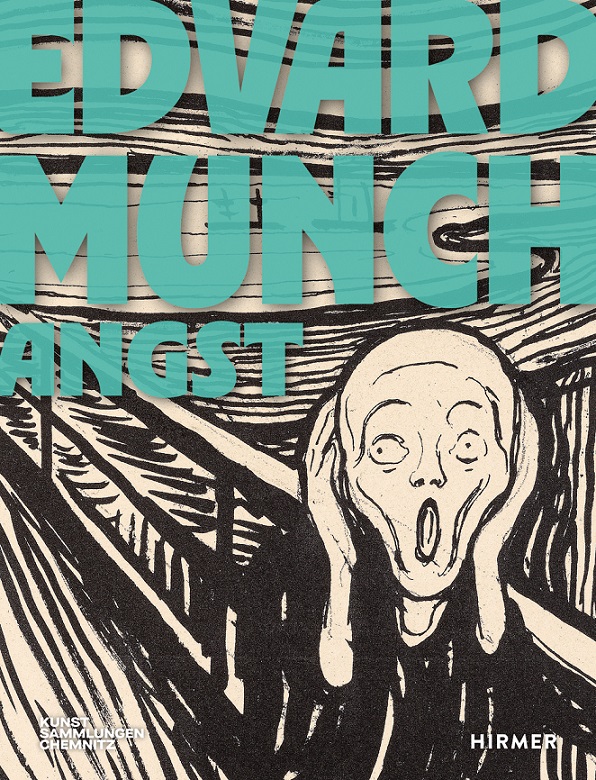
The figure’s hands pressed to its head and a mouth silent screaming has become a visual synonym for despair and – the word used for the title of a Munch exhibition and an accompanying artbook –sheer angst.
The book, “Edvard Munch Angst”, is a serious presentation of the artist and his work that seeks to go beyond the trite use of his “The Scream”.
This is no easy task when, as one of the book’s contributors alerts readers to a collaboration between the Munch Museum in Oslo and an electric car manufacturer. It invited visitors to drive an electric vehicle on a tour of Munch-related sites in the city, including a stretch of road where, said the promotional material, “if you are lucky, you might just catch a glimpse of the view” (from “The Scream”), a moment that Munch said made him shudder as he heard ‘a great and unending scream pass through nature’.
With an astonishingly tacky remark like “If you are lucky”, the promotion could have punningly invited visitors for a Munching on Despair experience.
Edvard Munch, born in 1863, had a tragic early life. His father was a religious fanatic, his mother died when he five years old and his sister Sophie died from a disease a few years later.
Another sister developed a psychosis and spent much of her life in psychiatric institutions. He himself suffered bouts of mental illness and turned to alcohol at a young age. A move from Norway to Berlin and then Paris in the 1890s brought contact with bohemian circles and the emancipatory lifestyles he encountered, both social and sexual, only intensified his loneliness and distress. He felt, he wrote, “like a ship without a rudder”. In his mid-forties, he developed a psychosis, became paranoid and was hospitalized although a recovery did take place and by 1905 his mental health had considerably improved.
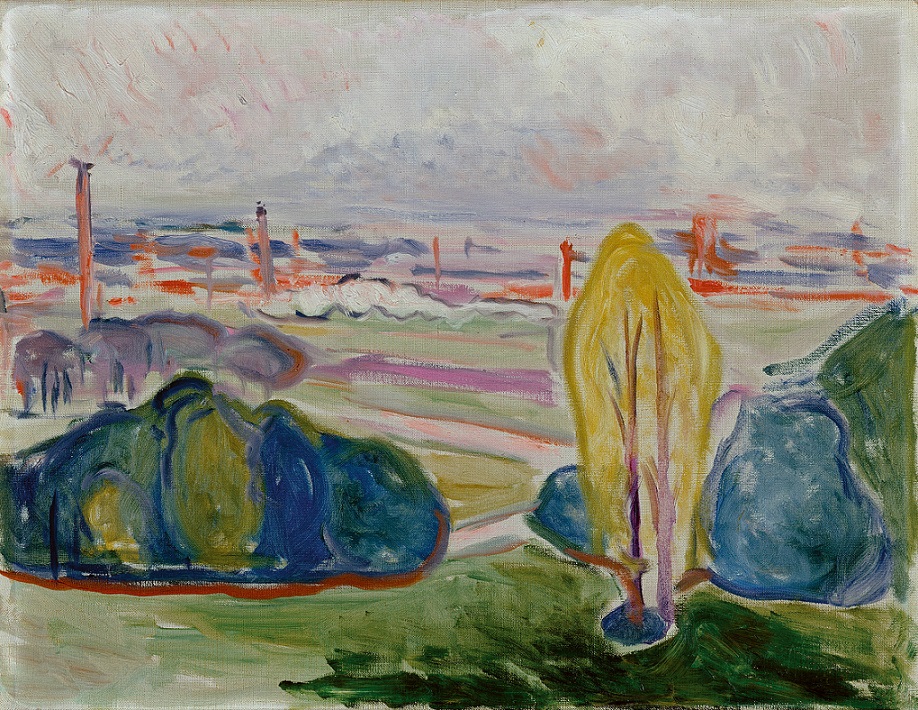
This book provides a necessary antidote to the trivialising of Munch. An interesting essay looks at his association with Die Brücke, a group of German painters and printmakers who contributed to the development of Expressionism. Perhaps more could have been said in the book about Munch’s difficulties addressing women.
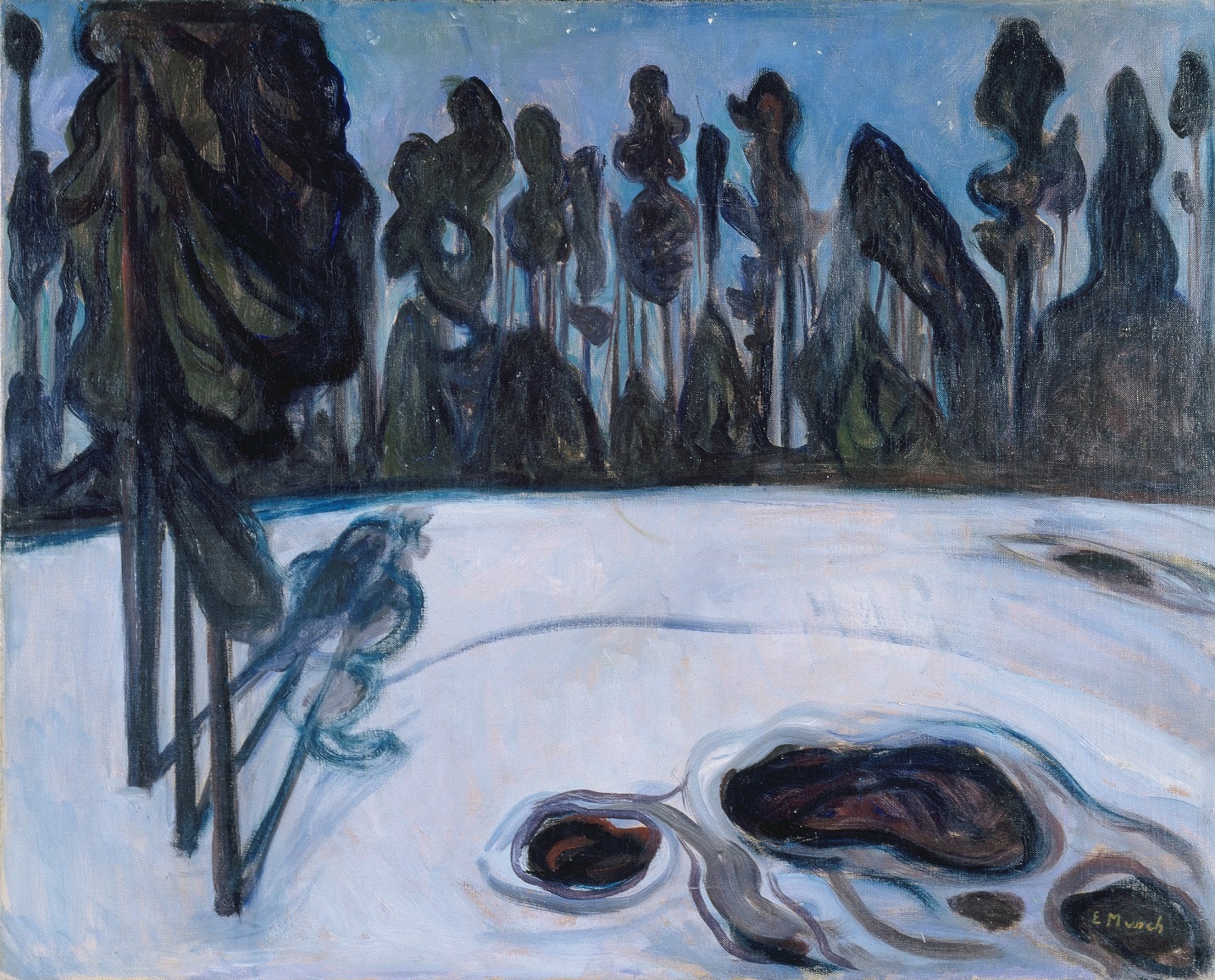
Along with other artists of this period, like Kafka, he shared an anxiety about women that reduced their self-questioning of identity to feminine hysteria. The strength of this book lies in its illustrations of the artist’s work and the reminder it brings that he was a painter who should be remembered for more than just “The Scream”.
“Edvard Munch Angst”, edited by Kerstin Drechsel, Diana Kopka, Florence Thurmes, is published by Hirmer.
(Photos supplied by the publisher)










.jpg)












