
The marketisation of social life and the atomisation of identity have eroded the shared foundations of Western societies. Amid fragmentation and proliferating subgroups, the need emerges for a public sphere in which opposing perspectives compete without imposing a single moral orthodoxy.
 Steve Latham
Daniel Rodgers’ book “Age of fracture” argues that the consensus underlying western society has become fractured, and any notion of cultural unity lost. He traces this back to roots within both conservative and liberal thinking in the last quarter of the Twentieth Century.
Both Right and Left replaced former notions of collective solidarities with individualistic atomisation: whether via the marketization of historical life-worlds, or through social construction of the self.
Although ostensibly opposed, these processes were in fact two sides of the same coin: the voracious expansion of late capitalism.
This stage in capitalism is dissolving all extra-economic, socio-cultural and political-intellectual, norms within the maw of finance capital and the sign-economy.
Paradoxically, both reactionaries and progressives also lament the loss of these communal connections.
Reactionaries want to re-impose a lost moral, religious conformity on society. Progressives want to establish a new ethical orthodoxy based on our present neo-liberal capitalist order.
Both are worried by the fragmentation of postmodernism. Social cohesion and the possibility of collective political endeavour are threatened by the splintering of society into tiny sub-groups.
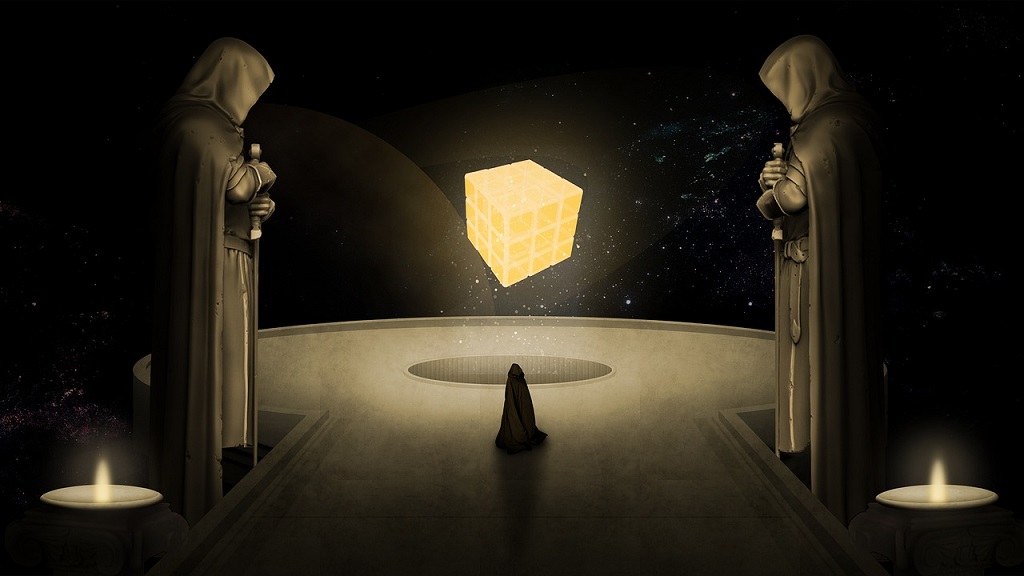 These congeries divide into separate interest groups, with competing interests, and in turn provide the basis for the understanding of our identities.
This allows the simultaneous assertion of radical identities, which claim to be subversive, with a lack of any challenge to the system as such.
Diversity is a value, but in a way that none of the differences actually matter, so long as we accept the consumerist culture.
The consequence, however, is that where beliefs threaten the consensus, then they are seen as suspect. Hence Trevor Phillip’s unease at radical Muslim’s rejection of so-called liberal British values.
But will we ever return to traditional moral values? And can we ever achieve a complete agreement on fresh mores and customs?
What is needed is to affirm the genuine chaosmos of confusion inherent in our emergent socius, and enter forthrightly into a competition between robustly disagreeing viewpoints.
 This would demand, what Chantal Mouffe calls, an agonistic politics, which accepts conflict between divergent ideologies.
Here, a genuine interplay between differing viewpoints, would replace our current unconscious elevation of liberal values.
For these are, as Richard Rorty admitted, merely a contemporary version of the western ethnocentric worldview. Based on individualistic, market-defined, consumer-based, human rights, this approach relativises all traditionalist or communal value-systems.
But why should the right of the individual, to make money or define their own personal lifestyle, automatically trump concerns for community cohesion or environmental protection?
Encouraging healthy dialogue, even between contradictory conceptions, entails constructing a social space able to sustain the resultant lively conversations.
Islamic extremist, Christian fundamentalist, reactionary traditionalist, free-market libertarian, or utopian anarchist, all can participate in this forum.
 This calls for the creation of a new Areopagus: the place where Greek philosophers debated the newest ideas.
One local example has been the Paddington Development Trust in London. Here gay couples, conservative Muslims, white working class Londoners, middle class incomers, and evangelical Christians come together for the good of their neighbourhood. (The Prisma memoirs)
(Photos: Pixabay)










.jpg)












