
Although the number of child workers has been reduced by almost half since 2000, 138 million still work worldwide. Of these, 8.2 million are in Latin America and the Caribbean and work in dangerous conditions. International organisations warn that poverty, inequality and the lack of social protection continue to fuel this phenomenon.
Alfredo Boada Mola
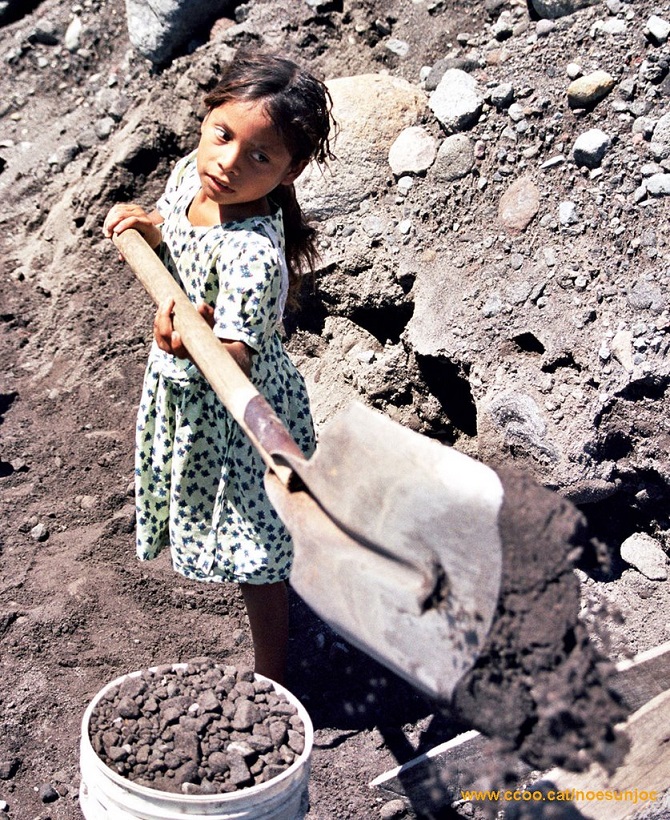
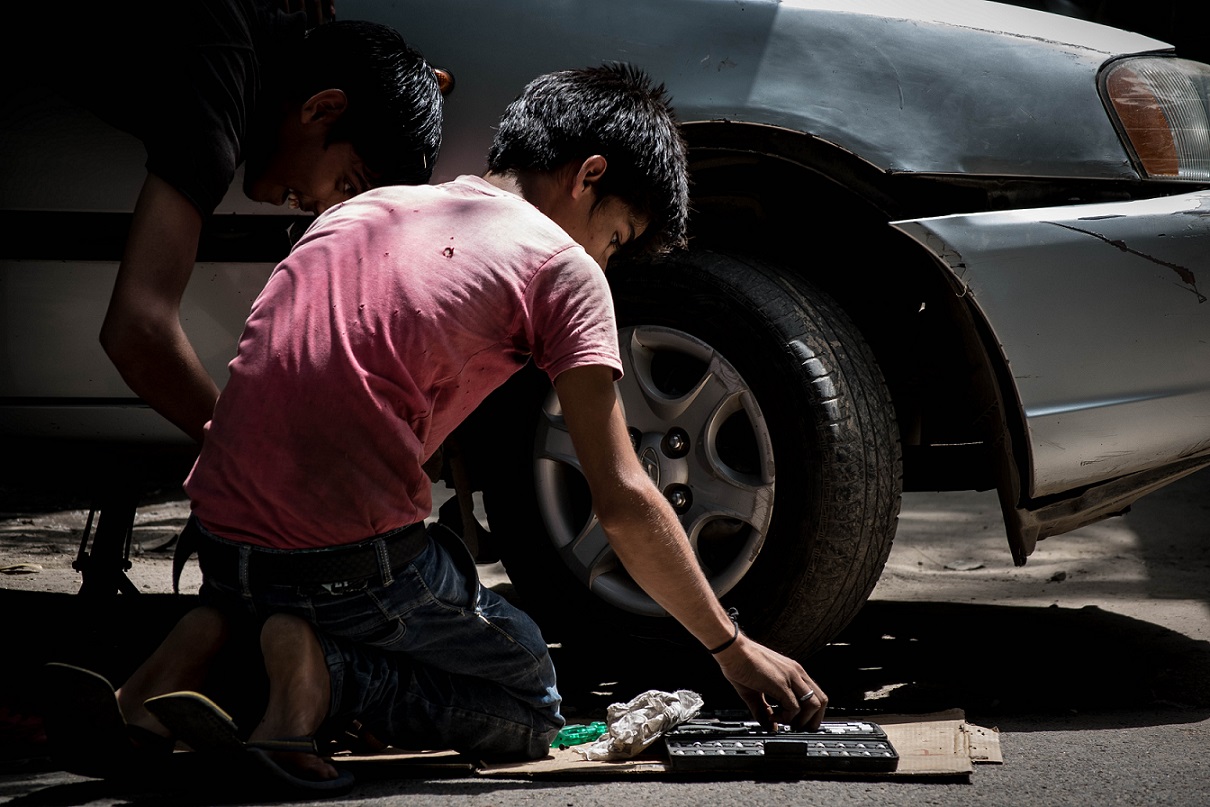
This is a harsh reality for millions of children and adolescents in the region. Although the number of child workers has decreased significantly over the past two decades, there are still 8.2 million children and young people in this situation, and of these 5.5 million are engaged in clearly dangerous activities.
This phenomenon leaves a deep mark on their lives and constitutes a barrier to overcoming the persistent inequality in the region, as defined by the Regional Initiative Latin America and the Caribbean Free of Child Labour.
It is not just any economic activity carried out by children and adolescents (such as helping their families or supervised learning), but a harsh reality that restricts their rights.
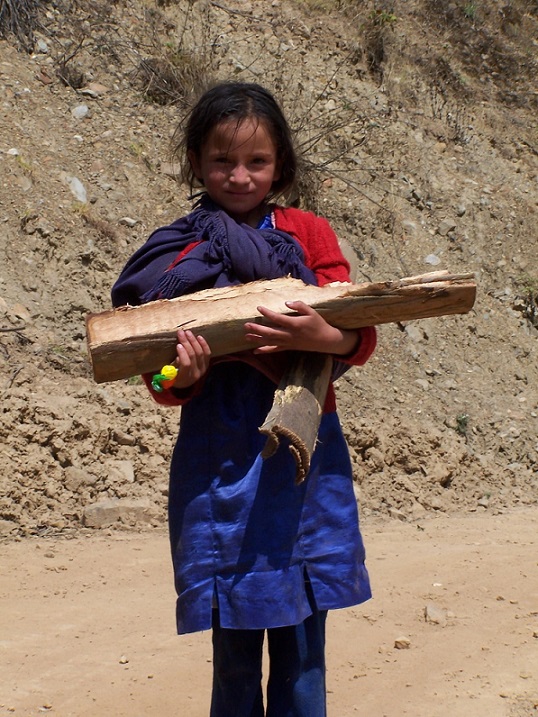
Child labour is harmful to the mental, physical, social and moral development of children and adolescents, affecting them both in the present and in their future. It interferes with their schooling and may prevent them from attending classes or concentrating on their studies. Such a scourge, in its most dangerous forms, exposes them to unhealthy and unsafe environments that could cause death, injury, disability or illness. In addition, it deprives children of their rights to protection, learning and health.
In general terms, child labour refers to any economic activity carried out by children and adolescents below the legal working age, as well as those economic activities which, because of their nature or the conditions in which they are performed, are dangerous and place their health, safety and morality at risk.
Figures that hurt
Despite significant progress since 2000, with the number of children affected by this social problem almost halved, there are still around 138 million children worldwide suffering from this scourge, according to estimates by the International Labour Organization (ILO) and the United Nations Children’s Fund (UNICEF).
Of this figure, around 83.4 million are linked to the agricultural sector, where the largest proportion of this problem is concentrated, according to ILO and UNICEF statistics.
Agriculture continues to be the sector with the highest concentration of child labour, accounting for 61% of cases, followed by services (27%), such as domestic work and selling products in markets, and industry (13%), including mining and manufacturing.
Asia and the Pacific achieved the most significant reduction in prevalence since 2020, with the child labour rate falling from 5.6% to 3.1% (from 49 million to 28 million children).
Latin America and the Caribbean achieved a relative reduction of 8.0% in prevalence and an 11% decrease in the total number of children in child labour, the report states.
Sub-Saharan Africa continues to bear the heaviest burden, with almost two-thirds of all children in child labour, around 87 million. Although prevalence fell from 23.9% to 21.5%, the total number has remained stagnant in a context of population growth.
“The world has made significant progress in reducing the number of children forced to work. However, too many children still work in mines, factories or fields, often performing dangerous jobs in order to survive,” said UNICEF Executive Director Catherine Russell.
“We know it is possible to move towards the eradication of child labour by implementing legal safeguards, expanding social protection, investing in free and quality education, and improving adults’ access to decent work.”
The challenges
Reductions in support for education, social protection and livelihoods may push already vulnerable families to the brink, forcing some to send their children to work. Meanwhile, reduced investment in data collection will make it harder to see and address the problem.
Child labour compromises education, limits future rights and opportunities and places children at risk of physical and mental harm. It is a consequence of poverty, pushes families to send their children to work and perpetuates intergenerational cycles of deprivation. Children are more likely than girls to participate in child labour at any age, but when unpaid domestic work of 21 hours or more per week is included, the gender gap reverses, the report highlights.
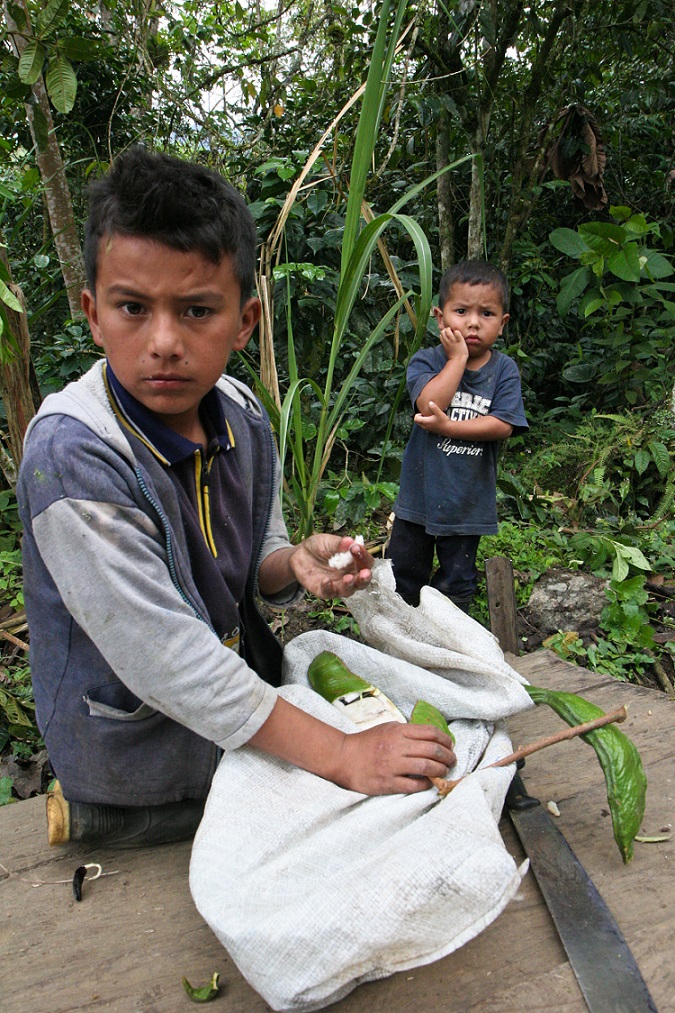
Since 2000, child labour has been reduced by almost half, from 246 million to 138 million, but current rates remain far too slow, and humanity still faces an enormous challenge in achieving Target 8.7 of the Sustainable Development Goals, which aims to end it.
To meet this commitment in the next five years, current rates of progress would need to be 11 times faster.
Therefore, in order to accelerate progress, UNICEF and the ILO urge governments to invest in social protection systems, especially for vulnerable households, including universal child benefits.
They also call for strengthening child protection systems to identify, prevent and respond to children at risk.
They call particularly those facing the worst forms of child labour, and to provide universal access to quality education, especially in rural and crisis-affected areas.
They also stress the need to guarantee decent work for adults and young people, including the right to organise and defend their interests, and to enforce laws and corporate accountability to end exploitation and protect children throughout supply chains. PL
(Traducido por Rene Phelvin) – Photos: Pixabay










.jpg)












