
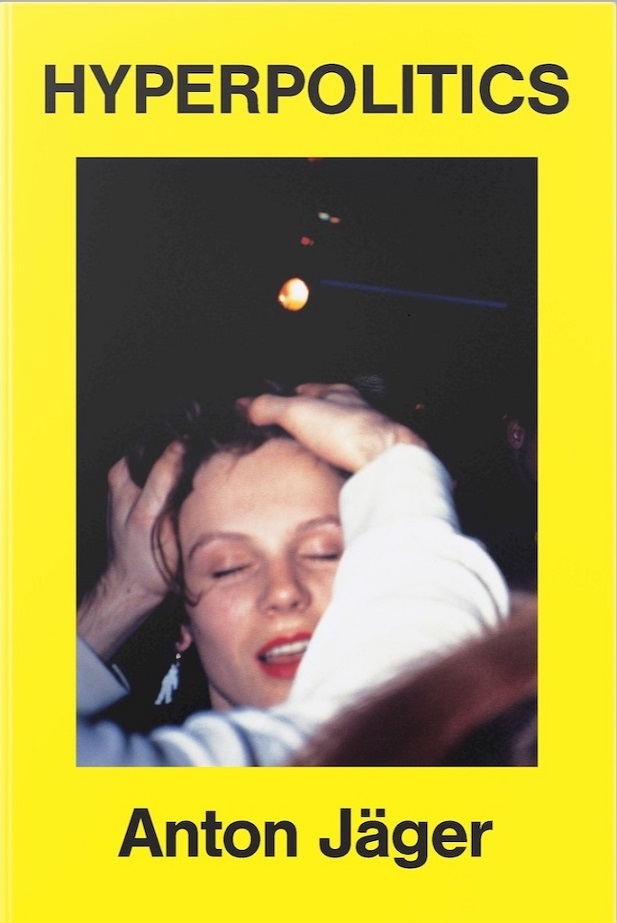
There is an aching need to soberly model the contemporary political world and Anton Jäger in “Hyperpolitics” makes a convincing case for his decipherment of the mayhem, at least as it affects political culture in the US and Europe.
 Sean Sheehan
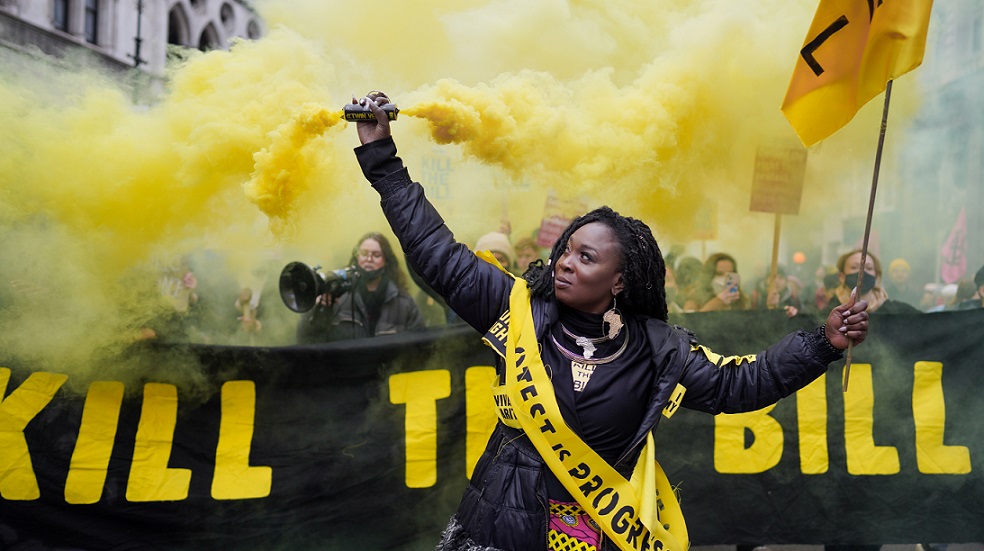
For most of the twentieth century one could point to recognisable social groups, parties with mass membership and concomitant political forces. Beginning in 1989, this picture fractures as the private sphere begins to predominate over collective action and a phase of antipolitics emerges in the wake of economic crises. This, argues Jäger, gives way to a periodic burst of hyperpolitics and the current one displays frenetic activity and an increasing reliance on the curating of politics through digital platforms. The Black Lives Matter protests and the mob assault on the Capitol in Washington in 2021are miles apart in moral and political importance but they both existed as fleeting moments, unrelated to broader political allegiances and, as a consequence, unlasting: “Like the notoriously short cycles of financial markets and digital media, the contemporary sphere spasmodically convulses without ever crystallizing into durable infrastructures.”
In this space, forms of semi-fascism are being nurtured in ways that echo what Marx said about a period of French history when the nephew of Napoleon Bonaparte came to power after a coup d’état. Passive groups in society, he wrote, “Cannot represent themselves; they must be represented” and their representatives must appear “as their master, as an authority over them’ which ‘protects them from the other classes and sends them rain and sunshine from above.”
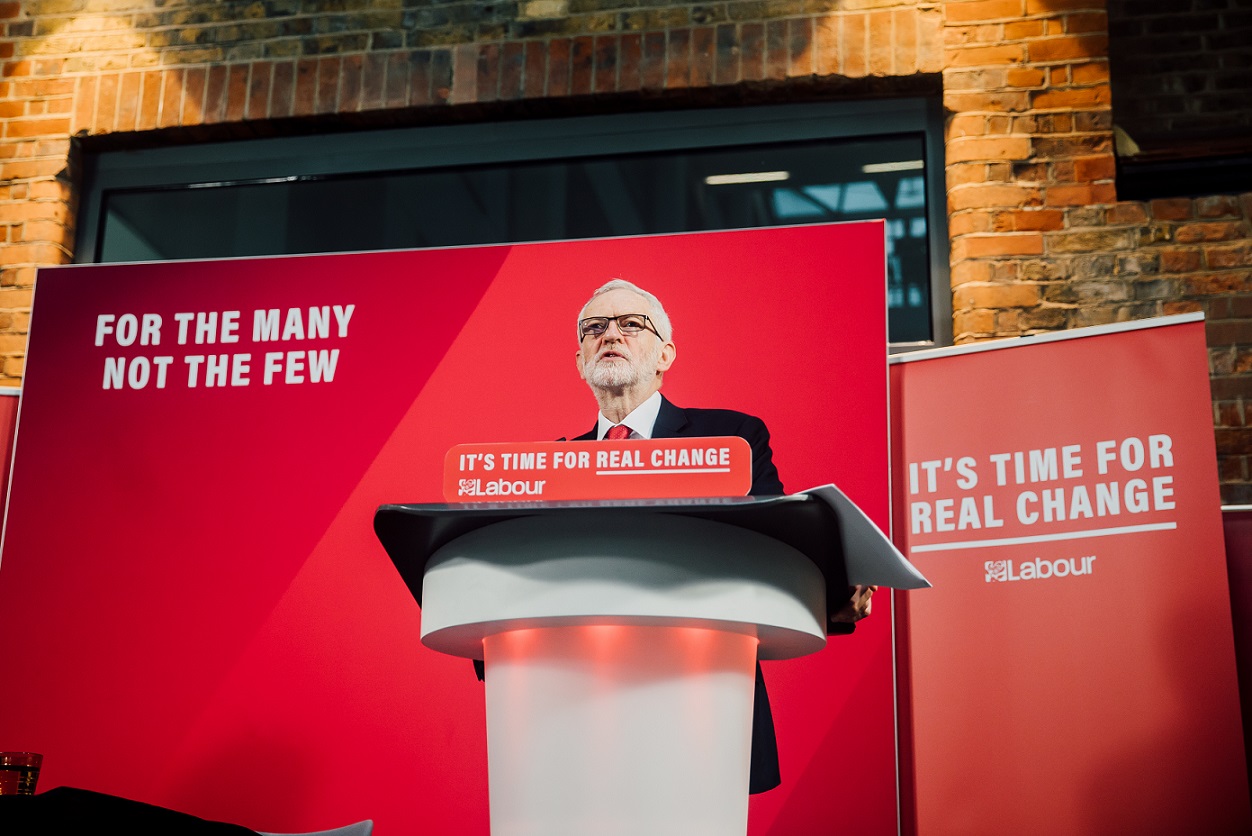
The proper response to creeping neo-fascism is the call in “Hyperpolitics” for a return to mass membership of institutionalized parties and unions.
This may be a nostalgic gesture, but the author is not hopelessly lost in optimism and, after all, in the UK there is an explosion of support for the Green Party, and 800,000 people expressed interest in Corbyn’s idea of creating a new left party.
This is despite changes in the nature of the workplace and the decline of mega-factories: ultimately, “the world of work remains the site where surplus value is produced, and economic interests directly clash”. Where the right-wing in the US and Europe have their whiteness to cling to, the have-nots must find in privation their own non-racial source of cohesion.
Jäger draws his short book (just over a hundred pages) to a conclusion with the joke about a tourist couple asking a famer in Ireland how best to get to Dublin. The farmer’s reply – “Well, I wouldn’t start from here” – encapsulates the present difficulty of resurrecting a political movement for positive change.
Perhaps some hopefulness can be found from the US seeming to lose its grip on political control within its own country and abroad; supreme military power is not guaranteeing Trump and his cohort easy victory in its war with Iran.
“Hyperpolitics” by Anton Jäger is published by Verso and an interview with the author about his book is available here.










.jpg)












