
From breaking the news of Hugo Chávez’s failed coup to reporting across conflict zones and amplifying migrant voices in the UK, Maria Victoria Christancho’s career traces the personal and political cost of bearing witness to history.
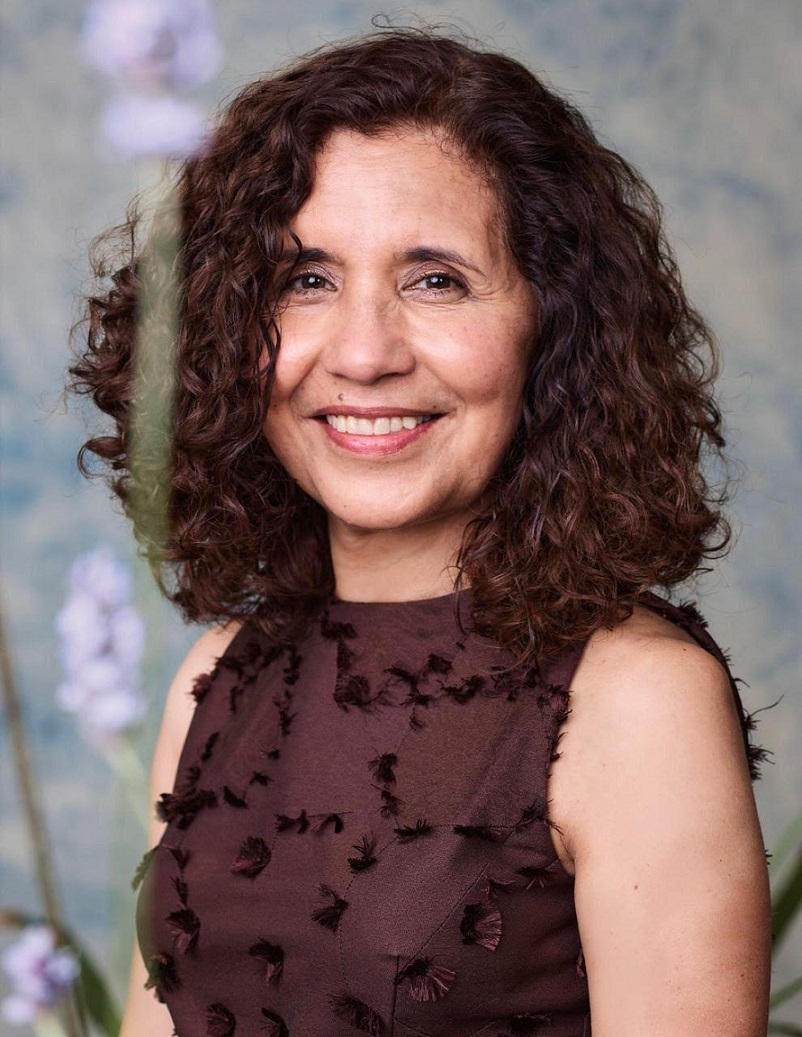
Clelia Frondaroli
If you google an image of Hugo Chávez during the 1992 Venezuelan coup d’état, Maria Victoria Cristancho’s hand can be seen holding a microphone up to the then-leader of the Revolutionary Bolivarian Movement – taken at the very moment he admitted his attempt had failed.
“I was interviewing live [at the palace], and somebody had the brilliant idea to ask Chávez to do a call to say we have failed the coup d’etat, to just give up the guns. So, I was there as he was saying this,” she says.
A warm and intelligent woman, Cristancho smiles slightly as she tells the story about the night she broke the news about the coup in Venezuela. Yet, it is not surprising to find that Cristancho was not only there, but she was also the first to know the coup was happening.
Recounting the story of how it all unfolded, she says: “I got a call from Senator Pompeo Marquez, and he said, ‘Be ready; tonight, is going to be a coup d’état’, and I was thinking, what am I going to do?”
“Anyway, at four o’clock in the morning, I heard the first shot, and you know what I did? I went immediately to the palace,” she laughs, recalling the moment.
Just a few years into her role as a presidential palace correspondent for Radio Caracas Radio, the incident would mark a defining moment in the journalist’s career.
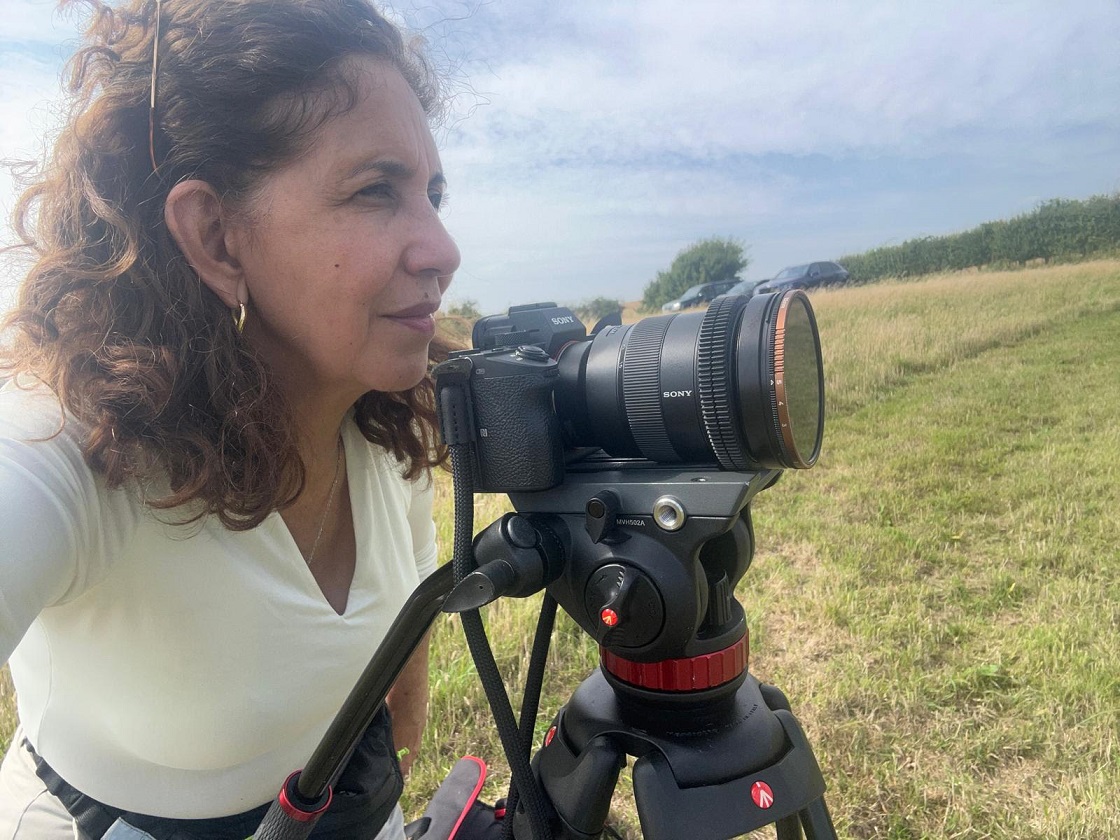 One that would stay with her throughout the civil, political, and social unrest that she would go on to cover across the world.
But for the Colombian-born (and Venezuelan-raised) reporter, her desire to be a journalist began at just 12 years old, when her father sat her down in front of the eight o’clock news every night for the first time. From that moment, analysing the news and understanding what was going on in the world felt ‘natural’ to her, she explains.
Yet the career she chose has not always been easy. When she began as a journalist in Venezuela, she believed the role was highly respected. However, this changed following her final interview with the now-president Chávez in 2002. After her article appeared in El Nacional, the president openly criticised her during a nationwide address, a move that left her feeling disillusioned.
“[After that] My mum called and said, ‘I don’t want you to come back. Chávez will put you in prison’. And I said, ‘I don’t think so’.”
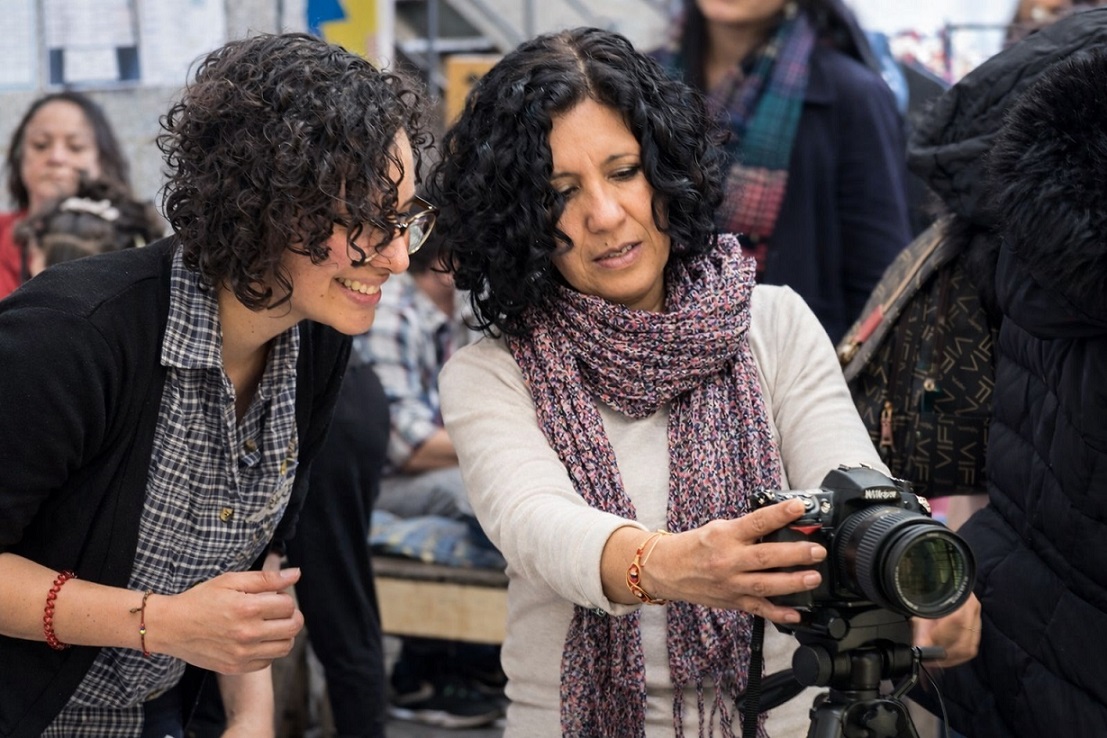 “At that point, I didn’t know the government could become, and became in the end, controlling of the media and put journalists in prison. I believed Chávez would never do that to me. But now I’m sure if I had been there, he would have.”
From there, Cristancho spent the intervening years reporting across the globe.
In 2003, she was offered the role as an international correspondent in West Africa, spending the next five years covering breaking news stories for Reuters and where she would witness the rise of Boko Haram. She later moved to Western Asia in 2008, where she was based in Abu Dhabi. Covering stories from Oman, Jordan, and Qatar, the job was made all the more difficult when she wasn’t allowed to put her name to anything she wrote.
But although it was a ‘very different type of journalism’, as Cristancho put it, her passion for her work never diminished.
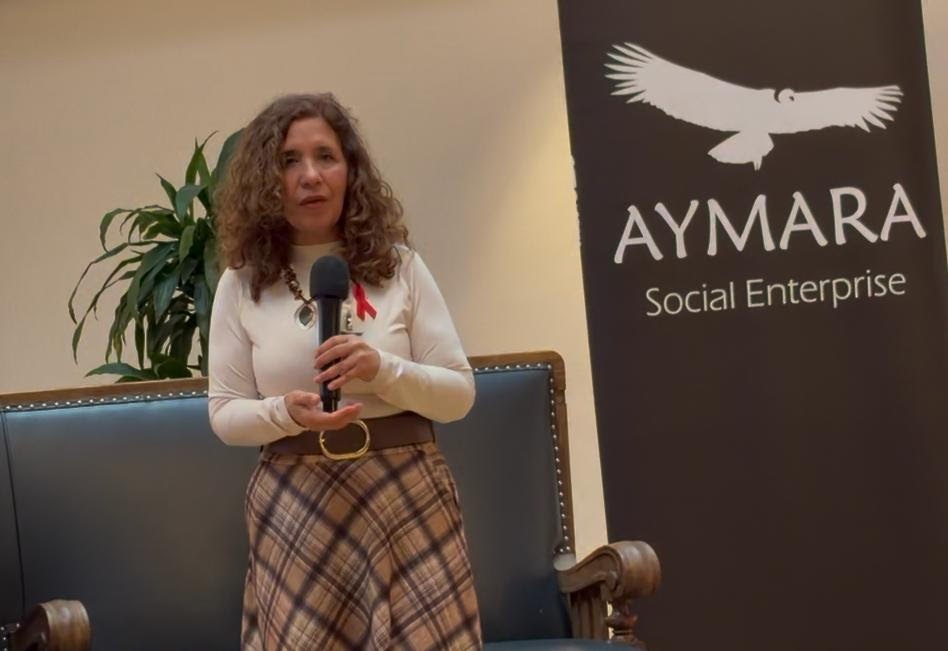 Now the mother-of-one is settled in the UK, and acts as Health & Wellbeing director of Aymara, an organisation that works towards equality in health and social services. Through this, she continues to find herself advocating for migrant voices daily, drawing on her own experiences as a refugee in Venezuela.
“My father was a union leader in Colombia, and he had to leave the country in the 1970s. So, I’ve been a migrant since childhood.”
The difficulty of being a migrant, she believes, is “there is always this sense of loss”.
She continues: “Every time you move, you must prove that you are something. For example, in my case when I came back [to the UK] in 2015, I went from being the international editor of a big paper, and then suddenly I was nobody.”
As many migrants continue to face challenges in employment due to legal restrictions and language barriers, Cristancho hears stories of hardship, long hours, and little pay, all to just barely get by. But, through her work interviewing women and migrants for her podcast “Tertulia del Martes”, she has also heard of triumphs, of those arriving in the UK with nothing and leaving with PhDs.
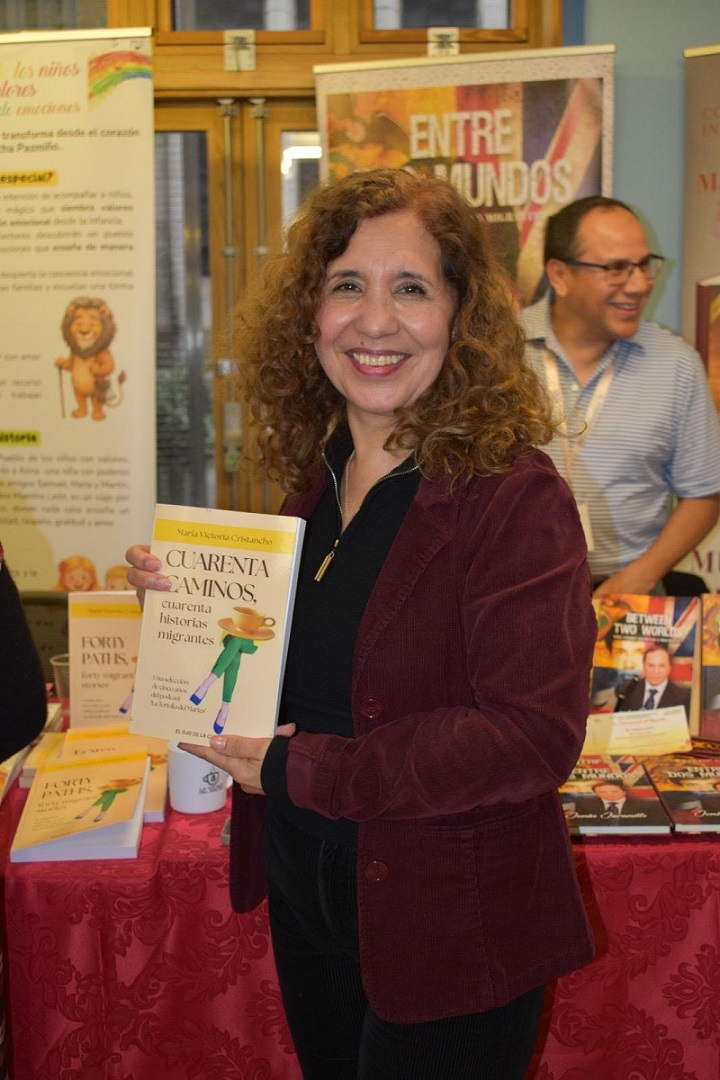 It was through this podcast that her book “Forty paths, forty migrant stories” came about, which brings together testimonies and accounts from Latin Americans living in London. She launched it at the end of last year.
Although the journalist does not know where she will end up living long-term, whether it be in the UK or elsewhere, Cristancho is now certain of one thing: her identity.
“I always say, I was born in Colombia, and I didn’t choose to be Colombian. And I grew up in Venezuela, and I didn’t choose to be Venezuelan.
“But now I am Latin American. I have chosen that.”
(Photos supplied by Maria Victoria Cristancho and authorised for publication)










.jpg)












