
Immigrant communities, comprising 16% of the UK population, are moving beyond the ballot box to stand as candidates. Despite barriers to participation, their growing electoral weight and mobilisation could prove decisive in the 7 May local elections. The Prisma Series: “Immigrants and UK politics”.
 Marwan Nabli
They pay their taxes, work, contribute economically, and are often involved in local and social initiatives. Immigrant communities, comprising people not born in the UK, represent 16% of the population, around 10,7 million citizens, according to the last Census in 2021/2022.
They are key elements of the country’s prosperity but still face many issues that prevent them from participating fully in local or national political life. “There is a language barrier that often affects our communities and also misunderstandings about who is eligible to vote and who is not, due to a lack of accessible information, which I believe makes it so much more difficult for people to register,” reports Lara Parizotto, Executive Director of the Migrant Democracy Project (MDP).
She elaborates on her point by stating that only “66% of EU and Commonwealth citizens are actually registered to vote”, according to the 2022 electoral data. “Concerning Commonwealth citizens, that would make about 770,000 citizens able to vote in the upcoming elections,” she added.
There is no single official figure stating that a certain number of voters from immigrant communities voted in the last UK election, but, following the House of Commons Library, around “48 million people were registered in the 2024 general election”. Given that “the national turnout was 59,7%”, the proportion of voters from immigrant communities could be between 10% and 14%, which would amount to approximately 2,9 to 4 million voters, according to an estimate taking into account age, citizenship, and voter registration.
The issue is aggravated by the fact that immigrant communities “don’t see the democratic space as a place where we belong or we can actually make that change,” added the Executive Director.
Despite this, migrants are pushing for voting rights ahead of local elections.
Margaret Mullane, Labour MP in Dagenham and Rainham, in East London, sees “growing interests in national and international politics strengthen voters’ political engagement, which wasn’t the case before”. When she was elected, back in 2024, she remembers that “the Palestine situation was a big conversation with my Muslim constituents”.
“The rise of extreme right parties like Reform UK,” may also be a contributing factor according to Lara Parizotto.
But is there a genuine interest among local and national elected representatives in engaging with immigrant communities? The situation has evolved, according to the Executive Director of Migrant Democracy Project: “People want to be more involved now because they are suffering from different policies for many years, or it might also be a context where they feel that they are more rejected than before”.

The power of immigrant communities’ vote was clearly identified at the Gorton and Denton by-election on 26 February 2026. In a constituency made up largely of people from Pakistan, Bangladesh, and India, the Greens have enlisted, among other things, the help of people who speak Urdu and Punjabi. Anger among some Muslim voters over the destruction of Gaza, coupled with disillusionment with the national party, proved decisive for the Greens, who, against all expectations, won with 40,7% of the vote.
Nigel Farage, leader of the anti-immigration party Reform UK, who had pinned his hopes on this election, said afterwards that “foreign citizens should be banned from voting”.
Margaret Mullane feels that “there are people who previously would have voted for us and are now questioning”. The message of Labour candidates “vote for us because you don’t want Reform, does not sit well with lots of different communities,” the MP analyses.
“We want politicians to get elected who embrace our community,” argues Lara Parizotto, who says that policies like “immigration, family reunion, cost of visas, renewals, and routes to settlement,” are the main issues that members of immigrant communities have raised with her.
Heather Rolfe, Senior Research Fellow at British Future, a think tank and registered charity, whose main research interests are in immigration, inclusion, integration, and equality, believes “there are indications that ethnic minorities put emphasis on dealing with the cost of living, growing the economy, employment and skills and on services such as dealing with crime, building more homes, and also growing the economy”.
In this context, the upcoming local elections, on the 7th of May 2026, when 5,066 English councillors will be elected, can represent a turning point for the involvement of immigrant communities in politics.
For Lara Parizotto, there is “a ripple effect, where more and more migrants are being reached out to because more candidates from different nationalities are standing as well”.
The Migrant Democracy Project has offered a political leadership training program for years now. and has trained 21 first‑generation migrant leaders to run for local elections. Two of them were elected in May 2024: Kemal Çufoğlu of the Green Party in Colchester and Gabriel Duduta of the Liberal Democrats in Watford.
Several more are running in the May 2026 elections, including seven candidates in London, such as Elmedina Baptista Mendes in Islington, Gheorghe Zugravu in Havering. Migrant candidates come from Ecuador, Colombia, Cape Verde, Romania among other countries and sometimes fighting in potential swing borough councils, such as Stratford Ward in Newham, where one party has held a dominant position on the council for 55 years, or in Hackney, where a mayor will also be elected.
 The constituency of Margaret Mullane is being targeted by the far-right party Reform UK. Now more than ever, she believes that the contribution of the immigrant communities to the elections is “vital”. The MP considers that “whoever gets their vote out will win”.
*To check your voting eligibility, complete the Migrant Democracy’s tool.
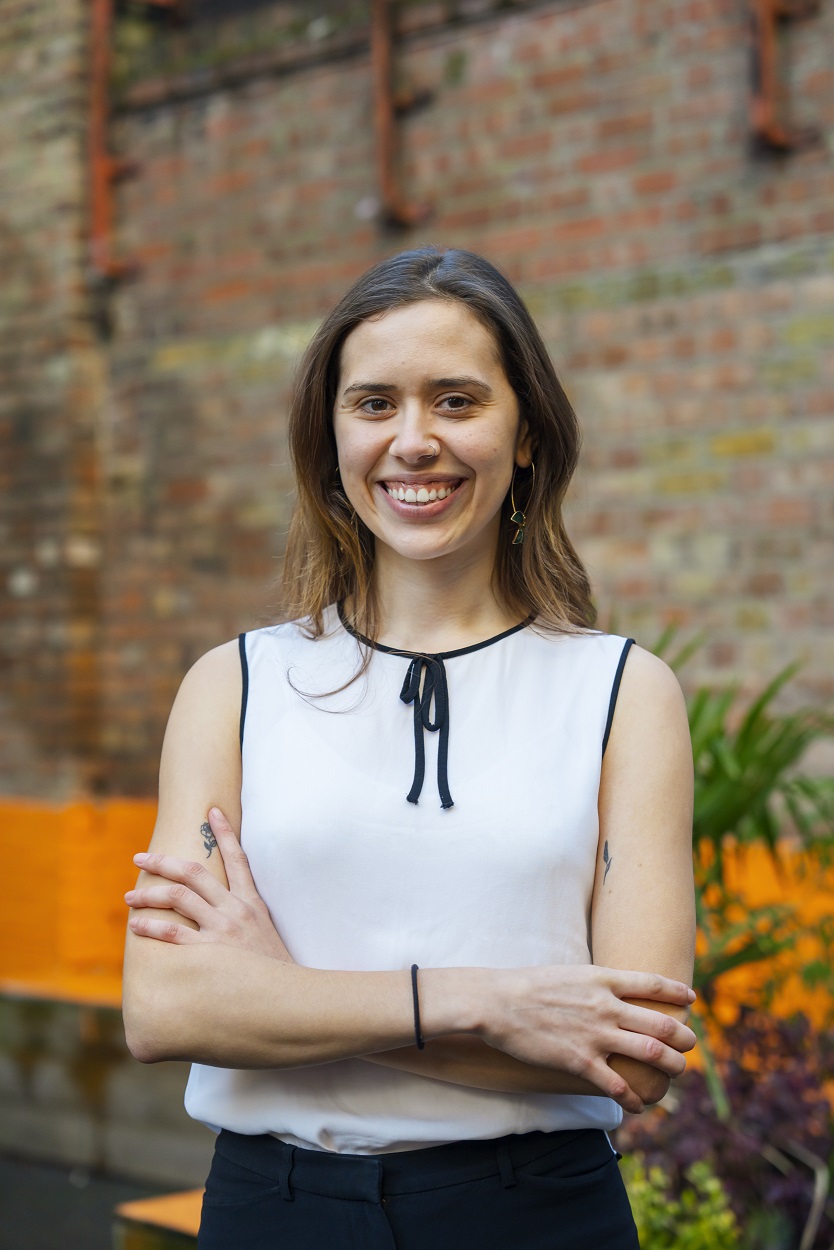
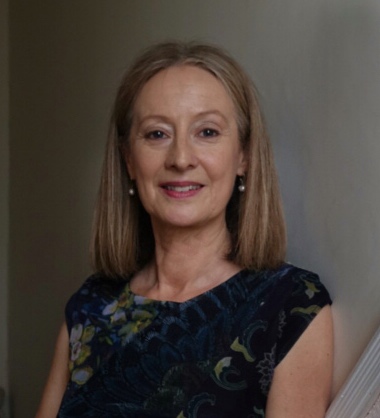
(Photos supplied by the interviewees and authorised for free publication in The Prisma)










.jpg)












