
Mental health is emerging as a silent casualty of tightening immigration rules in the UK. These changes are not only reshaping legal pathways but also deepening psychological strain across the diaspora. Experts warn that rising expenses and growing insecurity could worsen wellbeing outcomes among Latin American communities in Britain. The Prisma series: “UK Borders and Lives”.
 Pablo Muñoz
Pope Francis said of immigrants that they are people who “share a legitimate desire for knowing and having, but above all for being, more”. Immigrants have to overcome the complexities of learning a language that is not theirs, of trying to fit into a foreign culture, and of trying to make ends meet in the solitude of being far from all that is synonymous with a sense of safety: their home, their family, their own people.
The dire situations immigrants face can be further worsened if their legal security guarantees are diminished in their host country. This is precisely what the March 2026 Statement of Changes in Immigration Rules HC 1691 is currently doing to Latin American immigrants in the UK, since these changes are increasing permit fees, tightening labour control checks, and upping requirements to attain settlement status.
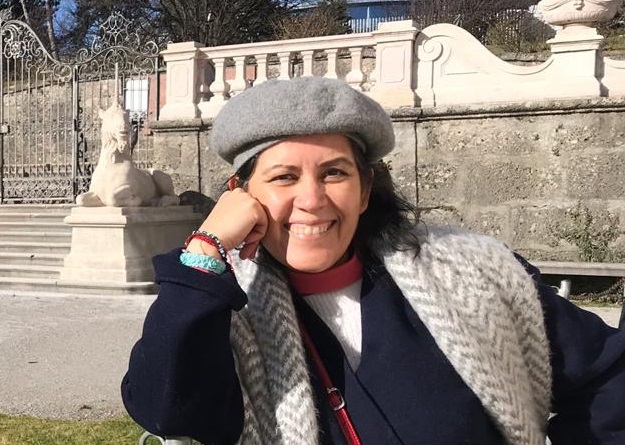
These changes can contribute to the mental health challenges Latin American immigrants in the UK are subject to. The Prisma contacted Nancy Liscano, a Colombian-born specialist in mental health, to explain how these changes might affect immigrants under distress.
Liscano, with more than 20 years of experience in the field, holds a doctorate in Psychology and is the director and founder of Voades UK, an organization that provides crisis intervention, emotional support, and mental health resources to immigrants facing isolation or emotional distress.
From the start of the conversation, her position is firm. To learn of these changes causes her much pain. Liscano first mentions that immigrants have either decided themselves to make the move or have been forced to move by circumstances.
The poem “Home” by the Kenyan-born British Somali writer Warsan Shire springs to mind: “You have to understand, that no one would put their children in a boat unless the sea is safer than the land.”
Liscano said the first step is “to close the door to your own country. In some cases, it might be that there is a risk of violence. It might also be that there are so few opportunities, which lead to the person taking the decision [of emigrating] to look for a life with more professional opportunities.”
She then tackled the issue of the financial constraints which these changes now put on immigrants, and how these will add to the stress they feel. She explains that these permits, which are now going to be increased by around six to seven per cent, are already pricey, and that when added to living expenses, they might lead to increased vulnerability.
The factors that most affect mental health in immigrants are “vulnerability and stressors, which if [stressors] are too many, they might seriously jeopardize their mental health”. Among the stressors she refers to are the cost of living, the cost of their work permits, and the control that the UK government exercises over their status.
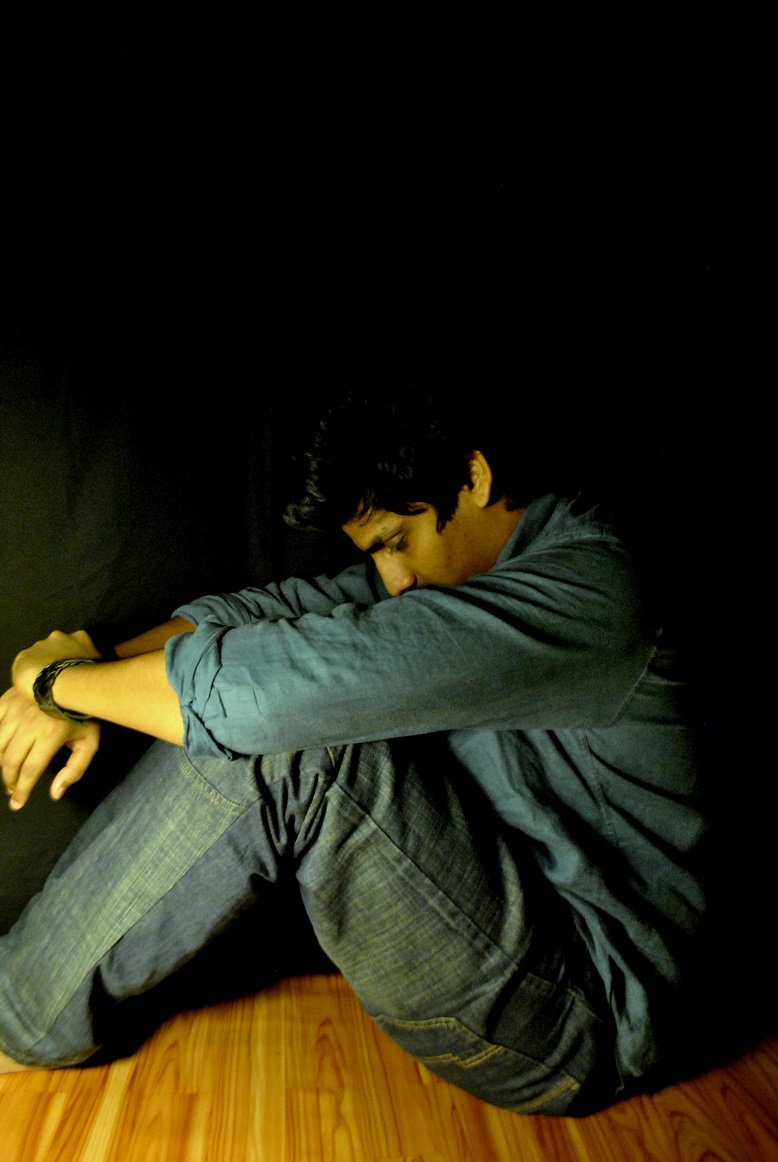 She goes on to say that a little over two years ago, Dr. Joseba Achotegui released an article on Ulysses Syndrome, which is defined as intense stress and mourning related to suffering issues typical during migration such as loneliness, helplessness, or lack of opportunities on immigrants.
Achotegui is the global authority on Ulysses Syndrome research and founded the Ulysses Syndrome Institute, which is currently directed by Nancy Liscano since early this year. Dr. Salvadora Espeso co-founded the Institute in 2002.
Liscano says that the study found “there was a large number of Latin American immigrants with Ulysses Syndrome, meaning that they really miss their family, their language, the atmosphere back home. This results in some manifestations of dysthymia — a persistent, long-term form of depression”.
“The problem,she adds,is that doctors and psychiatrists do not understand that this is like grief. They should create platforms that enhance integration so that this angst is mitigated.”
As she explains “they are medicating this with anti-depressants, when what is needed are platforms that shelter and intervene for those who are traumatised Honestly, what the government is doing is exactly the opposite of what should be done. This will increase the stress levels of immigrants, which in itself goes against the interests of society. Why? Because we are all integrated in society, both hosts and guests, and so we must create a sense of well-being.”
Regarding how these changes affect family life, Liscano points to a study conducted by the Ulysses Syndrome Institute on 250 Latin American immigrants, which used the Hamilton test, which tests depression and anxiety, on participants.
 The results surprised her, since she says that “those who came with their families had higher levels of depression” than those who came on their own, with 70 per cent of them being refugees struggling with the financially and socially demanding nature of childcare.
She later remarks that the changes introduced by HC 1691 have the potential to “make Latin American immigrants feel like scapegoats”, excluded or marginalized. Through these changes, Liscano believes the UK government is seeing immigrants not as an asset but as competition. To advocate for Latin American immigrants in the UK, Liscano has led the creation of the Coalition of Latin Americans in the UK (CLAUK), which helps provide legal advice, mental health support, and promotes legal recognition across the UK.
The Coalition has already successfully campaigned for the inclusion of “Latin American” as a distinct ethnic category in London boroughs, such as Lambeth or Southwark, and they are hoping to achieve the inclusion of the category for the 2030 national census in the UK.
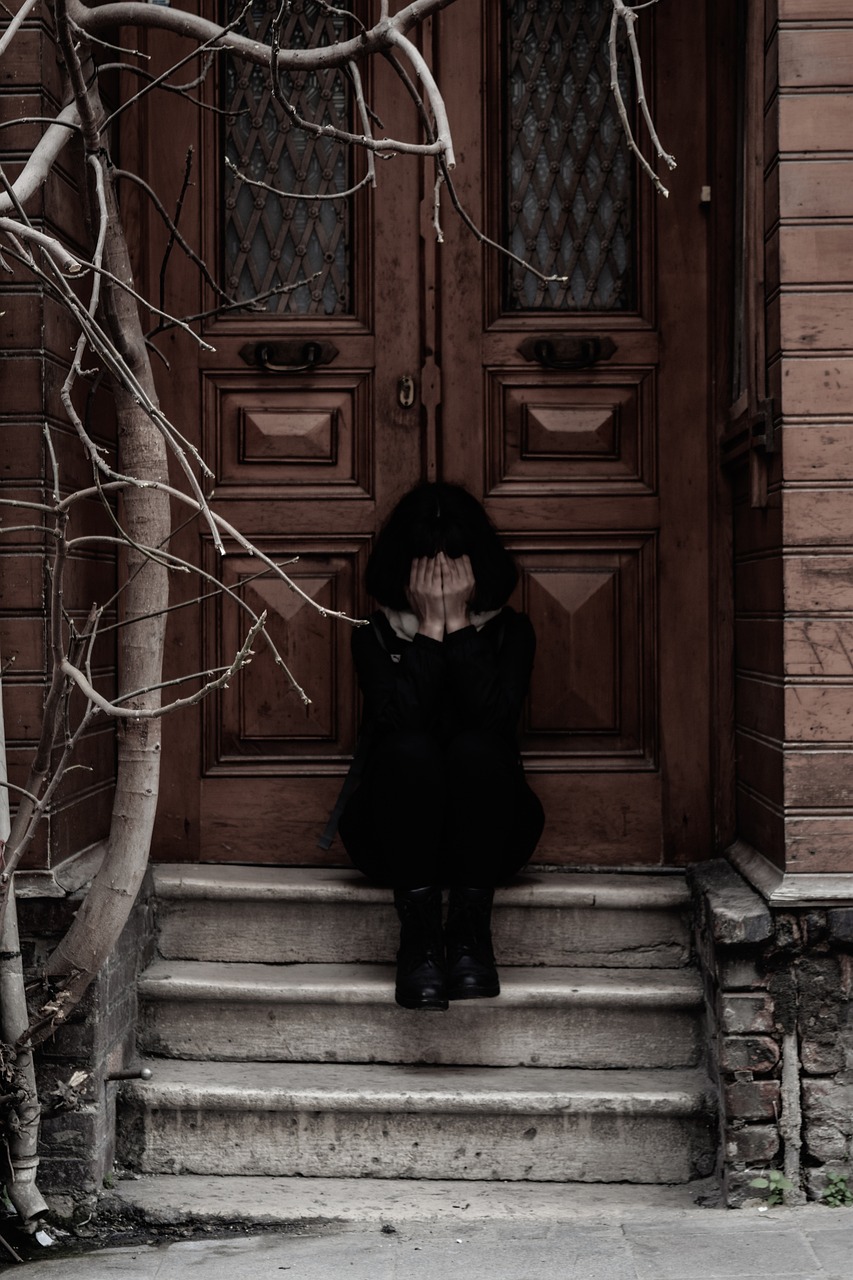 Liscano reminds The Prisma that “our health is supported by our positive output, our capacity to respond assertively to challenges”.
Asking for help can lift some of the weight that the immigrant community feels is mounting on their shoulders.
(Photos: Pixabay. Image of Nancy Liscano, provided by the interviewee)










.jpg)












