
Zahi Zalloua gives the radical thought of the anti-colonist theorist Frantz Fanon the justice it demands and deserves by allying it with psychoanalytic and philosophical ideas from the work of Slavoj Źiźek.
 Sean Sheehan
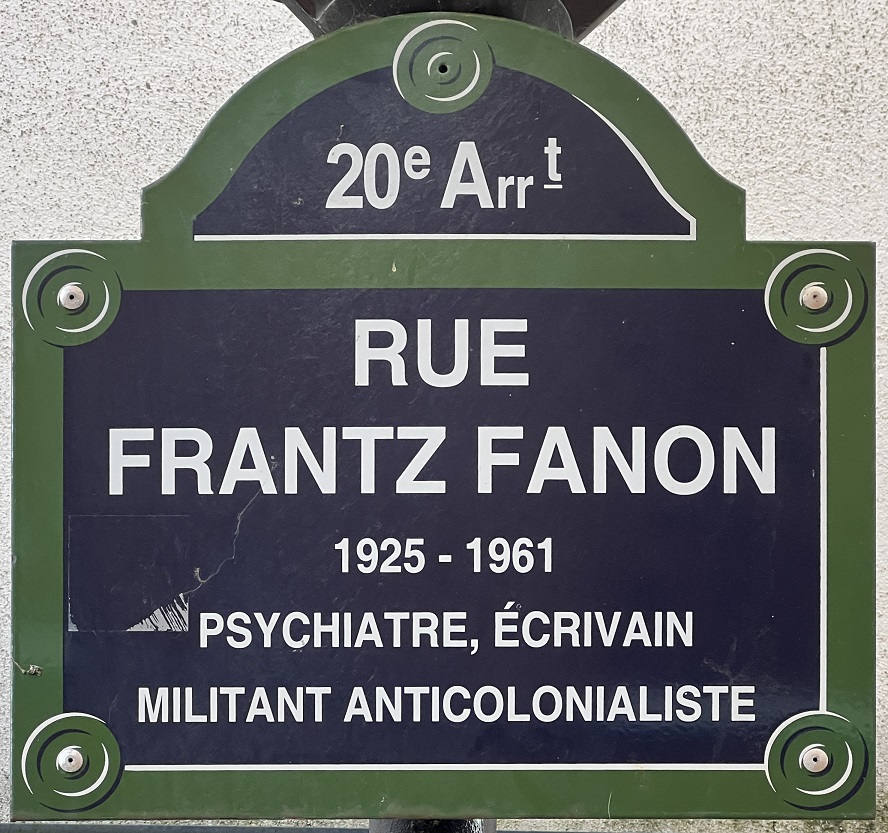
In a racialized world, some humans count and some others, those that do not count, have their being denied. The liberal response deploys the idioms of human rights and tolerance while shying away from the antagonism that underlies the struggle for social change in the face of what Fanon calls a “whiteness [that] burns me to a cinder”.
The ‘violence of resistance’ in the title of Zalloua’s book endorses what Źiźek means when he calls for an end to illusions of wholeness and positive identities; Fanon speaks of ‘a zone of nonbeing…from which a genuine new departure can emerge’. Symbolic fictions of wholeness are what hinder the decolonizing of the mind and there is a pressing need to invent new forms of social existence that tackle the unconscious fantasies sustaining an anti-Black world.
The plight of Sethe in Toni Morrison’s “Beloved”, killing her child to save her from a life of racial enslavement and non-being, provokes a paradox when asking whether she was right to do so: “It was the right thing to do’, answers Morrison, ‘but she had no right to do it”. Anti-Blackness covers all those who are denied their being and Zalloua includes the Palestinians so that one might say, in reference to the Hamas attack in southern Israel on October 7 in 2023, that they had the right to do it but it was the wrong thing to do.
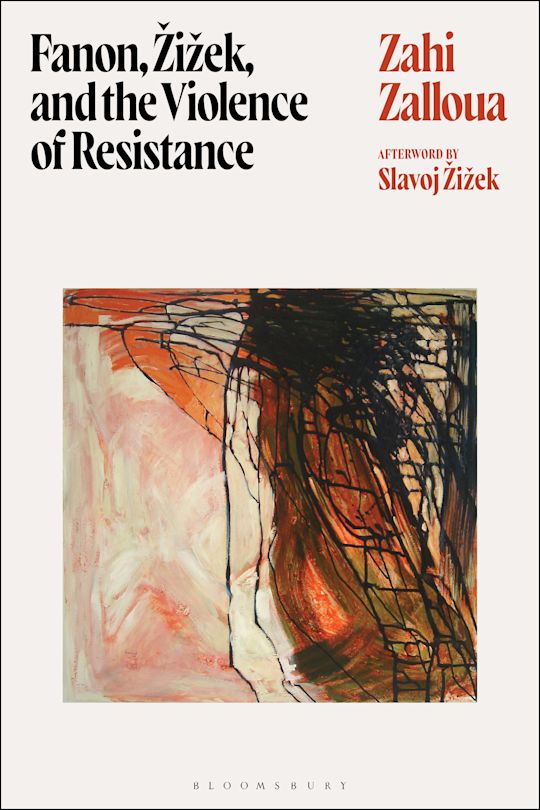 The parallels drawn between Palestinians and Blacks – with all the disturbing force the author can muster – is one of the many strengths of Zalloua’s book. He stretches psychoanalysis to remove its focus on the bourgeois family and uses term fetishist disavowal to describe the US’s national amnesia about the country’s racial slavery.
Psychoanalysis combats colonialism by denying the colonized’s fond belief in the fantasy of returning to an indigenous, wholeness of personal and social existence. Racial capitalism needs confronting and, as the author explains, this means recognising the Palestine Authority in the West Bank as complicit with Israel.
Zalloua’s achievement is to use Fanon and Źiźek to develop how decolonization must contend with the unconscious, the enjoyment that comes with the racializing of otherness and a nonpsychological account of the concept of ideology. These topics are essential nutrients in the rich soil that Źiźek continues to unearth and plant with new ideas.
“The Bloomsbury handbook to Slavoj Źiźek”is to date the most concerted and collective endeavour to lay out his astounding body of work and it amounts to more than 630 pages, broken down into easily accessible sections; availability in paperback is eagerly anticipated.
“Fanon, Źiźek, and the violence of resistance” by Zahi Zalloua is published by Bloomsbury. “The Bloomsbury handbook to Slavoj Źiźek”, edited by Dominik Finkelde, is also published by Bloomsbury.










.jpg)













