
Being an immigrant is not easy, even in one of the most multicultural countries in the world. Amid growing anti-immigration rhetoric, the effects of Brexit and increasingly restrictive government measures, thousands of foreign-born residents face uncertainty, discrimination and daily barriers in an increasingly polarised society.
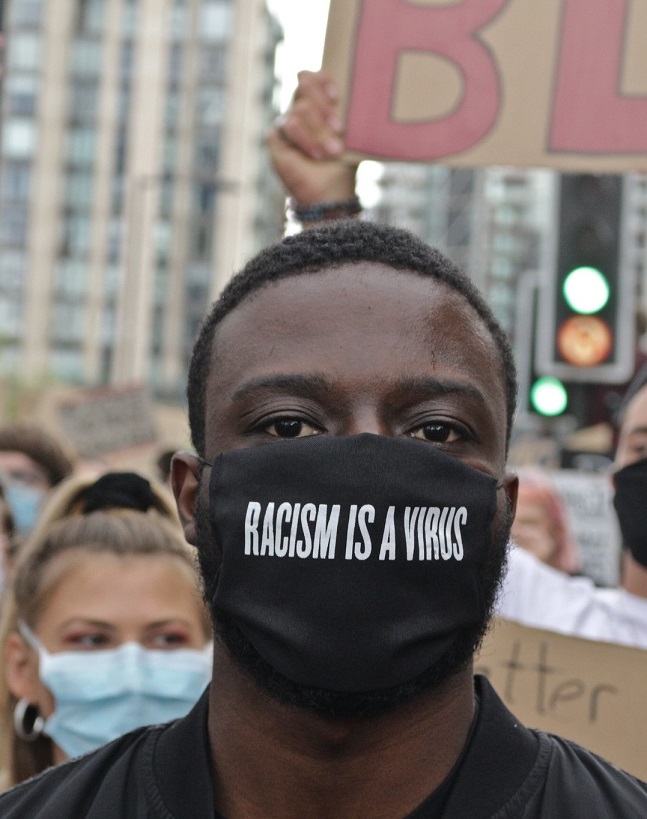
It is not because the customs, dreams, cultural traits, projects and history that shape their identity are so different that they wage a daily struggle not to become lost in that welter of new codes. Nor is it because sometimes the host country stereotypes, rejects or discriminates against the stranger.
In this struggle, the immigrant seeks to adapt, integrate and acculturate; battling with the reasons that motivated their migration, with the absence of the emotional and affective legacy left in their country, and with what it means to start from scratch.
Of course, there are nations where it is easier to be an immigrant, adapt, integrate and enrich the new environment with one’s own customs. Generally, they are those where there is a common history and language but, above all, similar customs and geography. Therefore, migration within the same region is easier, more fraternal and less traumatic. This is the case with the nations of Latin America, Africa, the Middle East and Europe. In the case of the United Kingdom, the experience of immigrating is more welcoming for those who come from European countries, since immigrants have, so to speak, different statuses.
In general, it is easier for the British to receive, live with and accept an immigrant from the European Union, especially if they come from countries such as Germany, France, the Netherlands, Switzerland, Belgium, Finland or Sweden.
But that ‘deferential’ treatment begins to become ‘different’ (especially since the economic crisis and later with Brexit on the table) when immigrants arrive from Italy, Spain, Portugal or Poland. And it becomes even more different, and indeed reticent, when they come from countries in South and Central America, or from the Middle East or Africa.
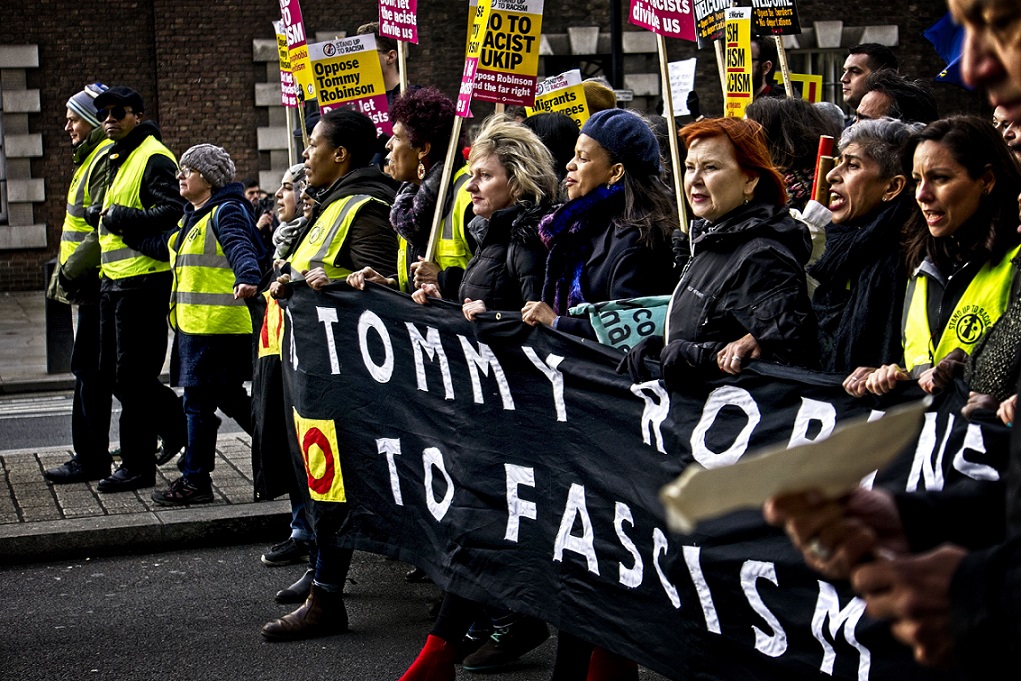
This is because, by not being European, the prejudices and stereotypes surrounding immigrants increase: the further away they come from, the more or less savage, more or less cheerful, more or less intelligible or unintelligible, more or less colourful or amusing, more or less intelligent, more or less skilled and suitable for certain jobs, more or less interesting at social gatherings…
Of course, with Brexit, with Theresa May and everything that came along with it, the situation became more complicated. Although May alone cannot be blamed.
I remember the campaign against immigrants led by David Cameron: his raids at all hours and in all kinds of places, the vans bearing the slogan ‘Go Home’, his declaration that multiculturalism had failed, and the narrative in the media that immigrants came to steal British jobs, overwhelm the NHS and live on benefits.
The cities filled with fear and the detention centres filled with immigrants, who were kept there for years or deported regardless of whether they might be killed in their home countries.
That discourse began to take shape, a form of hatred, racism and xenophobia, and even going to the doctor became intimidating because if a name did not sound English, they would ask for a passport or say, ‘one moment’, leaving the immigrant with the feeling that they had done something wrong.
 And in the Job Centres, staff began to be increasingly fussy, even though for every 10 immigrants there might be 1,000 English people who had been dependent on the system for 10 years. This is without mentioning the meticulous scrutiny of those working with immigrants, or the frequent stopping of anyone with an ‘immigrant-looking face’.
With this climate thoroughly cultivated, and having taken deep root among many Britons who placed all their hopes in Brexit as a way of expelling immigrants, Theresa May inherited the country and the present and future of Brexit. Of course, May had already made ‘significant contributions’ to anti-immigration policies.
Today, things could hardly be worse for immigrants. It is no longer clear whether conditions are worse for EU citizens or for immigrants in general, nor whether they are worse for long-term residents or for new arrivals.
Many are victims of xenophobia, racism, intolerance and hate crimes, stemming from a genuinely monocultural, arrogant and nationalist segment of the population, with a strong imperialist and fascist mindset, which has openly expressed its views through social media, created anti-immigrant groups, aligned itself with right-wing tabloids, shown hostility towards Muslims and Poles, and become increasingly intolerant and aggressive, both physically and verbally.
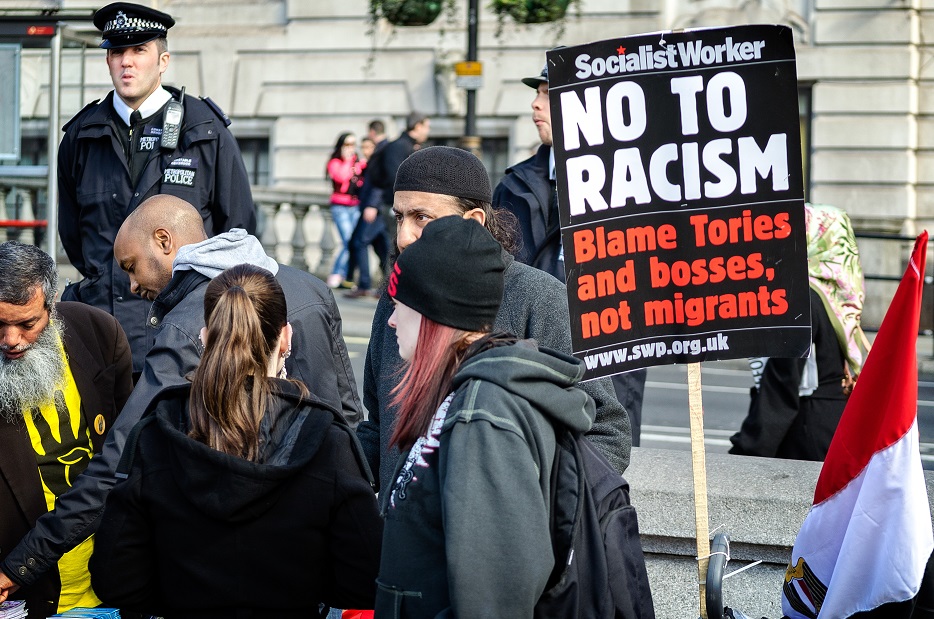
These attitudes are experienced by immigrants on buses, the underground, in the streets, at work, at university, in shops, churches and supermarkets – in every setting where that segment of the British population is present.
To make matters worse, the effects of increasingly harsh and restrictive anti-immigration policies introduced by the government have been added to the equation, making life more difficult and turning the United Kingdom into a kind of hell for many immigrants. Obviously, for those who ‘lack legal status’, everything is even more complicated.
It is easy, then, to understand the psychological impact on immigrants: permanent uncertainty, plans that must be abandoned, forced returns to their countries of origin, the fear of not finding work or of being dismissed, studying with the near certainty that they will not be able to remain, and the many obstacles that prevent them from living in peace, however long they stay.
Of course, it cannot be said that all immigrants experience this reality, as many have become British citizens or hold indefinite leave to remain and have never suffered discrimination or xenophobia. Nor can it be said that all Britons are anti-immigrant (the narrow margin between the Leave and Remain votes in the Brexit referendum proves this; moreover, not everyone who voted to leave the European Union is anti-immigrant). There is also a strong anti-Brexit and pro-immigration movement within the British community, one that understands the importance of immigrants and the contribution they make to the United Kingdom.
 What is difficult to understand is how that conservative or far-right sector can be so harsh towards immigrants when, according to the Office for National Statistics (ONS), 4.8 millones people born in Great Britain live in other countries. They have homes, good jobs and access to healthcare services, and nobody makes their lives difficult or demands that they speak the language of the country in which they live.
Those anti-immigrant Britons should reflect on this: that they themselves enter and live wherever they choose; that they have benefited from immigrants; that they live in other countries without being discriminated against or treated as undesirable. They should also reflect on the fact that Britain’s history of invasions and colonial rule helped create the conditions of poverty and violence in many countries, forcing their inhabitants to emigrate.
Immigration is a necessity. And the United Kingdom itself stands as proof of that, being a product of successive waves of migration. A more humane view of immigrants and the reasons behind their journeys is urgently needed.
(Photos: Pixabay)










.jpg)












