
The earthquake devastation has reignited the demand for the return of Venezuela’s assets being held abroad, while the country is facing an emergency of limited resources due to international sanctions. The tragedy has opened up a new debate about the billions of dollars and gold reserves frozen outside of Venezuela.
 Stella Calloni
The United States and Great Britain should immediately lift the restrictions on billions of dollars in pesos and gold held captive since the beginning of the blockade against Venezuela in 2017-2019, as a gesture of justice and ethics in the face of the earthquake tragedy.
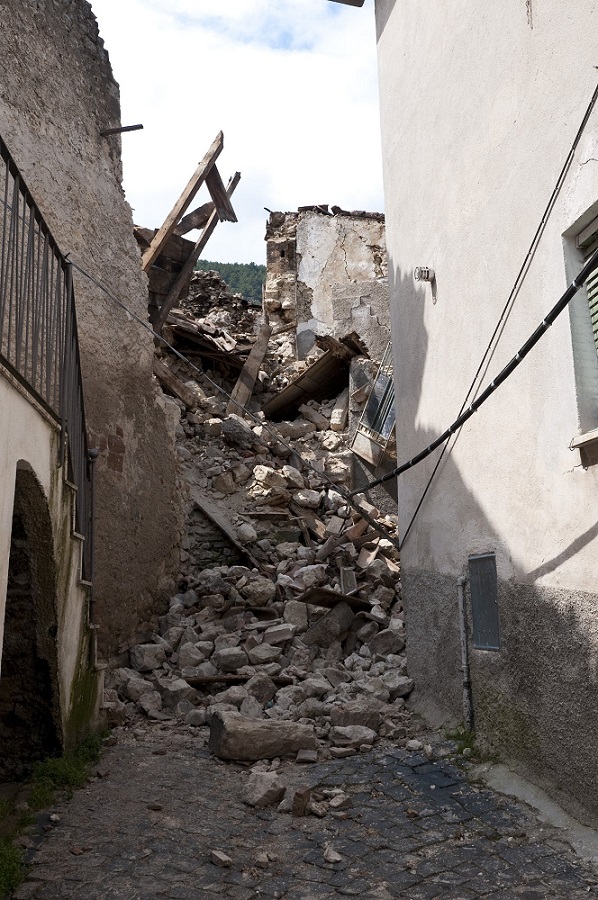
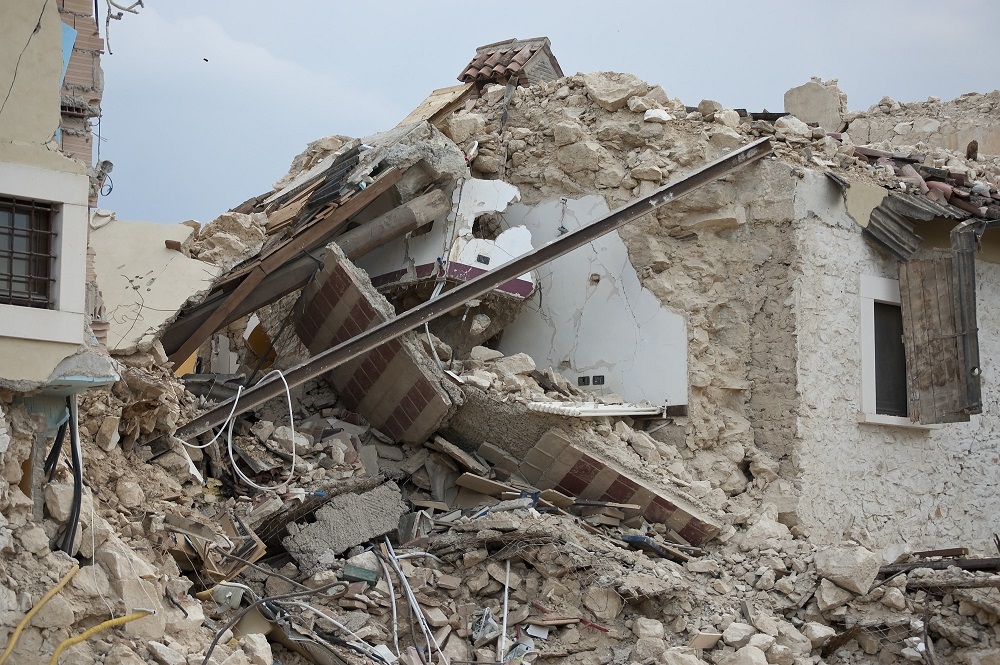
Two earthquakes struck in Venezuela, one after the other, with unprecedented damage to the capital itself and especially in La Guaira, which is a beach and touristy area. It has numerous high-rise buildings, many of which fell like playing cards, leaving a currently unquantified number of dead, missing and injured. Caracas and La Guaira airports were destroyed, and the roads cracked, preventing access by air and land to the area hit worst by the earthquake.
No country in the world can be totally prepared for this type of natural disaster; two powerful earthquakes, as happened on 24th June in Venezuela, and especially during an almost decade-long blockade.
Not to mention the surgical military operation that Donald Trump’s government ordered last 3rd January in the early hours; the kidnapping of the current president, Nicolás Maduro Moros, and his wife, Cilia Flores, leaving death and destruction in its wake.
After 3-4 January, Trump decided to assign the Secretary of State, Chancellor Marco Rubio, with his dark past and equally dark present, another task as “administrator” or “official” in Venezuela, as if this country was its own State, after recognising Vice President Delcy Rodríguez as the interim president.
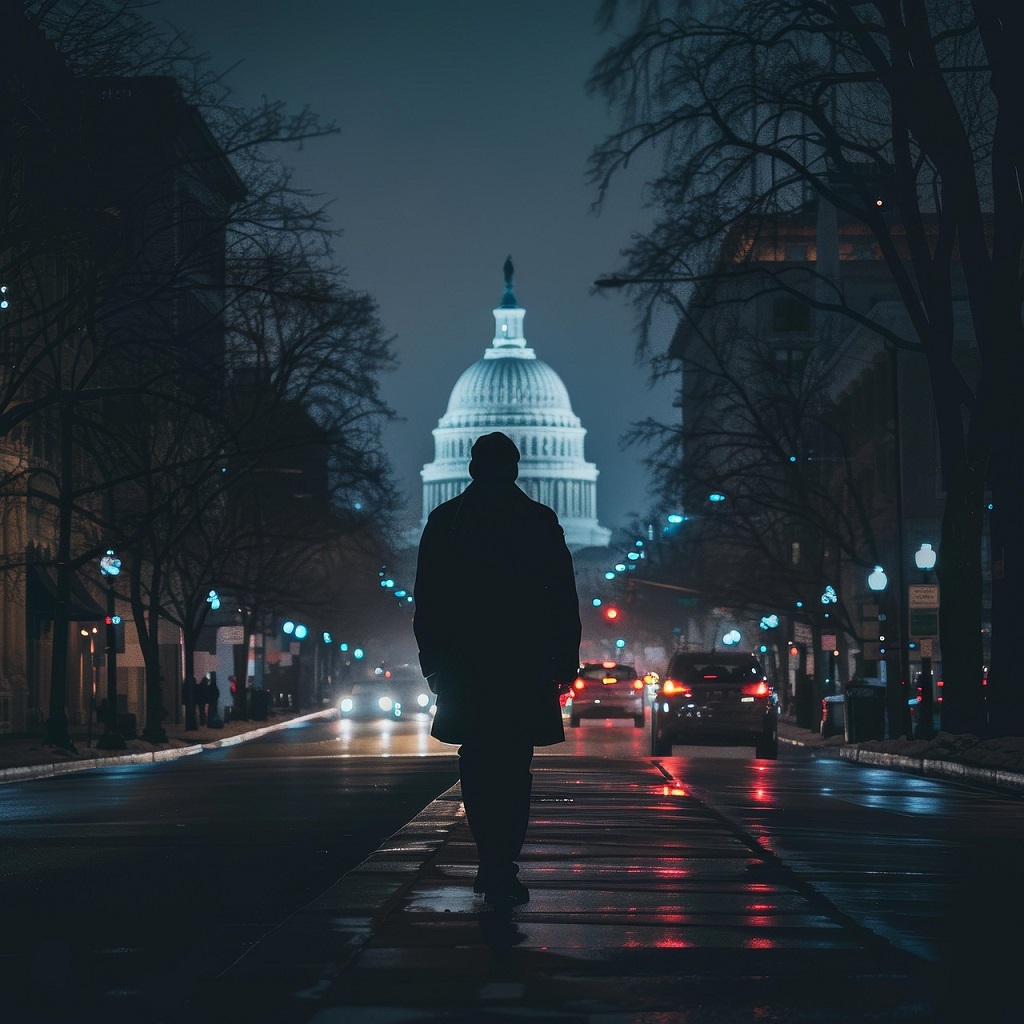
Trump’s government started to impose measures, such as controlling the money from the sales of Venezuelan oil into the U.S. Treasury, as well as controlling its oil reserves, the largest in the world. It called on private companies in the country to rapidly invest in Venezuela, and from then onwards one measure after another disregarded national sovereignty. There was talk of a “transition” government towards the so-called “democracy” of Washington, that is, so that the control of the country is ultimately in the hands of the U.S..
 A brief history
In 2014, the U.S. Congress passed the Defence of Human Rights and Civil Society Act, when the media was focussing on trying to remove Nicolás Maduro. Between the 2002 coup against President Hugo Chávez Frías, who was reinstated by the people and the patriotic defence forces 48 hours afterwards, and the failure of all later attempts, they thought that the Bolivarian Revolution would end with his death on 5th March 2013.
However, Maduro, Chávez’s successor, was elected in 2014, and from that moment on, all kinds of attempts to remove him have taken place, including thwarted assassination attempts and armed invasions. The 2014 law set a precedent for restricting business with the Venezuelan state. In 2015, President Barack Obama issued an Executive Order declaring Venezuela an “unusual and extraordinary threat” to U.S. national security. In 2017, during Trump’s first presidency, Venezuela was prohibited from taking on new debt, setting a precedent for restricting its access to U.S. financial markets. In August 2019, under Executive Order 13884, an economic and commercial embargo was imposed, freezing all Venezuelan government assets and prohibiting any commercial or financial transactions.
It is estimated that there is around $5 billion trapped in international banks due to U.S. and European sanctions and financial embargoes. These include assets, such as gold bars, valued at around €1,359 billion which are being held at the Bank of England and large sums deposited in institutions in Portugal, Japan, and the United States—funds totalling billions of dollars that must be returned to Venezuela.
 Venezuela’s largest refinery, CITGO, located in the United States, was also confiscated and sold for $5.99 billion to the American company Amber Energy, when its real value was estimated at $15 billion. Astronomical figures, even though a blockaded Venezuela could not sell oil nor buy products from other countries under imperial control.
How many millions of dollars did Venezuela lose during the blockade, which has still not been lifted? Millions of dollars from what was confiscated in banks, like one in Portugal where more than $11 million dollars had been deposited to purchase medicines. Its entry into Venezuela was impeded, violating the human rights of the entire population.
At this time, the United States maintains that it has unblocked the funds allocated by the Venezuelan government to address natural disasters, which had also been confiscated. The world should demand compensation for all the funds confiscated from that country.
Venezuela needs the world’s solidarity at this time, but also the international justice that has been denied to it for over a decade. This includes punishment for the media war that condemns the people of countries that are simply demanding respect for their self-determination, after centuries of domination and looting.
 The Venezuelan government must control the sale of its oil and all its products. It is not the 51st state of the United States, and the world cannot allow this country to demand concessions that will turn the Bolivarian Republic into just another colony of North America or anyone else. PL
(Translated by Donna Davison – Email: donna_davison@hotmail.com) –Photos: Pixabay










.jpg)












