
Nazism tends to be mostly written about and situated in the context of World War II and the Holocaust.
 Sean Sheehan
What tends to be underplayed is the extensive network of concentration camps within Germany itself and eastern Europe that relied on slave labour and the application of the profit motive to a degree previously unimagined.
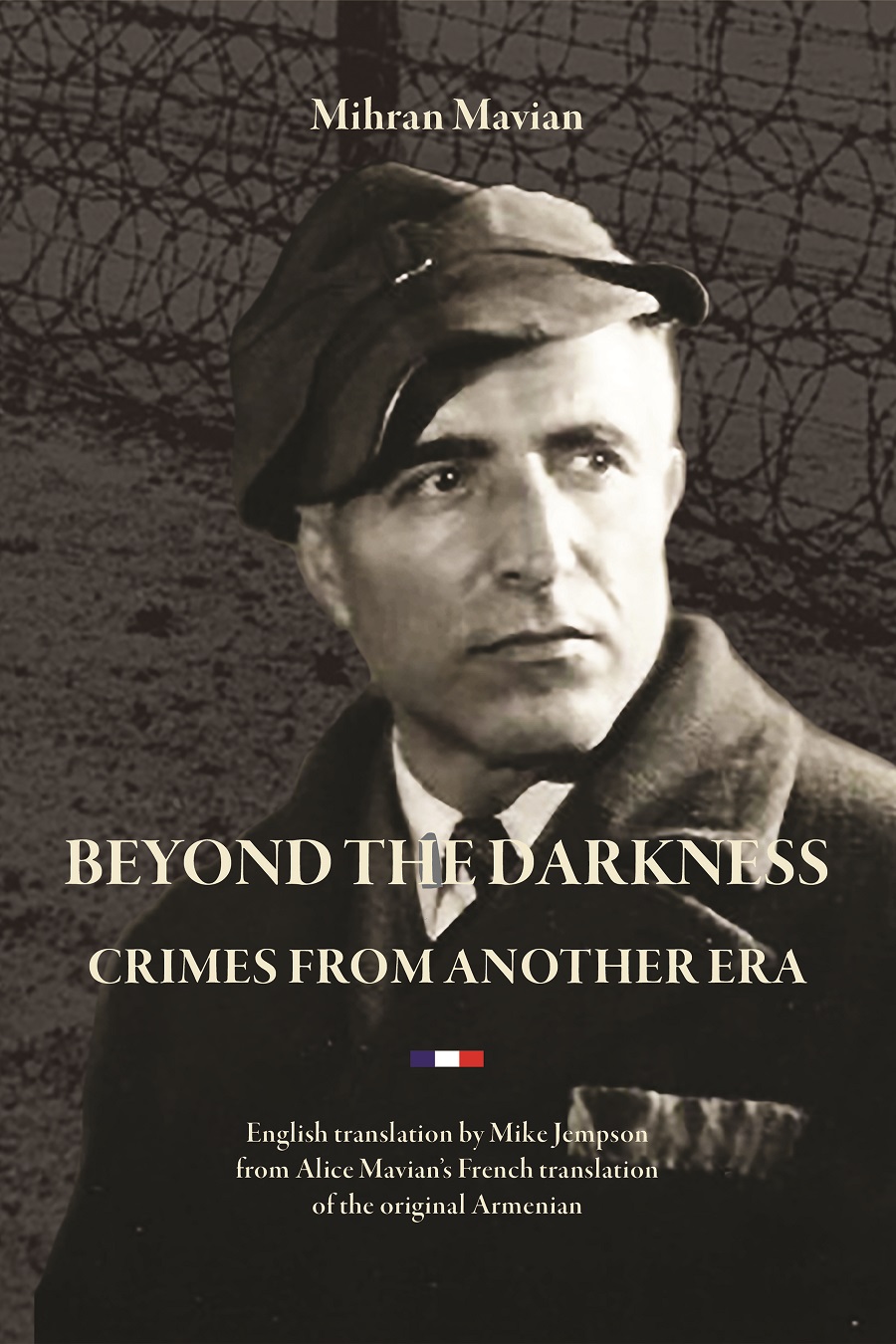
Mihran Mavian, a survivor of the Armenian genocide, helped bury his mother in the Syrian desert that Armenians were driven into without water or food by Turkish forces.
As a citizen of the fledgling Armenian Soviet Socialist Republic, established in 1920, his fidelity to communism remained undiminished.
He was working as a shoemaker in Paris when the Nazis invaded in 1940 and, four years later, he was rounded up in the hunt for those working for the French Resistance and dispatched to Compiègne, “an antechamber to the Nazi death camps” as he rightly labels it.
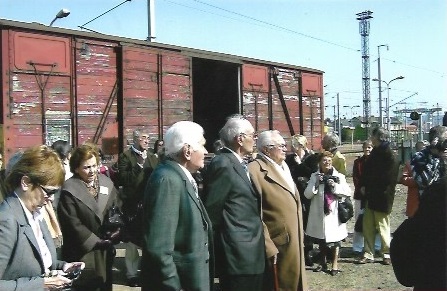
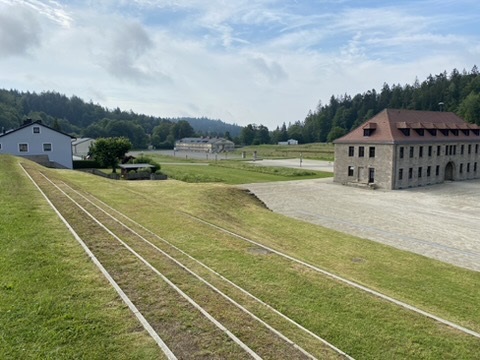
From Compiègne he was transported to Auschwitz – “the name meant nothing to us” – a death camp but also a myriad complex of work camps. After a month he was moved on to Buchenwald and then Flossenbürg. Situated close to the Czech border, Flossenbürg, was a concentration camp that first housed German Communists and remained reserved for mainly political prisoners and others deemed undesirable.
What Mavian saw and endured there makes for painful reading.
He knows he was lucky not to have died working in the quarry he found himself in and recalls the kapo in charge who killed those he judged to be slacking by hitting them on the head with the piece of stone that he always carried in his hand: “We had to carry the dead back to camp. The count had to be accurate. The large number of bodies did not make them feel guilty; on the contrary, it excited them”. He sees for himself howRussian prisoners were treated the most appallingly of all and describes the gruesome ordeal of being forced to watch executions by hanging. By early 1945, when the defeat of Nazism was imminent, the camp becomes overcrowded with prisoners from Auschwitz and Buchenwald.
Mavian witnesses the cold-blooded slaughter of all Jewish people in the camp and the start of a forced withdrawal of other prisoners on a death march. He is one of the lucky ones who survived, weighing forty kilos when finally liberated by Allied soldiers.
“Beyond the darkness” is an invaluable work of non-fiction and Mike Jempson, the translator for the English edition, also provides a vital set of endnotes to accompany the text.
The book reminds readers of the capitalist logic – one that facilitated German industrialists’ support for Hitler’s rise to power – perverted by Nazism and allied to a deadly white supremacist mentality.
“Beyond the darkness: crimes from another era”, by Mihran Mavian, translated into English byfrom Alice Mavian’s French translation of the original Armenian, is published by Gomidas Institute.
(Photos supplied by Mike Jempson)










.jpg)












