
A British mining company is contaminating the drinking water of over 100,000 people in the south of Peru. The Prisma documents how the extraction of metals needed by developed countries to achieve fossil-free energy leads to environmental degradation in the southern hemisphere and questions the sustainability of UN Development Goals for 2030.
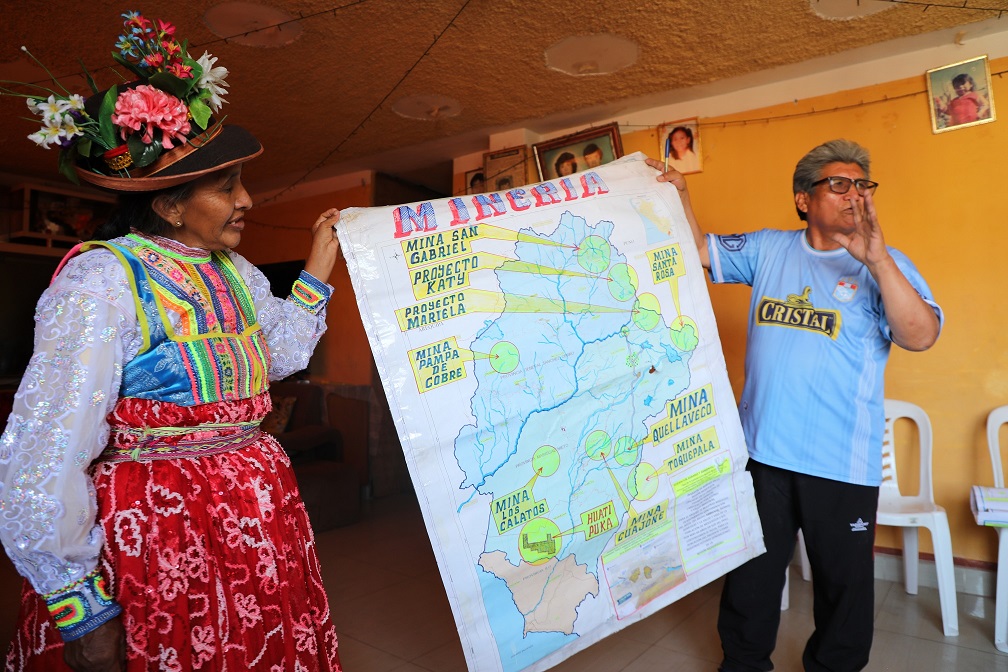
Pablo Muñoz
In April 2015, Paula Caballero published a short article in the blog of the World Bank about the global consequences of pollution. The Colombian diplomat spoke about the need to act against contamination, because its effect on water, air and cultivated land was then causing around nine million deaths globally. The most recent figure, from 2021, is 12.8 million.
In reality, Caballero wrote about a topic that for some time she had wanted to bring urgently to the attention of the United Nations (UN). As the senior director of the World Bank Environment and Natural Resources Global Practices, between 2014 – 2016 her work was closely linked with the UN General Assembly of 2015. At that time, based on her efforts the Sustainable Development Goals were approved, better known as Agenda 2030.
The agreements were approved unanimously by the 193 member states of the UN in September 2015. They include 17 objectives which form part of a declaration of voluntary ethical and political commitments to deal with issues as compelling as the elimination of hunger, gender equality, climate action and access to clean water. Thanks to this, many states, chiefly in the rich world, have carried out an accelerated investment in renewable energies in recent years.
The Sustainable Development Report monitors the progress of countries towards the fulfilment of the objectives of Agenda 2030. The UK is ranked eighth in the list. Its efforts towards renewable energy, for example solar, remain inhibited by lack of the infrastructure required to store and transmit this energy. Ed Milliband, the Minister for Energy Security and Net Zero, said in 2025, that he would be focused on a “Rooftop Revolution” while dealing with planning restrictions, and obstacles to improving the electrical grid and supply cables.
To overcome these barriers, it is estimated that the quantity of mineral resources necessary, such as lithium, graphite, cobalt, aluminium and copper – among others – will increase rapidly In the case of copper for example, it is calculated that the quantity required in 2035 will be 20 times greater than that used in 2024. So far in 2026, 12% of the world production of copper – one of the minerals that the UK considers critical for its growth and economic development – has come from Peru, the second biggest producer of this metal after Chile.
Winners and losers
In its 2025 assessment of the development of the Nordic countries towards implementing Agenda 2030, the Sustainable Development Report notes that these countries – which are among the most advanced in implementing its goals – are at the same time catalysts of the negative impacts that the objectives of the Agenda are having in other countries.
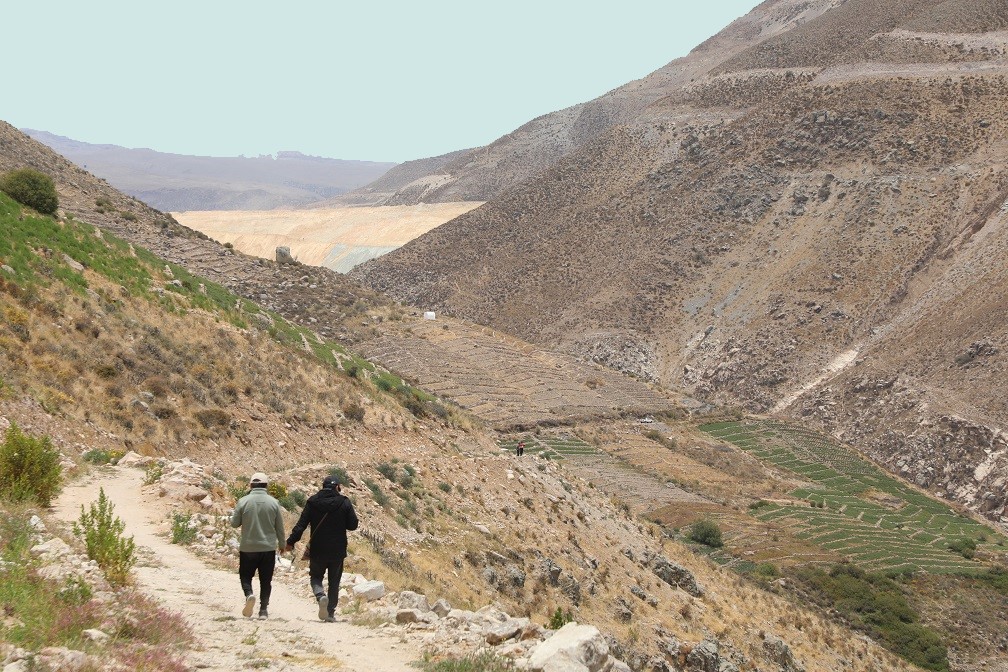
The global ambition to reach the ecological transition appears to have both winners and losers, in which the countries that produce the raw materials for economic development are usually those who benefit the least.
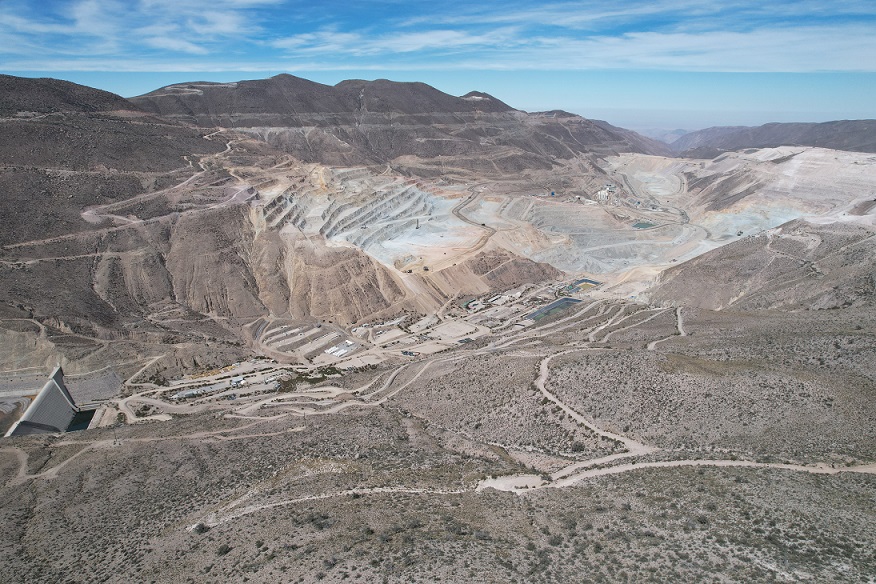
Given this situation, The Prisma has investigated a case in Peru: in Moquegua, in the south of the country, a copper mine which aims to be among the most important in the world, the Quellaveco mine, is operated by the British mining company Anglo American. Following the privatization of national resources by the government of Alberto Fujimori in the 1990s – something which Harold Macmillan described in the case of Margaret Thatcher’s privatizations as “flogging the family silver” – Anglo American acquired the mineral deposits in 1992 for US$ 12 million. Since then, Anglo America Quellaveco (AAQ) has begun preparations for the extraction of metals from the deposit. As part of this it established a Round Table in which the central and local government and civil society would participate along with local communities and the private company. From this starting point the Quellaveco mine was born in 2012, with 26 commitments agreed, aimed at protecting the environment in the area of mining activity.
For the Quellaveco mine to function, it required the diversion of the Asana River – the principal water source for the city of Moquegua with some 100,000 inhabitants 35 Km south-east of the mine, for which the town requested the inclusion of Article 11. According to this, the company was required to build a dam of 2.5 million cubic metres water capacity upstream from the point at which the river would be diverted, in order to safeguard the water quality.
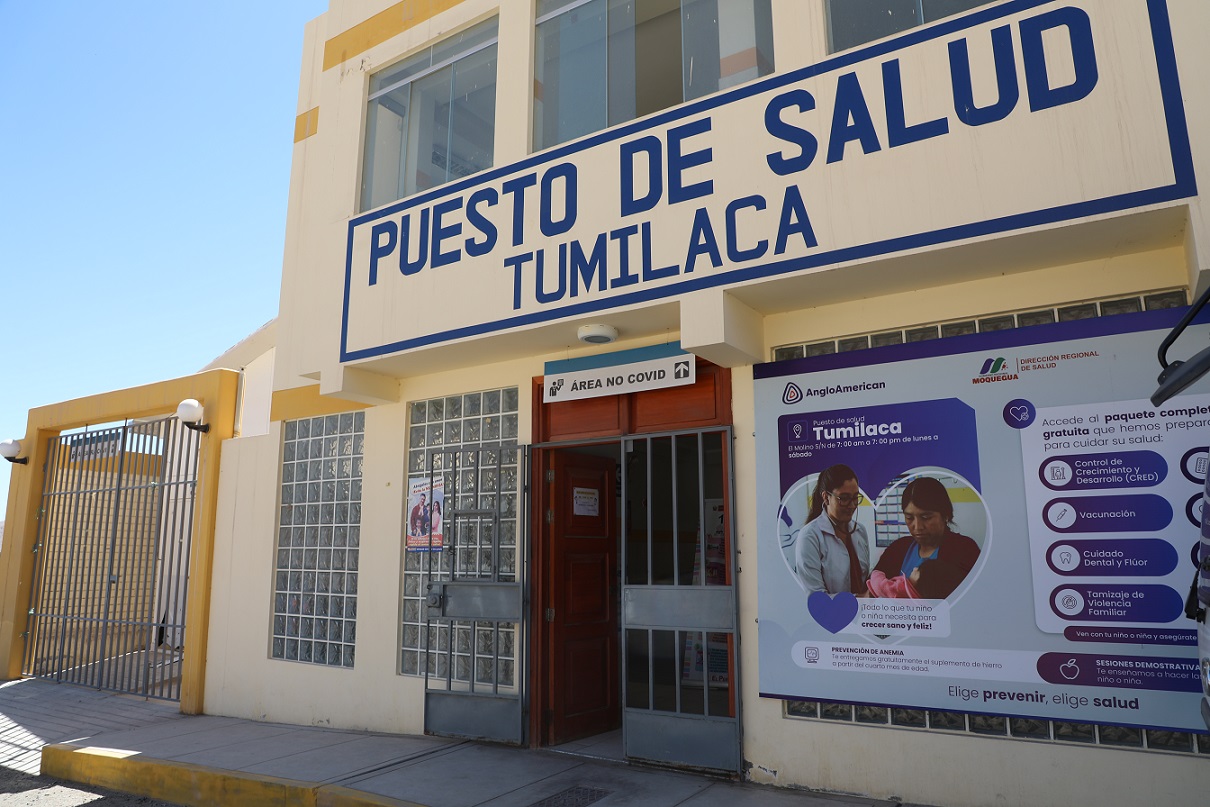
The company – which is beginning the fourth year of mining operations without yet having built the dam promised in 2012 – carries out Participatory Ambiental Monitoring (MAPs) jointly with the official authorities and citizen representatives – through the Quellaveco Monitoring Committee (CMQ). According to AAQ, these have “produced results in accordance with the environmental monitoring carried out by the National Water Authority (ANA) and the Organism for Environmental Evaluation and Control (OEFA)”, the official Peruvian organisms for monitoring mining activity.
Since, at the close of this note, the company itself accepts acknowledges having met only eight out of the 26 agreements, groups such as Red Muqui (a network of Peruvian institutions that works for the rights of people affected by mining activities), the Agrarian and Environmental Federation of Moquegua (Facaremoq) in Peru, and the London Mining Network (LMN) y Perú Support Group in London, Federation of Moquegua (they are working to ensure that the company fulfils Agreement 11.
On the 29th of April this year, representatives of Red Muqui, together with the Peru Support Group and the London Mining Network attended a meeting of Anglo American shareholders in London. There they expressed their non-acceptance of the actions of AAQ concerning the environmental and social impact in Moquegua, as well as their concern that even 14 years after committing to build the dam on the Asana River, the company has still failed to do so.
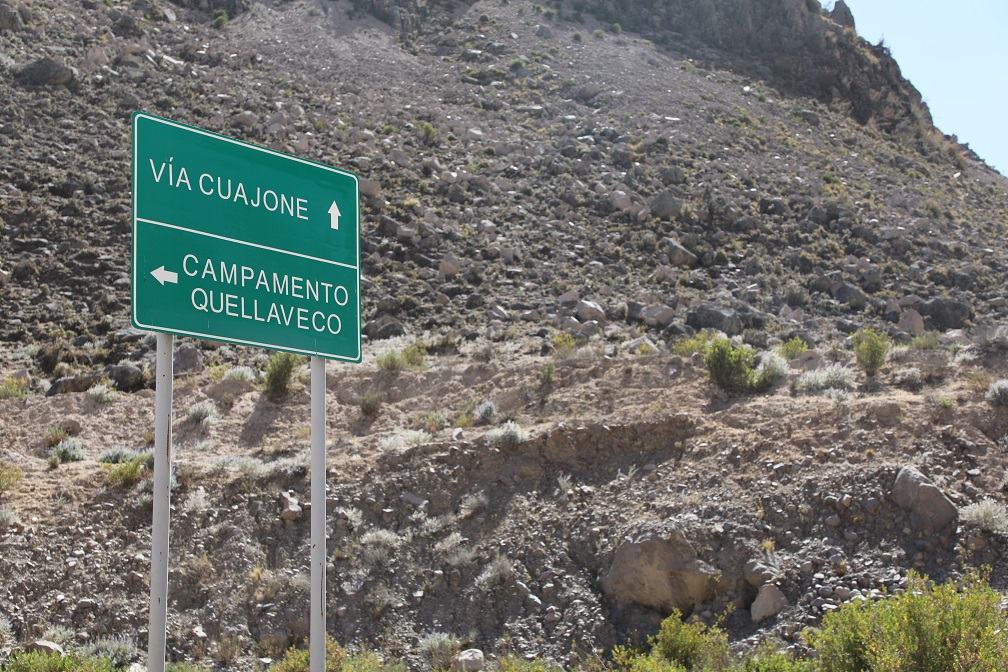
On the same day, LMN organized a conference at University College London (UCL) which The Prisma attended. Speakers included Edwin Alejandro, representative of Red Muqui, and Lucio Flores, president of Facaremoq, who described the collateral environmental damage to the environment and to water quality caused by AAQs mining operations. They also presented a study carried out cooperatively by the communities of Moquegua, Red Muqui, Facaremoq, DHUMA, TerraJusta and LMN.
This report described the environmental degradation that AAQ has brought to the area and emphasized their non-compliance with the agreements, which constitutes a reason for the Peruvian Government to halt the mining activity, as stipulated by the Final Statement of the Round Table of 2012.
As Edwin Alejandro said to The Prisma, AAQ must state “firmly” when it is going to start building the dam, because “if not it means that they are lying to us”. In his view, the company has continued making false promises for years, dodging the issue. However, in July this year the company announced the start of dam building on the River Asana.
The Prisma also spoke with representatives of Red Muqui y Facaremoq to understand more about the promises made by AAQ and other aspects of the socio-environmental problems. This conversation and [an account of] the situation there, will be published next week in our second report.
(Translated by Graham Douglas) – Photos provided by Red Muqui and authorised for publication in The Prisma










.jpg)












