
The term “fascist” is often misused to label anyone with right-wing views, including figures like Emmanuel Macron, Donald Trump, Narendra Modi, Giorgia Meloni and Recep Erdogan. Clearly defining fascism is crucial; we cannot effectively combat an enemy we cannot recognise.
 Yonatan Mosquera
To defeat fascism, we must first understand what it truly is.
The term “fascism” originated in Italy in the 1920s, but Mussolini’s regime was not the first repressive government in history. Human societies have faced oppressive rulers for millennia; in fact, the participation of the people in politics is a most novel development, with absolutism being the norm for much of history. If we define fascism simply as “repression,” we might be misled to conclude that all governments since ancient Sumer, around 6000 years ago, share fascist traits, with Mussolini merely naming it.
This conclusion, however, would leave us ill-equipped to combat fascism as a specific and modern form of repression, and it represents a critical error that would be paid in blood by the masses of the people.
So, what unique conditions in the early 20th century allowed fascism to flourish that were previously absent? The key change was the rise of mass political participation. Although voting rights were still largely restricted to men, and the Italian King maintained a degree of executive authority, trade unions began to take shape in 1906, along with the establishment of political parties in 1895.
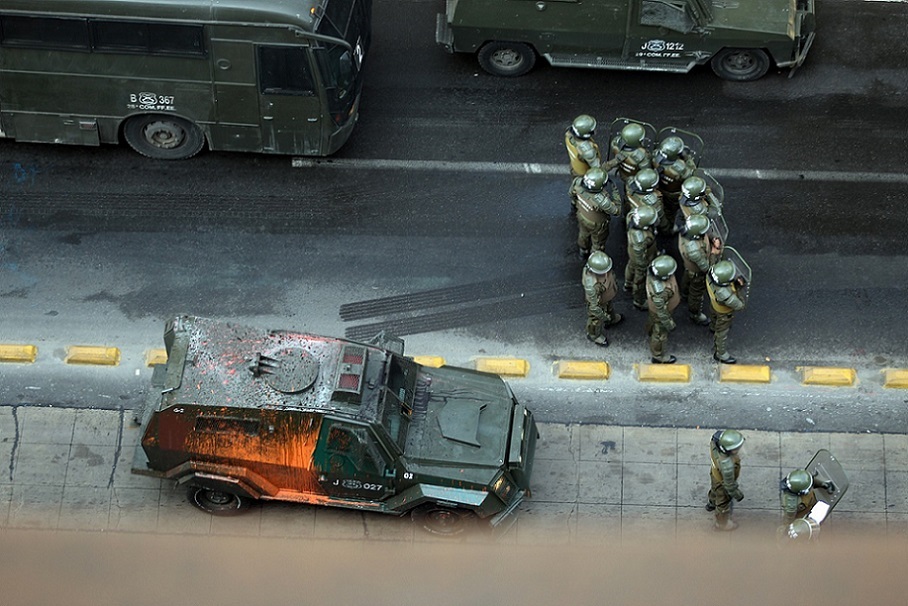 Similar patterns emerged across Europe. Democracy, albeit limited, began to take root, introducing the new concept that “the people” could have a voice in the governance of their society.
When democracy is absent, fascism has no need to arise
For the first time, rulers found themselves needing to consider the opinions and emotions of the masses. Before this shift, authoritarian figures could govern through elite systems such as constitutional monarchies, absolute monarchies, or pseudo-parliaments accessible only to the wealthy. The new democratic institutions emerged as tools for the ruling classes, helping them maintain some stability within their regimes, while also acting as a means to gauge public sentiment and obscure the underlying nature of a bourgeois state, which, regardless of its democratic facade, inherently supports the supremacy of capitalist interests.
Fascism arose when these democratic institutions could no longer mask the true nature of the bourgeois state or convince the populace of the status quo‘s “stability.” The aftermath of World War I and the devastating crisis in capitalist production that followed compelled the ruling class to act ruthlessly.
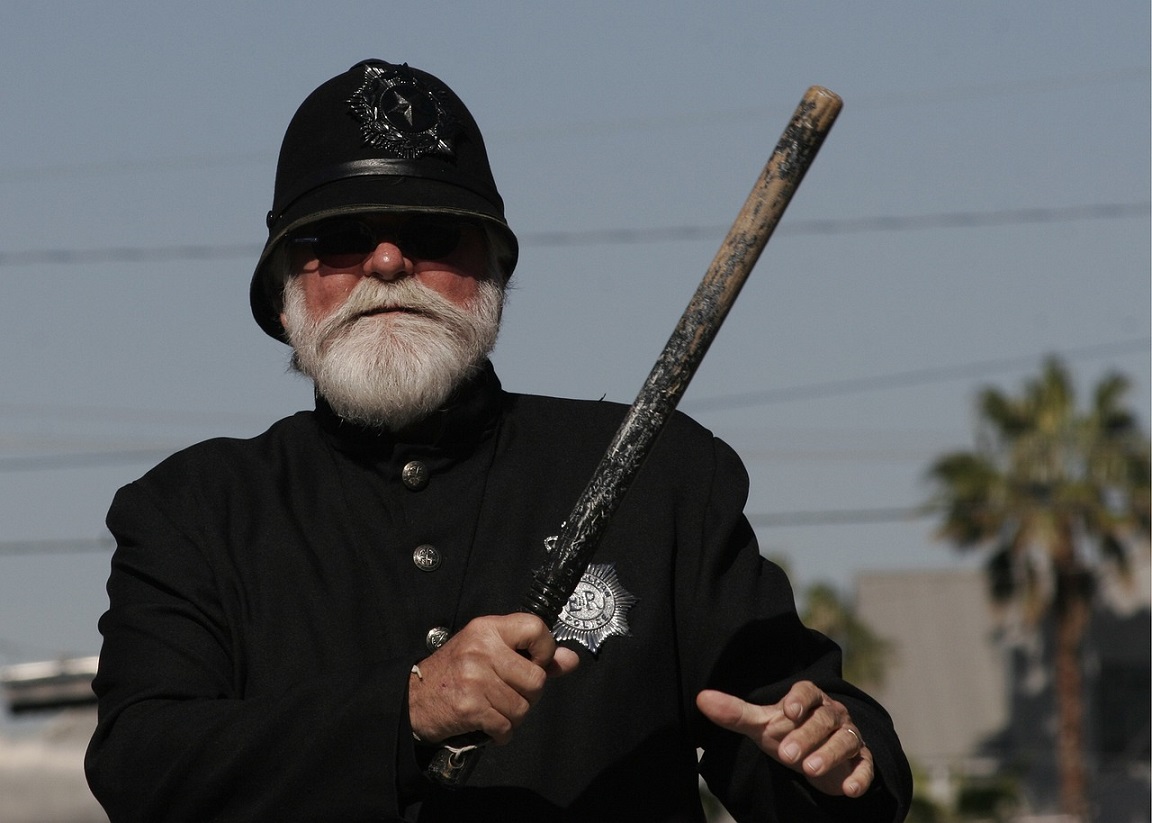 They needed to squeeze the pockets of the working and peasant classes to mitigate their crises and prepare for future wars driven by imperialist competition.
This shift led to a demand for total control over the masses; the democratic institutions became an obstacle.
“The era of the crowd”, promoted by Gustave Le Bon, who greatly influenced Mussolini, became a relevant concept.
To destroy the masses’ ability to resist despots, it was now necessary to take into account “the crowd”, the ability to think and act as a collective. This was the new problem, never faced by the tyrants of previous eras.
Destroying the crowd’s soul
To brutally exploit the labour of peasants and workers in this emerging democratic landscape, mere repression of their institutions proved insufficient. It became necessary to diminish their collective spirit and replace traditional institutions with a model of “corporatism,” which Mussolini defined as “an alliance between workers and the corporation under the guidance of the fascist state.” This required not just alteration but the hollowing out of the people’s inner essence, surrendering all power from the masses to the capitalist and landlord classes. “Fascism envisions the state as an absolute entity; every individual is defined in relation to it.”
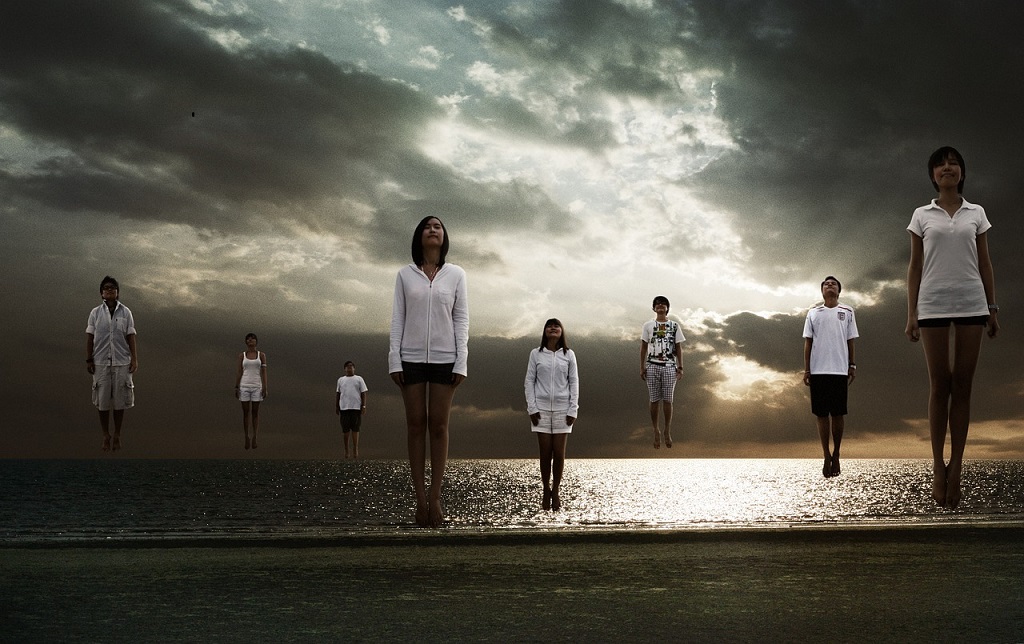 A fascist regime becomes viable under two critical conditions. First, the masses engage actively in political life through structures like parties and unions, accompanied by a semblance of democracy. Secondly, this democracy—initially intended to manage class struggles on behalf of the ruling classes—ceases to be a trusted tool for those in power to mislead the working population.
Which social class is called upon by history to lead the struggle to establish this new state? How do the traditional ruling classes react at first to the fascist “revolution”? Why did Mussolini come from the Socialist Party, and why was Hitler’s party called the “National Socialist Workers’ Party”? We shall discuss these questions in the next article, “Fascism, a plebeian revolution”.
(Photos: Pixabay and Pexels)
Serie de The Prisma: ‘Fascismo’
Defining fascism, defeating fascism










.jpg)












