
Cova da Moura is again threatened by cultural conflicts imbued with racism and the pressure of powerful interests willing to destroy a community in the name of a ‘regeneration’ that would only benefit property developers. Resistance aims to set up a Community Land Trust and to build on the Intangible Cultural Heritage that their annual festival has gained.
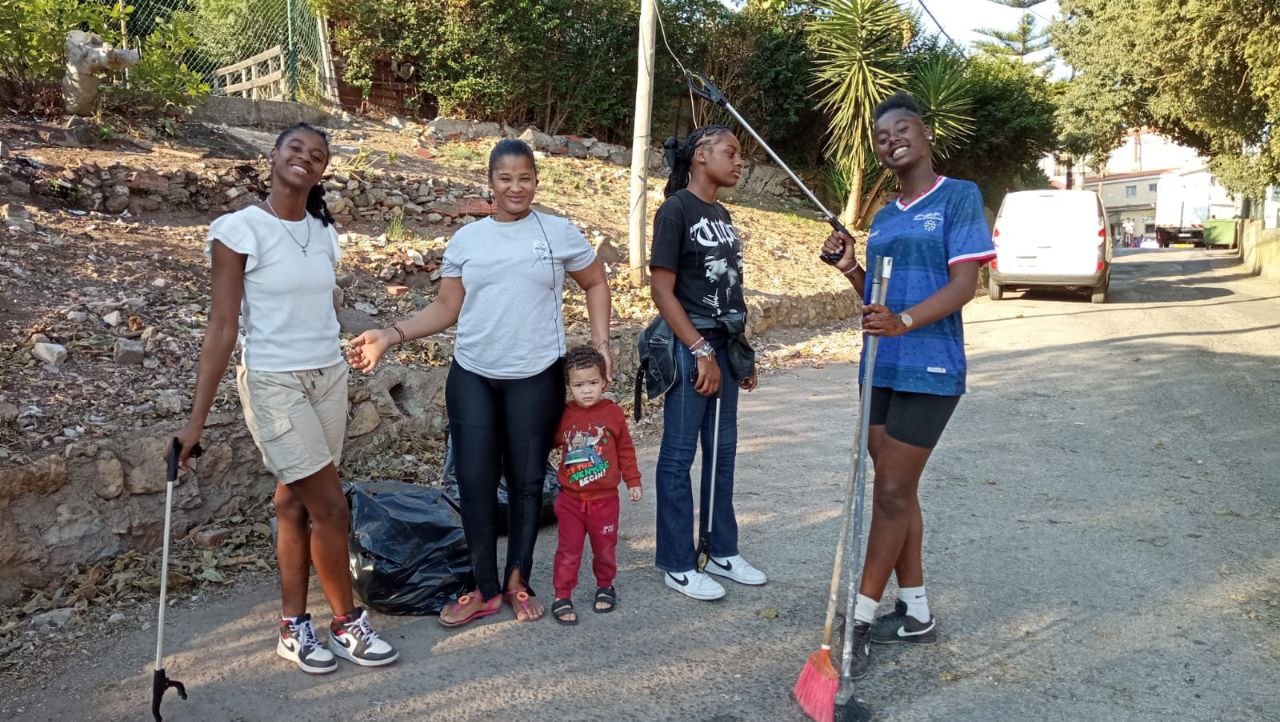
Interview and photos: Graham Douglas
Cova da Moura was born in fragile circumstances and has had to fight to become the vibrant community it is today. But the stain of ‘illegality’ still haunts the area, and more so now because of the housing crisis in the Lisbon area, and the rise of the extreme right anti-immigration party Chega.
Portuguese law gives protection to the residents as lawful occupiers as they have lived here for more than 20 years, but there are also plans to regenerate the area which have been discussed for many years. And the plan favoured by the residents which would maintain and improve the existing community clashes with one favoured by the local Council to tear it all down and build middle-class housing for private sale.
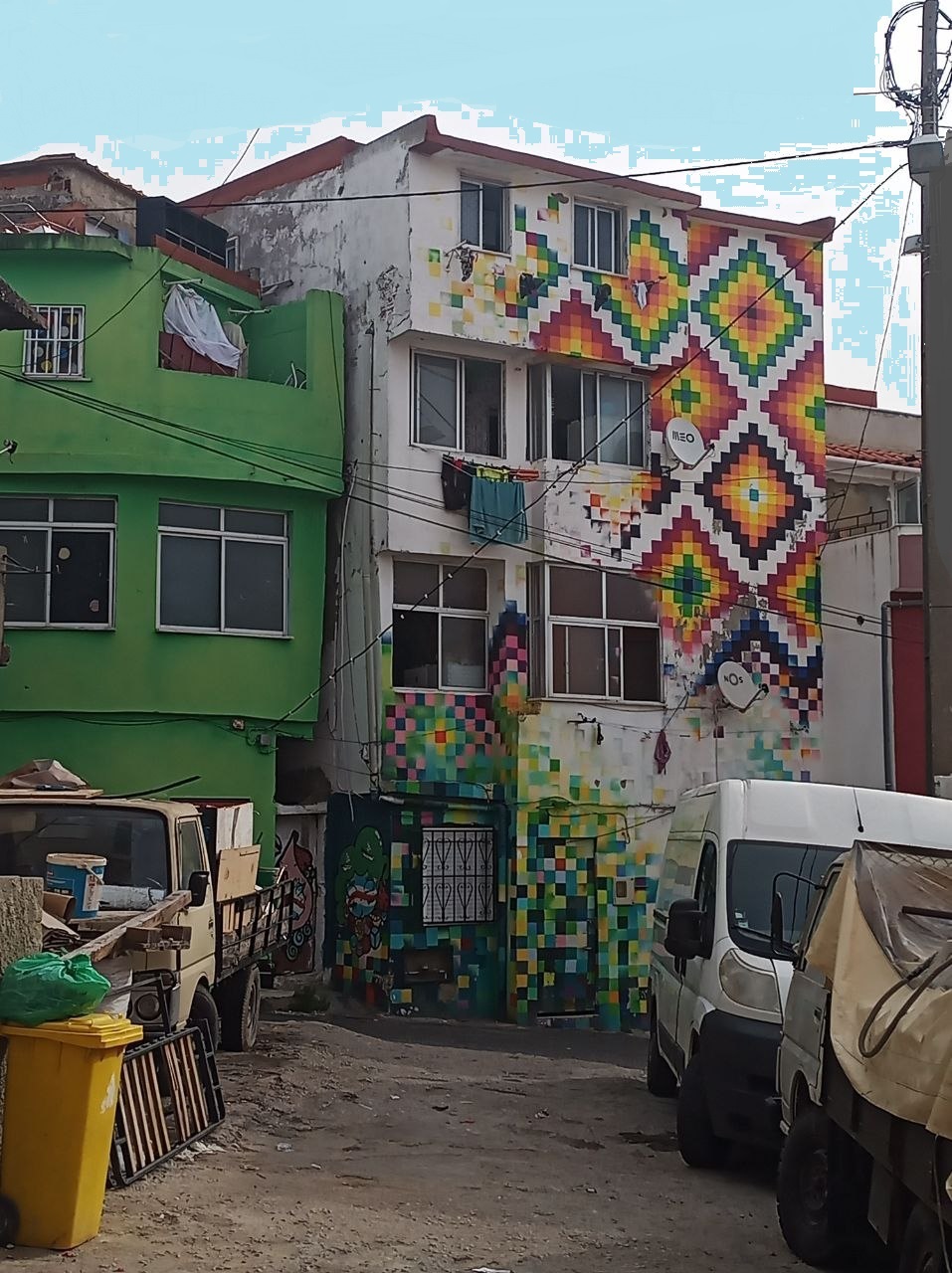 Cova da Moura, like other places suffers from the stigma of being seen as a problem area disconnected from the rest of the urban community. But the image that Cova da Moura projects goes far beyond the ghetto image, as can be seen, for example, in the annual Kova San Jon festival. This Festival reflects the strong Cabo-Verdean community, which brings together traditional music, dances and processions in a 3-day festival This year the festival has seen its worth as “Intangible Cultural Heritage” in Portugal officially renewed, a recognition that it first received in 2013. Godelieve believes this will be an important support for maintaining the community, because the link between the festival and the physical neighbourhood is explicitly acknowledged in the official Government Paper “Diario da Republica” from 16/10/2013.
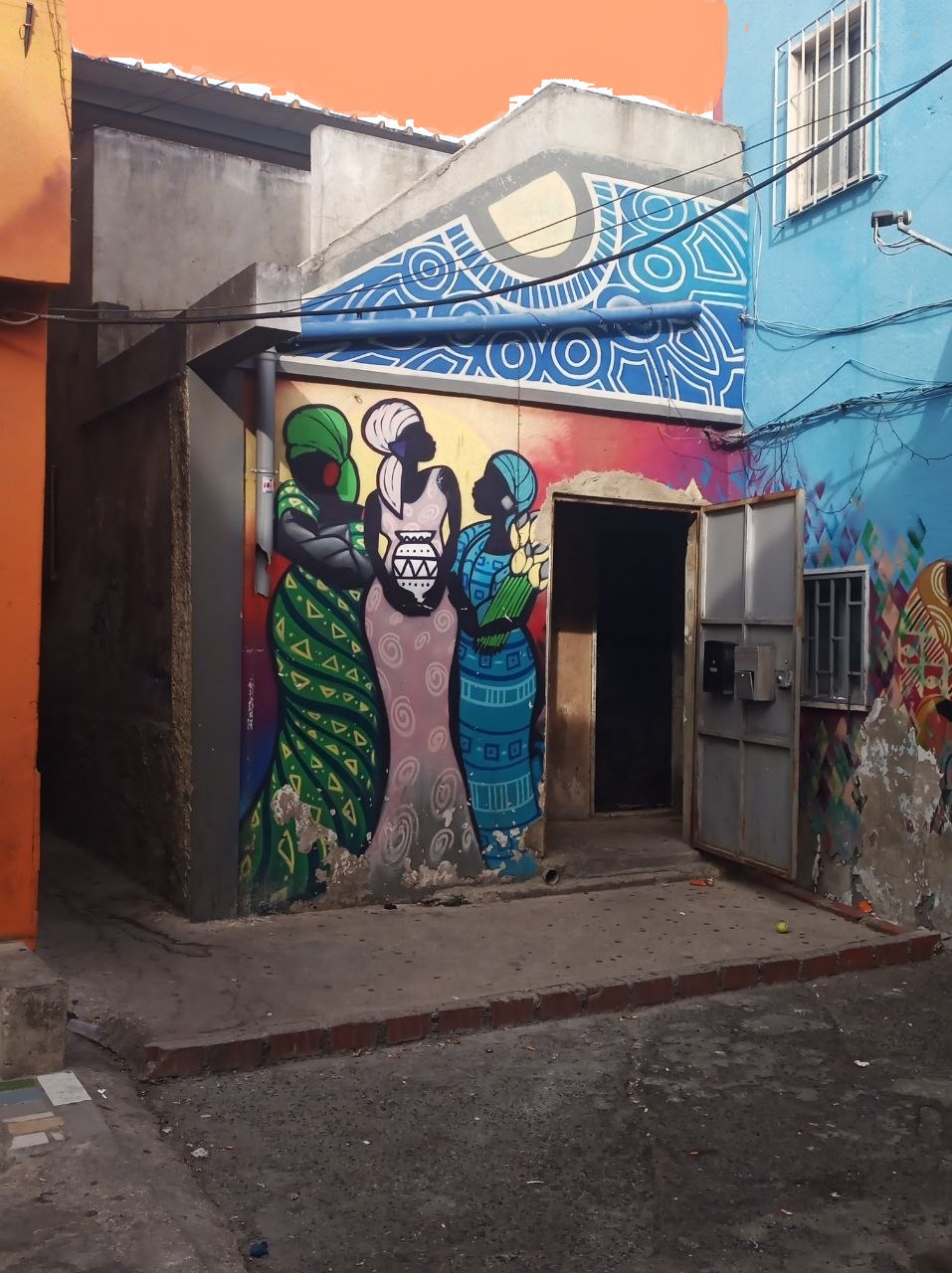
The community of Cova da Moura has its own Batuke group called Finka Pé, a dance-and-percussion art which is a cultural expression of Cape Verdean women which was banned before 1974 by the Portuguese colonizers. Madonna made a show together with the “Batucadeiras” who live in Portugal.
A candidate for the PSD (she was rejected by Chega) in next month’s local elections said she would eradicate the whole area and use it to build middle-class housing – she used dramatic and threatening rhetoric reminiscent of Trump talking about Gaza. The situation here seems very precarious, is it possible that the Canas family can claim the land and evict everyone?
 No, because inhabitants have been here since 1978 and they have what is called ‘usocapião’ which gives the right to live here to the residents after 20 years, not to the landowner, and this period was passed long ago. Everyone pays taxes for their house to the local Council and voted for the land to be taken over by the State. There was the possibility to do this, which was published in the Diario da Republica on 11/12/2003, but the local Council didn’t take it up.
So, this is a continuing problem?
There are three Associations here including the Moinho, united in the Comissão de Bairro, who have joined forces and want to set up a Community Land Trust (CLT) for the area. The racism in one of the associations has changed since the 1990s, they are more open for the multicultural community in Cova da Moura. A CLT is an internationally recognized way for residents to stop property speculation, and the three associations co-wrote a 300-page proposal with a group of architects from ISCTE (part of Lisbon University) which they will present to the local Council in October this year.
 And we have been doing complementary work to the CLT proposal, in conjunction with the Faculty of Architecture of the University of Lisbon since 2003. In 2007 the Faculty of Architecture presented a detailed dossier for the redevelopment of the area to an international competition. There were 3 applications in the international competition. Another was from an architect in Porto and the third from Vasco da Cunha an architect who was a friend of the leader of the local Council. The residents opted for the University proposal. There were 5 members in the jury, three from the local council (CMA), one of IHRU (a governmental organisation) and one from the “Comissão de Bairro” (the organisations of the neighbourhood). But the three jury members from the local council (CMA) had equal votes, so their choice for Vasco da Cunha won against the other two members.
The company of Vasco da Cunha went bankrupt, anyway, he made a very bad “first proposal” but was still paid for it.
The residents are in favour of the proposal of the Faculty of Architecture which would mean a regeneration of the bairro, block by block, whereas Vasco da Cunha’s plan is similar to one he put forward in 2001, which involved the demolition of a big part of the neighbourhood.
The regeneration project began in 2005, a huge project organized by the Secretary of State do Ordenamento do Território e das Cidades, Professor João Ferrão. There is a huge dossier of documents about it at the Faculty of Architecture and IHRU.
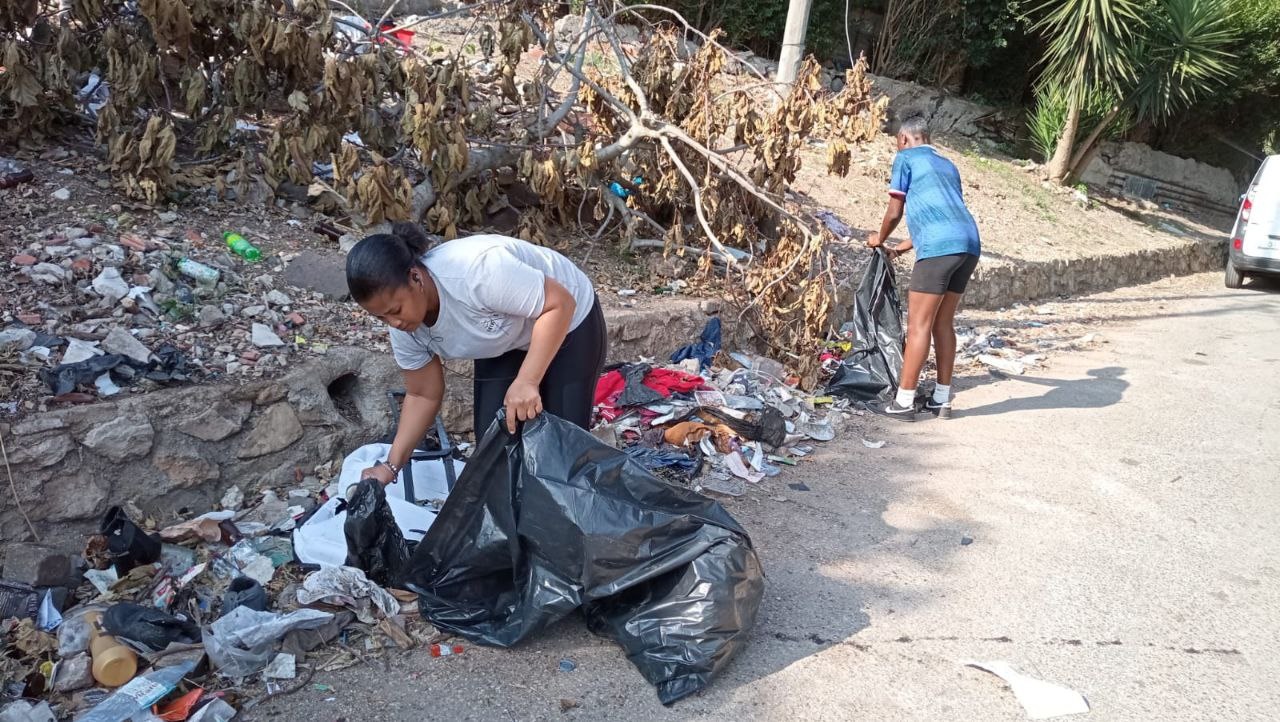
20 years ago – so how do things stand at the moment?
We are working on the Community Land Trust, and at the same time we are trying to promote the dossier at the Faculty of Architecture, because they complement each other.
Is there a risk that the local Council could move in and block everything you are trying to do?
Yes, this is the reason why I did an interview for SIC. We don’t know how things will turn out and these people have terrible ideas for our neighbourhood. We have a community in Cova da Moura with the motto “Djunta Mo” (join hands) where everyone helps everyone in solving community problems, so I am very concerned about the local elections next month. Also, because many evangelical churches are receiving money from the far-right.
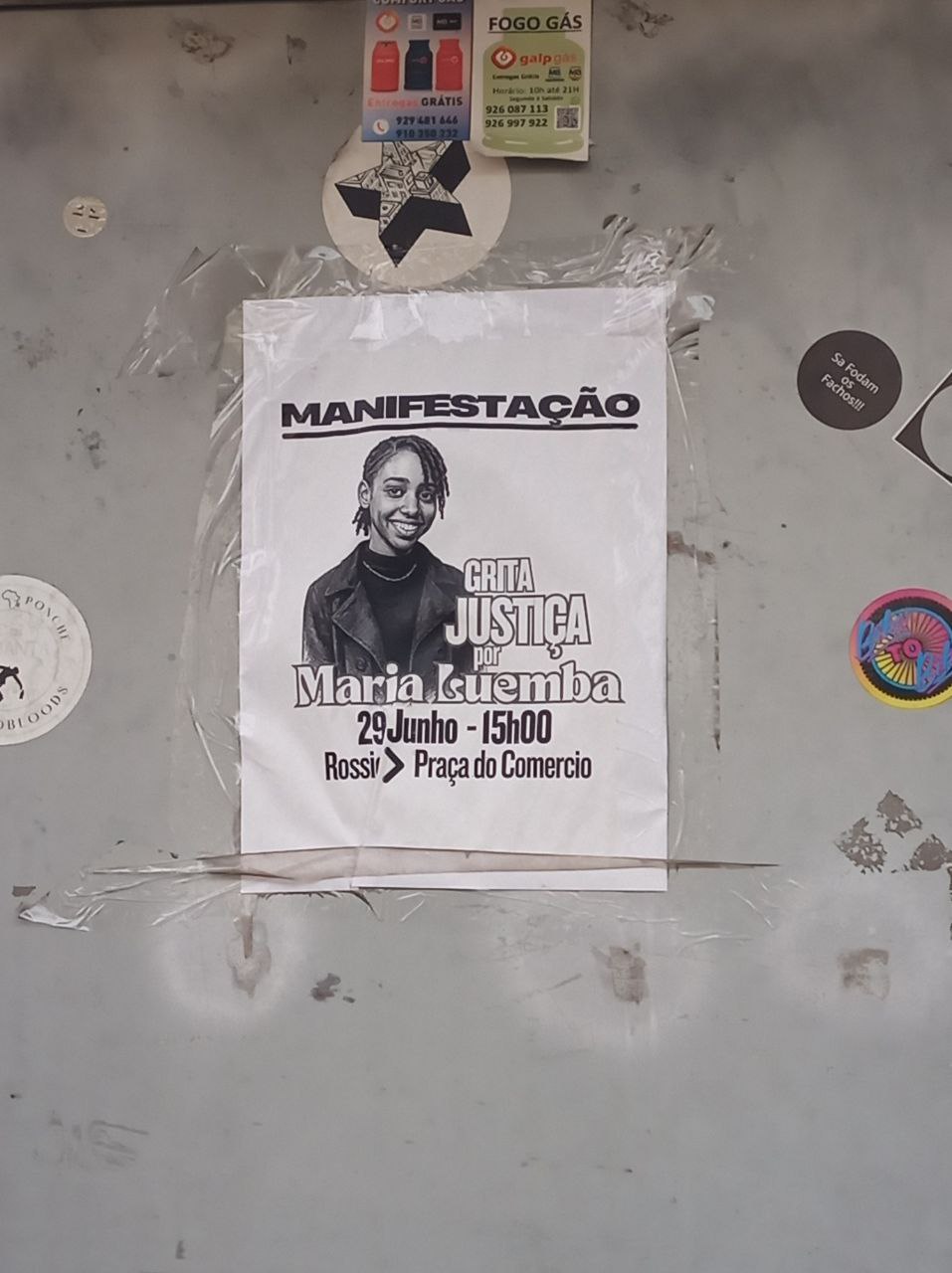 How are your relations with the local police, the PSP
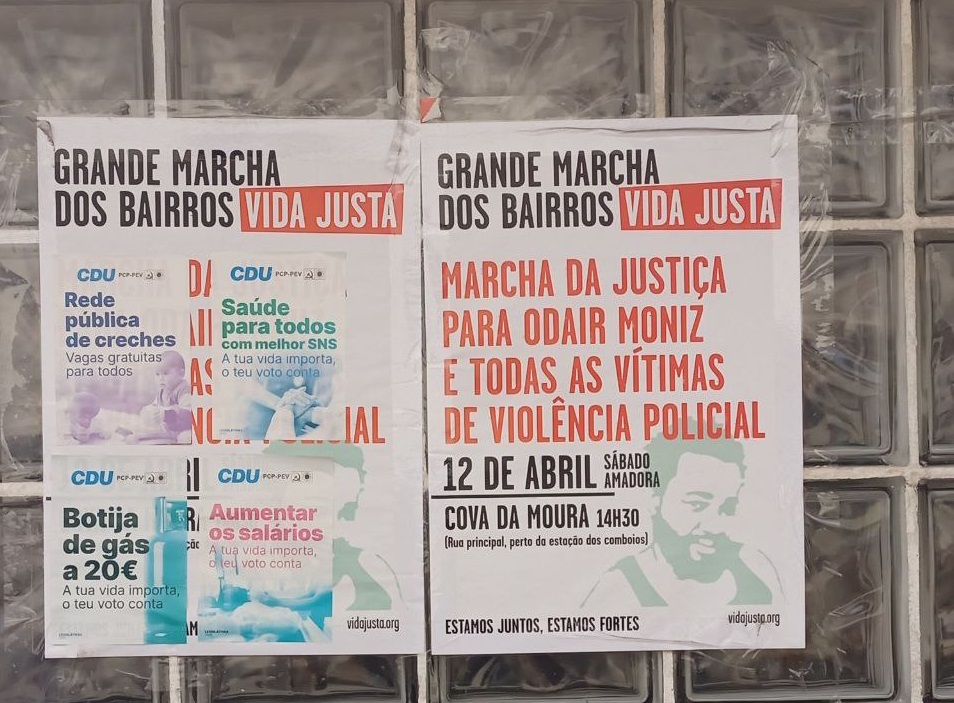
There have been many problems with the police. In December 2002 they shot a seventeen year old Cape Verdean boy, Angelo, in the back, and since then, there has been an increase in violence.
We discussed it with the police and told them we needed their help, instead of this kind of behaviour. In 2002 we talked to the Sub-Intendent for Amadora, and arranged a meeting with 35 police officers and 35 people from the Moinho.
The police were not in uniform, but they weren’t happy because they were ordered to take part by the Sub-Intendent. However, we achieved a good contact by getting to know each other, each police officer paired with an inhabitant of Cova da Moura. Afterwards we had a beautiful dinner provided by the residents and the police enjoyed it so much they didn’t want to leave at 1.00 am!
After that we got on well and we could call them if there was a problem. But in 2012 a new Sub-Intendent took over and things became difficult again.
Some bad things happened. In 2015 the Coordinator of the Moinho, Flavio, who is also part of Vida Justa was assaulted, along with five other residents. But this time the policemen were brought to trial in 2017, and eight out of 17 police officers were found guilty. There were three judges and the chief judge said she wished that the police wouldn’t tell so many lies, because they said something happened in one place when all the evidence showed it was in another. Only one of them was dismissed because for the others, it was a first offence. Yet it was the first time that a court had ruled against the police. In the ‘90s I made many reports about young people being mistreated by the police and they were all archived and not pursued.
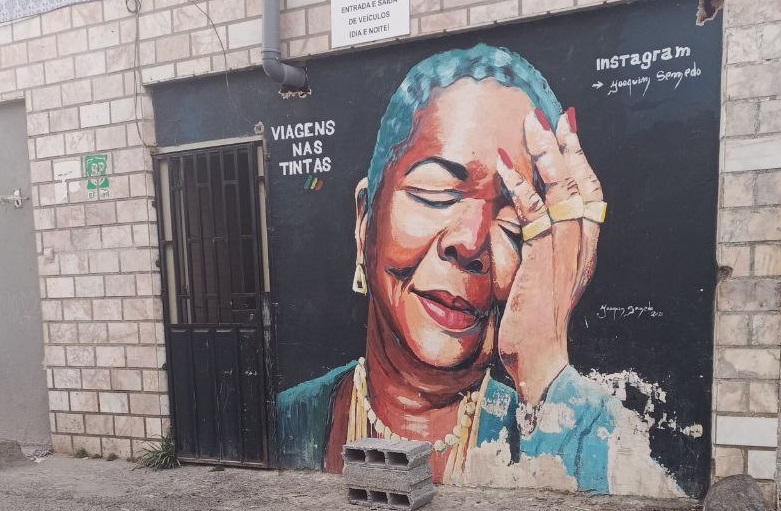 In the Bairro we continue to believe in “Djunta Mo” Juntar as Mãos, and value the capacities of each person.
*Read also: Activista migrante durante 42 años en un ‘bairro’ migrante










.jpg)












