
The whole world knows what Israel is doing but the historical background – what took place in 1948 – is not as well known. Salman Abu Sitta was a child of ten when it happened and he remembers what took place in his memoir “Mapping my return”.
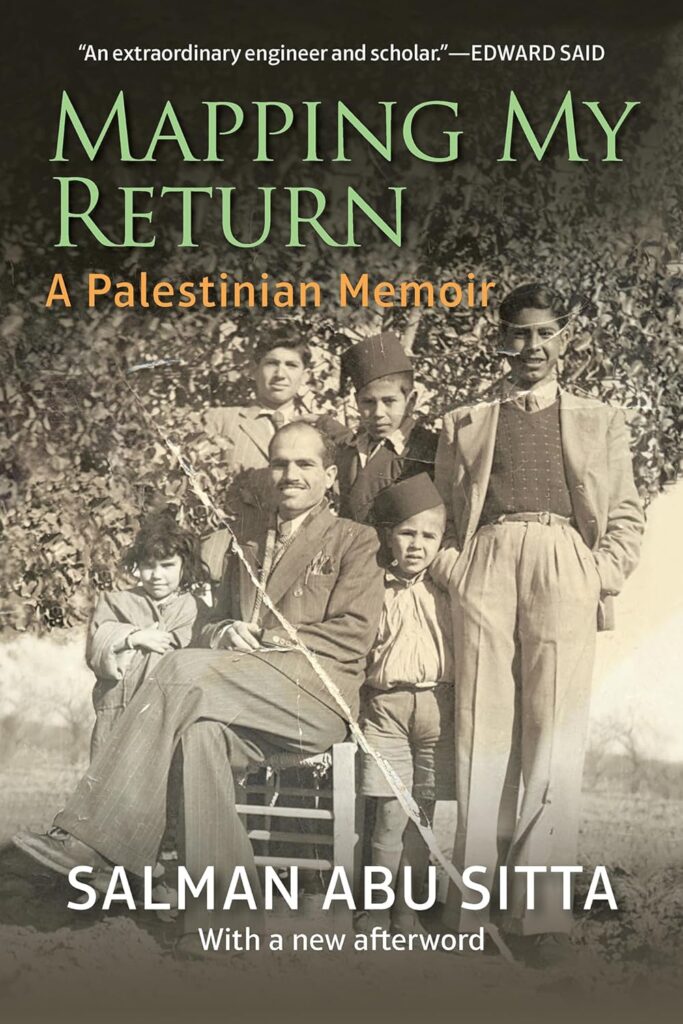 Sean Sheehan
He was born in the countryside south of Jerusalem, on prosperous farmland owned by his family, and he recalls harvest time and the melons, figs, grapes, almonds and apricots that grew on the land.
He attended the school his father had built and at the age of 8 went to school in Beersheba, a region excluded from the state of Israel that was created in 1948 when Britain ceased to rule Palestine and the land partitioned against the wishes of the Arab population,
Zionists, having conducted a guerrilla war against the British that included the 1946 bombing of a hotel in Jerusalem that killed 91, were not satisfied with the borders created for Israel.
They set about ethnically cleansing regions around Jaffa, Jerusalem and Haifa and this included the area where the young Abu Sitta was attending school. He managed to get back to his home and hear awful stories of Zionist violence, like the massacre at Deir Yassim where more than a hundred villagers were murdered in cold blood: “I wanted to know who this faceless enemy was”, he writes.
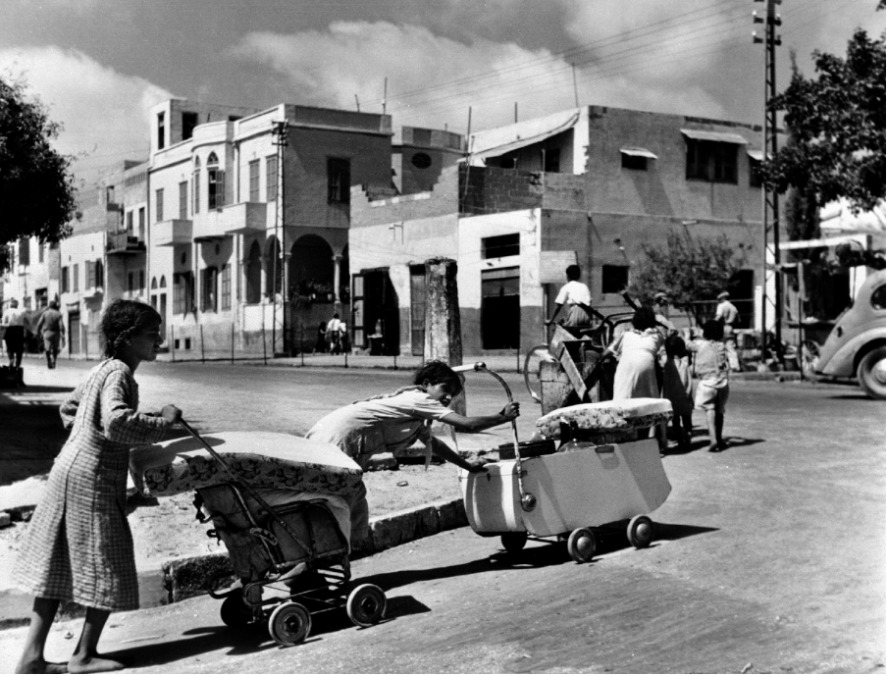
Abu Sitta’s home was burned to the ground, Israeli tanks were advancing, so the young boy was sent off to Khan Yunis in Gaza where a train, it was supposed, could take him to safety in Egypt. He would never set foot in his birthplace again.
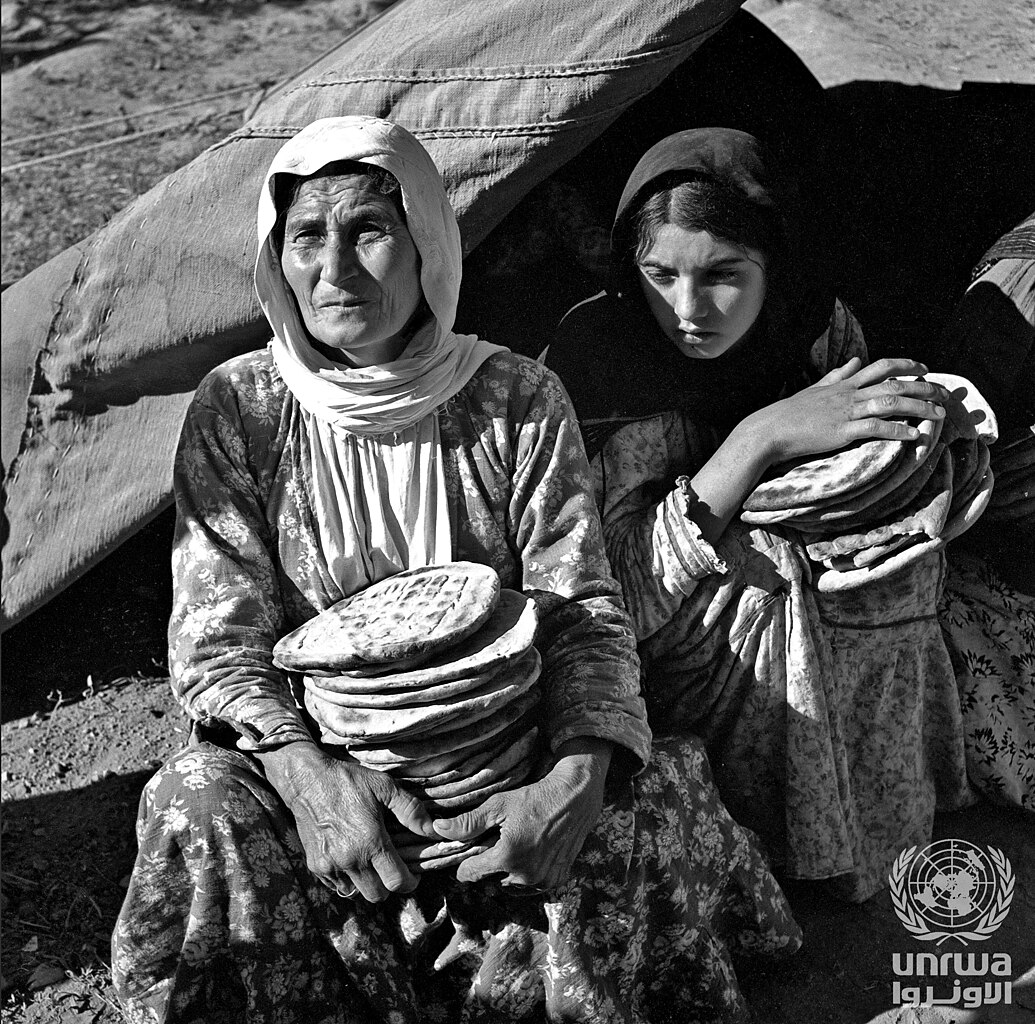
More refugees fled into the Gaza area, it was dubbed the Gaza strip, and he eventually reached Egypt and remained there for ten years. In 1956, the Israeli Defence Force (IDF) attacked Khan Yunis and another massacre took place: this time, 275 men were executed by machine-guns over a period of days.
Egypt provided free university education for Palestinians and Abu Sitta graduated as an engineer. He went to train in the UK, gained a PhD, experienced the depth of racism and anti-Arab sentiment but also made English friends. Five years later, he went to work in Kuwait and then, just as he was leaving for a new job in Canada, news reached him of the Six Day War: the destruction of Egyptian airfields and an Israeli advance into the West Bank, Syria’s Golan Heights and Gaza.
In 2021, in his eighties, he goes back to Gaza and the barbed wire fence, beyond which machine-gun posts are poised, ‘ready to shoot anyone trying to return home’.
What Israel did provides the essential background for what happened on October 7, 2023, when third- and fourth-generation descendants of refugees like Abu Sitta broke out of the Gaza concentration camp. ‘Justice’, he concludes, “means only one thing: return to their homeland in a free Palestine”.
“Mapping my return: A Palestinian memoir”, by Salman Abu Sitta, is published by The American University in Cairo.










.jpg)













