
When Israel was created in 1948, Zionists set about ethnic cleansing by expelling Palestinians – the Nakba (‘catastrophe’) – an endeavour on the part of Israel being currently replayed in Gaza and the West Bank.
 Sean Sheehan
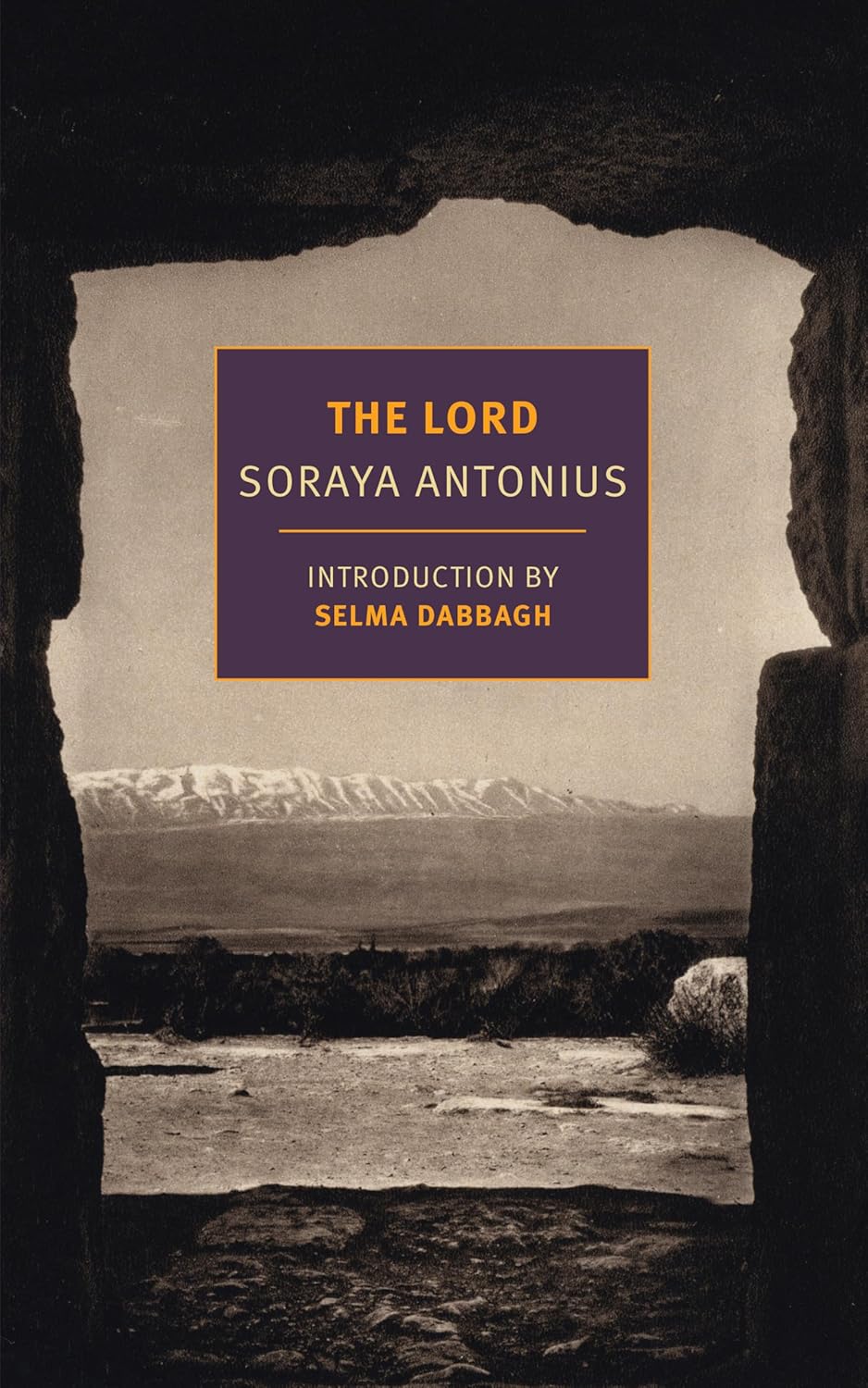
“The Lord”, a rare fictional account of life in Palestine before 1948, was first published in 1986 and this new edition is welcomed.
The story, told by a woman living in Lebanon in the early 1980s, circles around a young man called Tareq who, like all Palestinians in the 1930s, was living under the rule of the British who had gained control of their land. It had previously been part of the Ottoman Empire but after the defeat of Turkey in the First World War it came under British jurisdiction.
The novel’s other main characters are a journalist who becomes interested in Tareq and a retired teacher, Miss Alice, who knew the young Tareq as an undistinguished pupil until he achieved astonishingly high grades in an exam.
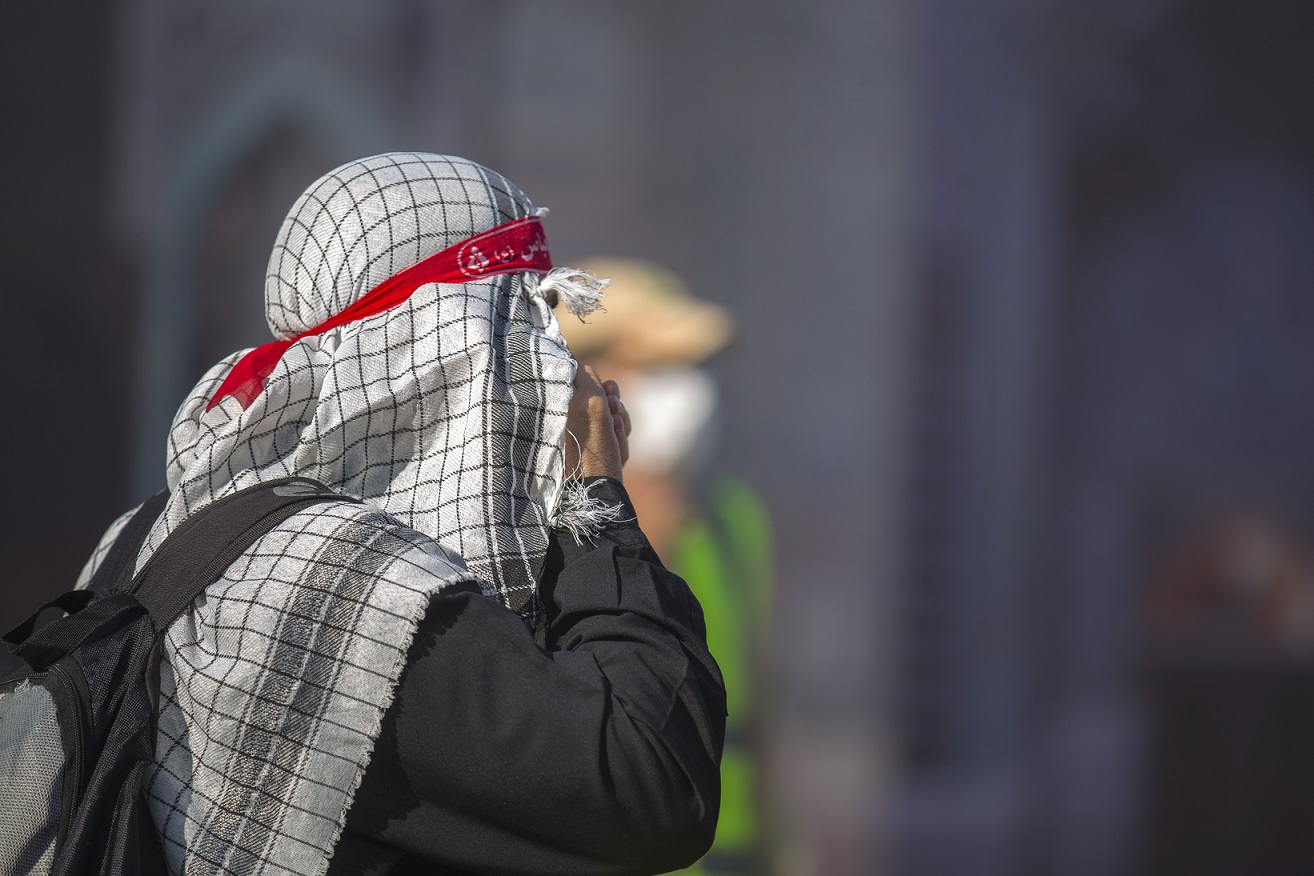
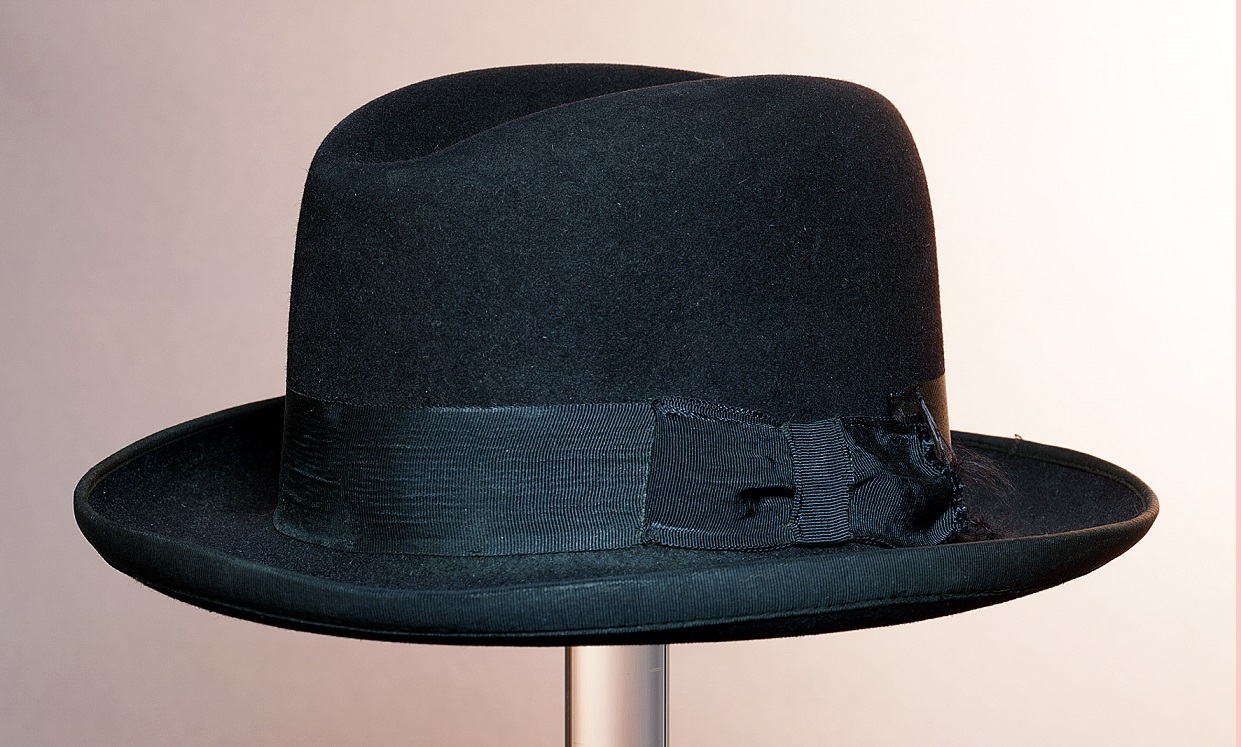
He is deemed to have cheated but the truth is far stranger: Tareq possesses an unusual power which can only be called magic, a power he himself does not fully understand, and he develops the ability to control this gift. He becomes a traveller entertainer whose magical ‘tricks’, like turning a Homburg (of the kind worn by the British rulers) into a keffiyeh, are either harmless entertainment or clever ways of raising Palestinian consciousness. It is tempting to see Tareq’s magic as a novelistic way of representing what the Western gaze cannot see in the Arab world.
To the head of military intelligence, a nasty individual called Challis, he is a threat to security.
Challis, who the reader suspects is sexually conflicted and driven to hurt others, sets about framing him for sedition.
His desire to eliminate Tareq can be read as the desire of the British to quash the Palestinian self-awakening that led to the the Palestinian Arab Revolt, 1936-1939.
“The Lord” is not a page-turner but it draws in the reader who, needing to pay attention to its changes of perspective and literary adroitness, will not see its deadly criticism of those who seek to destroy Palestinian selfhood. There are beautifully evocative passages, full of meaning, describing the countryside that Zionists remain intent on grabbing entirely for themselves:
“they [Palestinian villagers] looked down… on the deep waves of orange blossom, sweeping up the parched slopes of the mountain…If you live among olive trees you discover the trivial blossom does have a scent of its own, dry and powdery and curiously negative, almost an anti-scent …It brought no luck to the Palestine to have two such wildly contrasting symbols of its nature, the austere, mythically gnarled reminder of time lasting eternity, and the luxuriant green and juicy gold blowsy abundance of fruit and flower, simultaneity.”
Soraya Antonius was born and brought up in Jerusalem in 1932, Aged 14, as Zionist terrorism increased, she was moved to Alexandria for safety. Two years later, the first Nakba unfolded.
“The Lord”, by Soraya Antonius, is published by NYRB.










.jpg)














