
Fourteen years after committing to construction a dam on the Rio Asana, it has still not been built. Organizations and citizens of Moquegua denounce the contamination of water and question the controls on a mining activity aimed at supplying metals needed for economies free of fossil fuels.
Pablo Muñoz
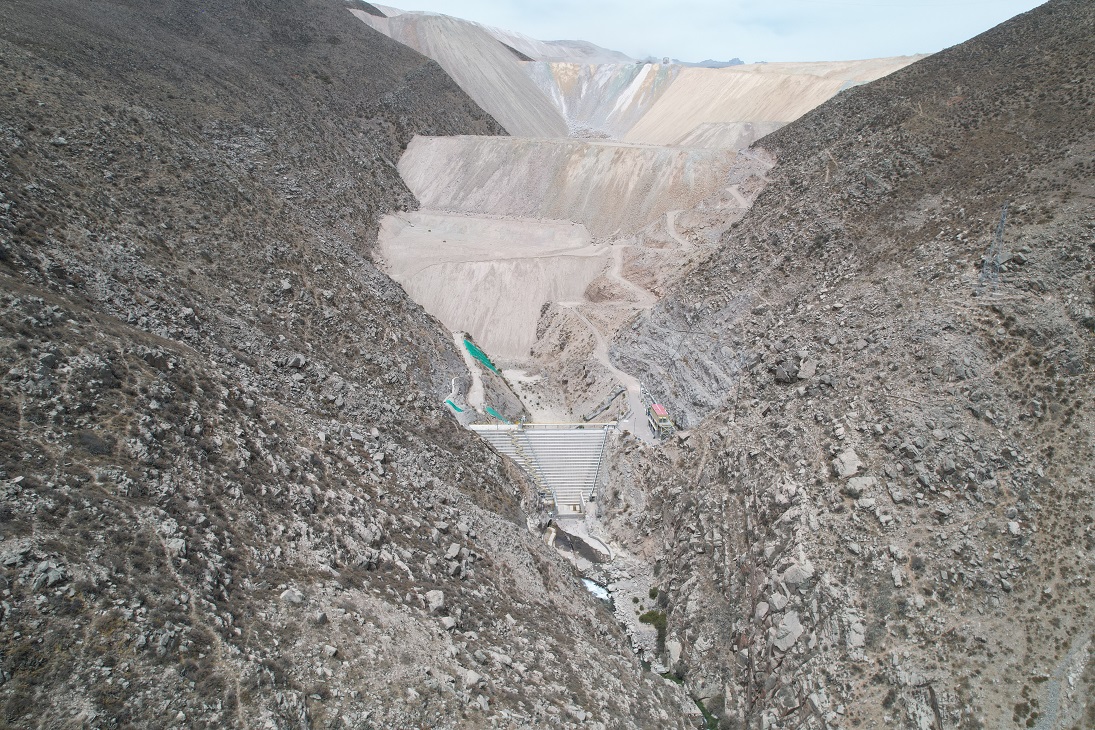
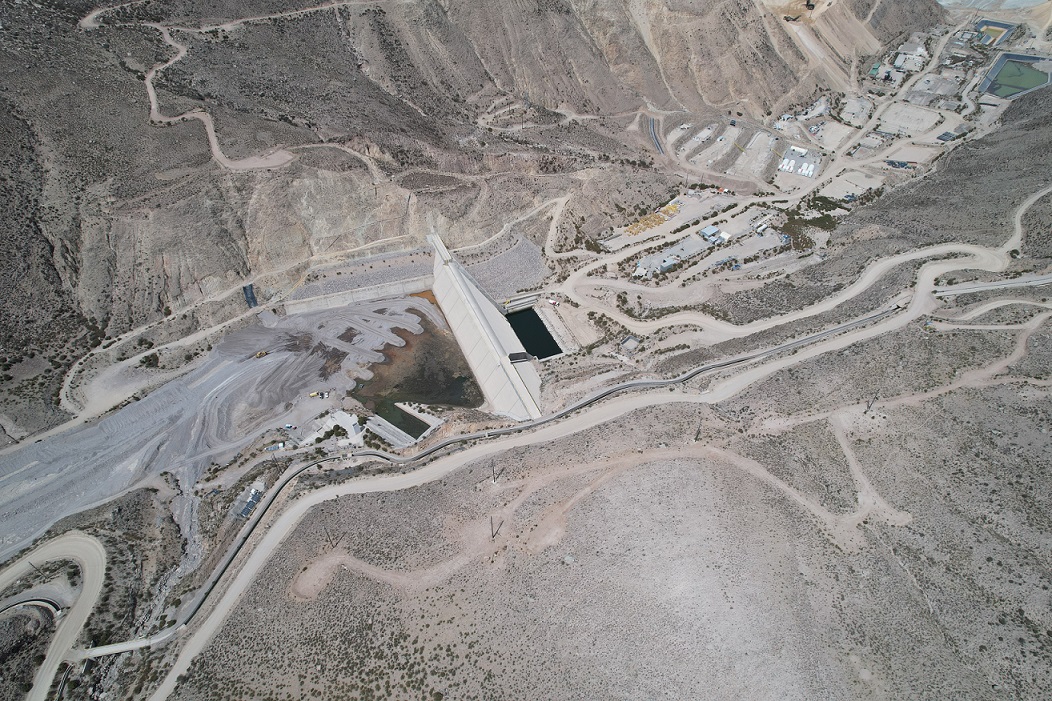
Anglo-American Quellaveco (AAQ), a copper mine in the south of Peru, 35Km from the city of Moquegua, was developed between 2018 and 2022 in a part of the valley of the Rio Asana which provides drinking water for Moquegua’s 100,000 residents.
The disruption of the water flow necessary for working on the ore deposit led the British mining company to divert the river, subject to the promise, in 2012, to build a dam upriver. After four years of mining activity in Quellaveco and 14 years after this commitment, the dam on the river has still not appeared. Local and international organizations have worked together investigating the effects of the mine on the surrounding region, Red Muqui, la Federación Agraria y Ambiental de Moquegua (Facaremoq), DHUMA, Terra Justa, London Mining Network, and social and agricultural leaders from the region presented their study in May, the result of collecting data and investigations since 2019.
Bladimir Martínez and Lucio Flores, the authors of the report spoke with The Prisma, following our report in last week’s edition documenting how the extraction of metals needed by Northern hemisphere countries for technologies that don’t depend on fossil fuels for energy, are having a negative effect on countries in the South.
Martinez, the environmental engineer with Red Muqui, is the principal author of the report on mining activities in Quellaveco. He made his first visit to Moquegua following allegations that “shiny particles” had been seen in the river at certain times of the year.
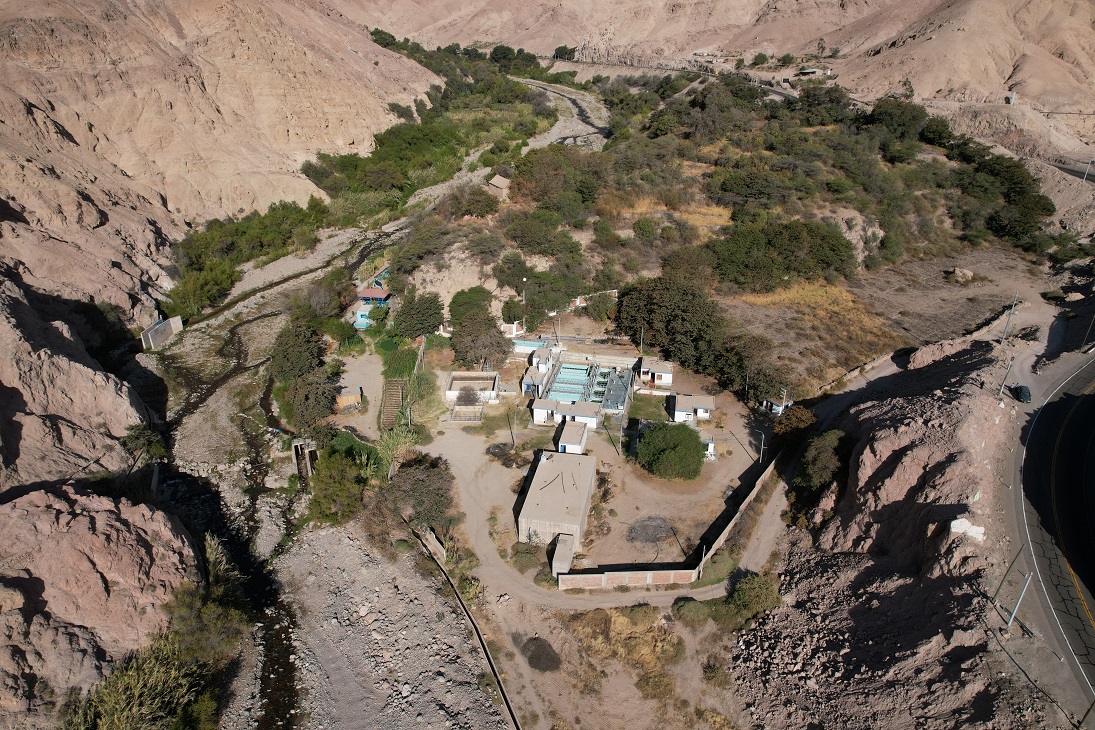
The investigation concluded “that 18 of the 21 districts that make up Moquegua showed some level of contamination in their water by toxic elements including “Arsenic, Aluminium, Cadmium” and “even Uranium”. The investigation did not find the source of the contamination, but it does include a record of over 1,000 people diagnosed as having ingested heavy metals in 2024. And in 2025 this figure increased to over 1,200 cases, with over 70% of them being children of 1 – 12 years.
The diversion of the Rio Asana is one of the possible explanations. Martinez notes that both the IMF and the World Bank “classify Quellaveco as one of the most successful as being highly sustainable on a global scale”. In 2025 it won the prize for technological innovation in the Peru Mining Excellence Awards.
Nevertheless, Martínez insists that “however well managed a mining company is, if it works in a place where it should never be, which is in a place near the water that over 200,000 people consume, then what you have is what is happening now”. He says that the responsible decision by the director of the AAQ would have been to say: “I won’t open a mine here”
Lucio Flores, president of Facaremoq, says that “The Peruvian State has imposed a mining proposal in this micro watershed”, signing some agreements “Behind the backs of the people” with AAQ, “to obtain authorization to operate this mining project”.
In these 26 agreements, according to Flores, “it was regrettable there is no juridical requirement for their strict fulfilment”. In fact, in February of 2026 accepted that the construction of the dam was not viable due to the swampy character of the terrain, offering Moquegua a hydrological fund of 140 million soles (about 41 million dollars) in compensation for definitive non-fulfilment of Agreement 11.
Rejected by the population, the proposal led to demonstrations in Moquegua, and eventually AAQ backed down, committing themselves to building the dam. In July, the company announced the start of “preliminary geotechnical works”, [a statement] which as Flores points out, makes the citizens believe “that the company didn’t know where they were going to build it, and that they did not have permission from the owners of the land”.
Flores complains of the “indifference on the part of the authorities, and the central government” to requiring the company to “comply with their responsibilities”.
And Martínez expressed some distrust of the official organisms, recalling the investigation in 2019 by Francisco Durand, on the corporate capture of the state in Latin America. The economic power of mining in Peru increases the interest of the state to permit this type of investment. According to the Boletin Estadistico Minero in May 2026, there was “a strong growth in investment, confirming mining as “one of the principal engines of the national economy”.
And he cites an example of this [state capture]: in 2012 the state created Senace to separate the work of mining promotion from that of technical evaluation, which previously were both dealt with by the Ministry of Energy and Mines, seeking in this way to legitimate the process of approval of mining megaprojects. In 2023, recordings of Joanna Fischer Battistini, then president of Senace were published of her pressuring her team to immediately approve an environmental impact report in favour of a project of the Ares Mining Company without considering important modifications.
According to Martínez, “the Ministry of Energy and Mines has shown itself throughout its history not to be a competent organ” and emphasized that the reports made by official organisms “lack much regarding water, particulate material and sediments”.
“My opinion is that they really hide a lot of information”, he says. “But now spaces are emerging for more critical leaders to occupy.”
He adds with concern that “this is going to change with the arrival of the new government”, referring to Keiko Fujimori – now in the presidency since July 28 -, who he sees as “closer to the protection of mining interests”. An example of this is that on August 9th, two weeks after taking on the role, Fujimori reinstated Fischer Battistini as president of Agency for Environmental Assessment and Enforcement (OEFA).
On the improvement of public organisms due to the creation of OEFA, Martínez indicates that this is “an entity that has become technically much stronger in the years since 2008 until now. They have succeeded in proving the responsibility of mining companies in various cases of environmental contamination in Peru”.
He mentions the opportunity he had to read 19 OEFA reports about mining companies such as Minsur, Antamina, Southern Copper Perú, and Quellaveco, and that “in every case they showed how these companies contaminate the environment, even proving “how copper and molybdenum from mining operations manage to accumulate in [the bodies of] wild reptiles”.
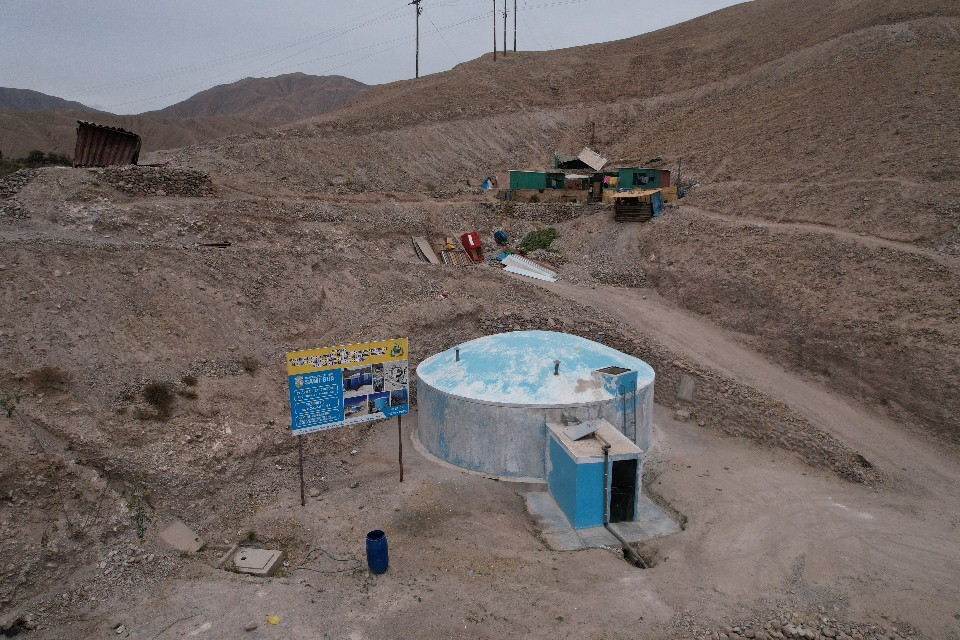
Flores, for his part, recalls that it is not only the environment that is affected by mining operations, but also that “people are drinking water not fit for human consumption”. He says it was agreed that “water consumed in these areas was delivered by road tankers”. When analysis of this water was requested, as he mentions, “surprisingly” even this water distributed by tankers “contained heavy metals”.
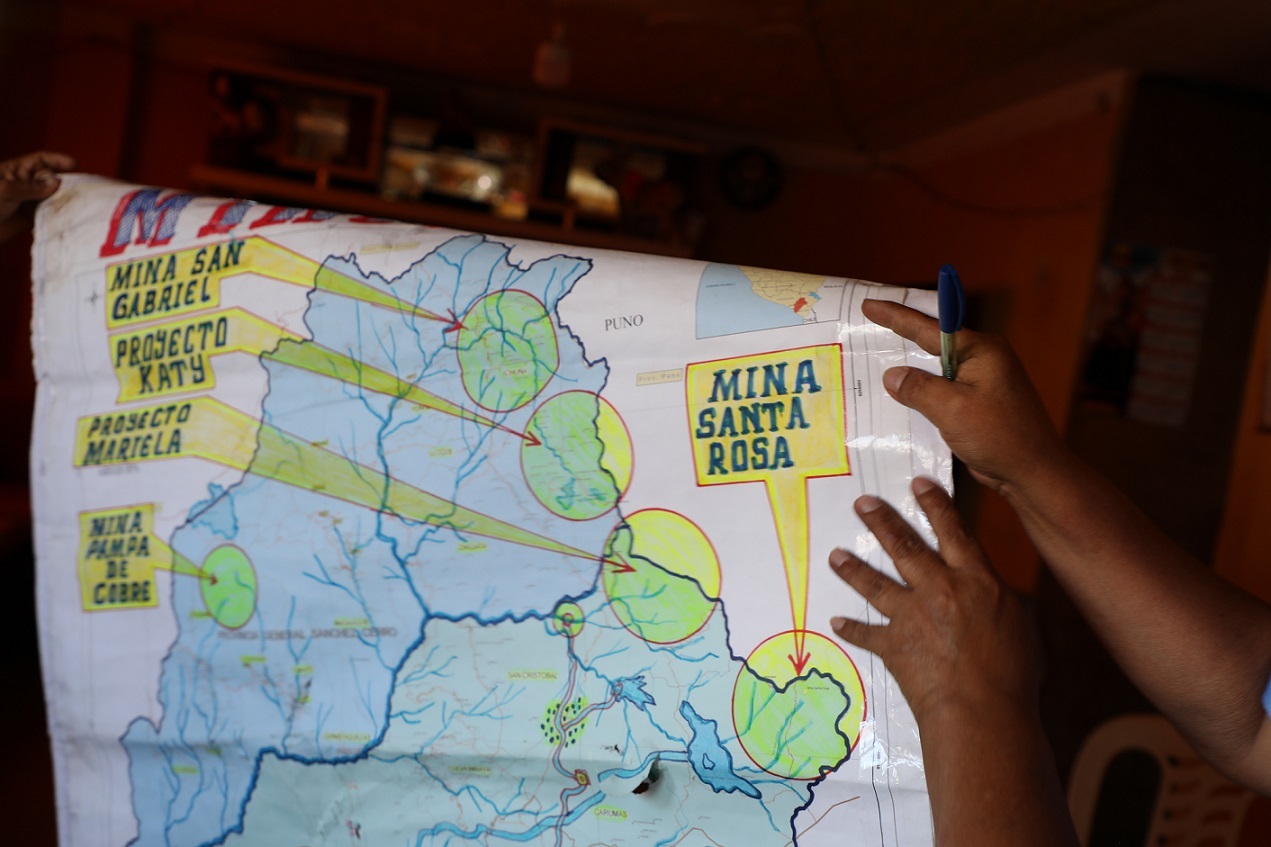
Remembering that there exist more proposals for mining projects in the area he asks himself: “what’s going to happen to the population here in future generations?” Vehemently he exclaims: “The Peruvian state, putting it simply, is close to saying that the population of Moquegua must be eradicated”. He recalls the case of Cerro de Pasco, where mining activity has affected the population to the extent that the UN considers it one of the most contaminated in the world.
In the first half of 2025, there were 4,126 petitions – requests for the right to mining development – and in the same period of 2026 the numbers grew to 6,524, an increase of almost 57%.
Red Muqui succeeded in “identifying the supply chain”, according to Martínez. One of the loads of copper extracted from Quellaveco arrived in Germany, a country where the laws are only weakly enforced.
And it was for that reason that, in November 2025, Red Muqui, with support from local authorities and representatives, alleged at the Federal Office for Economy and Exports, BAFA in German initials, that “the excesses of heavy metals [in water] were all found to be due to mining operations”, including also “the failure to fulfil commitments”.
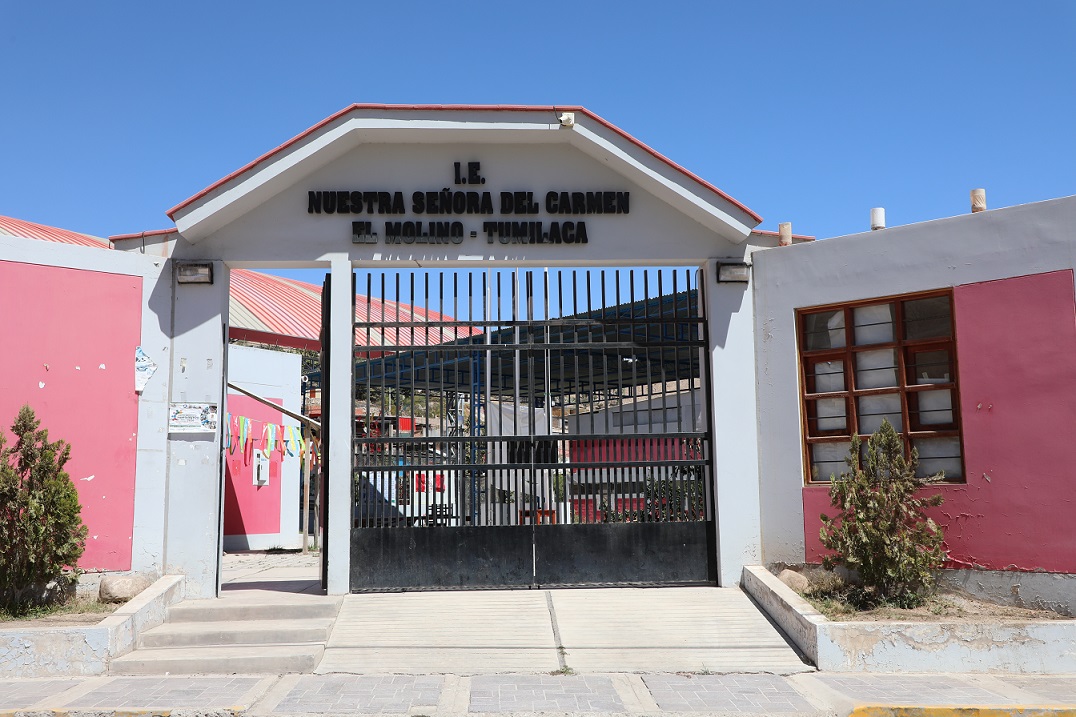
Since then, communications from the mining company “have become much more aggressive, announcing hydrological, agricultural and other projects” mentions Martínez. “Everything that was sleeping is now being done as if it started yesterday.”
The Prisma contacted AAQ to know their opinion on the circumstances surrounding the case. Anglo-American indicated that since 2019 it has examined about 70 alternatives for the supply of water [to the mine]. According to the company, several were discarded for technical, environmental, security or regulatory reasons, and also for restrictions on access to carry out studies. The company confirms that it has finally identified an alternative which “meets all the requirements for supply, security, location and environmental viability”. On 11th June, it presented to the CMQ a “timeline optimized for implementing the supply system”, considering the administrative procedures, permissions and corresponding evaluations. The company adds that in the same session it presented complementary initiatives to “strengthen agricultural activity and improve water management in the region”.
Their spokesperson stated that AAQ reaffirms “their commitment to implementing Agreement 11 and will continue providing updates on progress relating to the CMQ, while also developing initiatives to strengthen agriculture and water management to contribute to the sustainable development of Moquegua”.
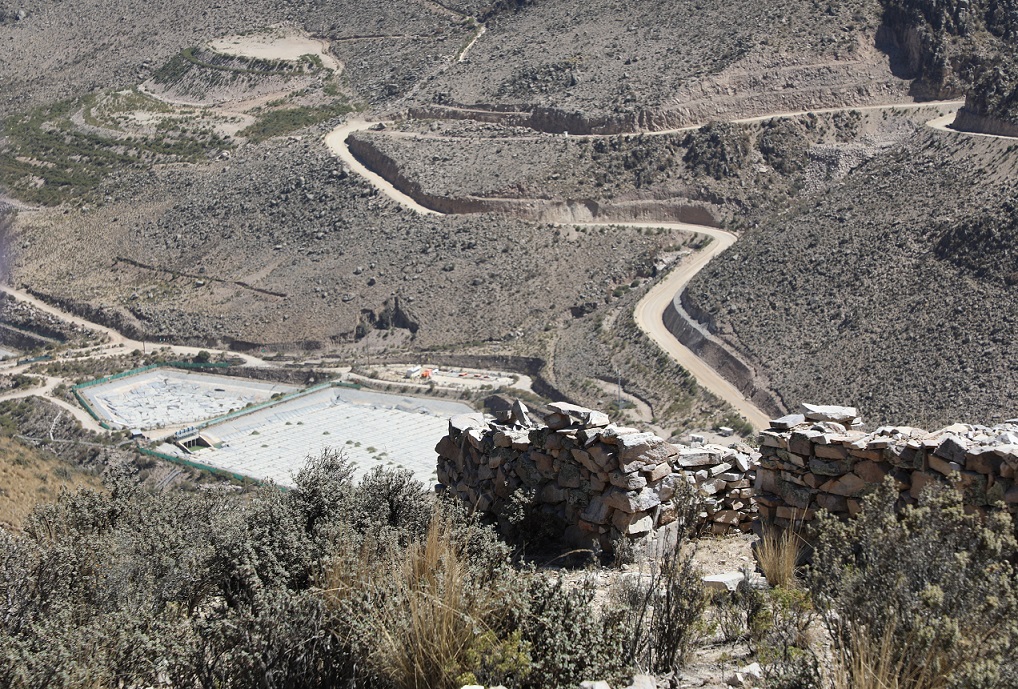
Still with no document that formally establishes the intention of the company to begin construction of the dam, as Lucio Flores points out, the citizens of Moquegua continue “requesting the support of national and international organizations” so that “the rights of the population prevail”.
(Translated by Graham Douglas) – Photos supplied by Red Muqui and authorized for publication in The Prisma.










.jpg)












