
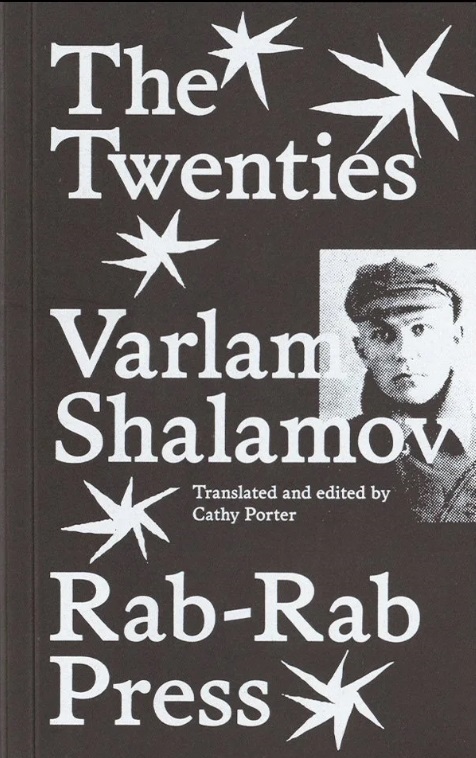
In the introduction to an invaluable little collection of memoirs by Maxim Gorky (1868-1936), the South African writer, J. M. Coetzee, provides important information about the author and his uneasy relationship with fellow revolutionaries in Russia before and after the Bolshevik Revolution.
 Sean Sheehan
The book, first published in 1920 and later expanded to include memoirs of Anton Chekhov and Leonid Andreyev, has its nucleus in Gorky’s conversations with and observations about Tolstoy (1828-1910).
Though not as ambivalent as the relationship with Bolshevism, Gorky and Tolstoy were never soul brothers and there was a class difference that the younger writer was very aware of: “Perhaps a peasant is nothing more to him than an unpleasant odour; he can smell it everywhere he goes and cannot help talking about it”; Gorky also notes how Tolstoy’s own interest in him was ‘ethnographic’.
Such remarks sound harsher than they should because they enjoyed a mutual curiosity about one another and each admired the other’s qualities as a writer and as an individual.
Their personalities and politics were very different, with Gorky rejecting “non-action” and “non-resistance to evil” and identifying such “misty preachings” as “poisoned by Mongolian fanaticism” and “chemically opposed” to “the West and its unwearying creative output”. In equal measure, though, he warmed to Tolstoy’s ruthless questioning of lazy thinking, poor language and conventional pieties. Gorky is also hugely admiring of Chekhov and how, behind the apparent banality of his fiction, lies “the tragedy of life’s trivia”.
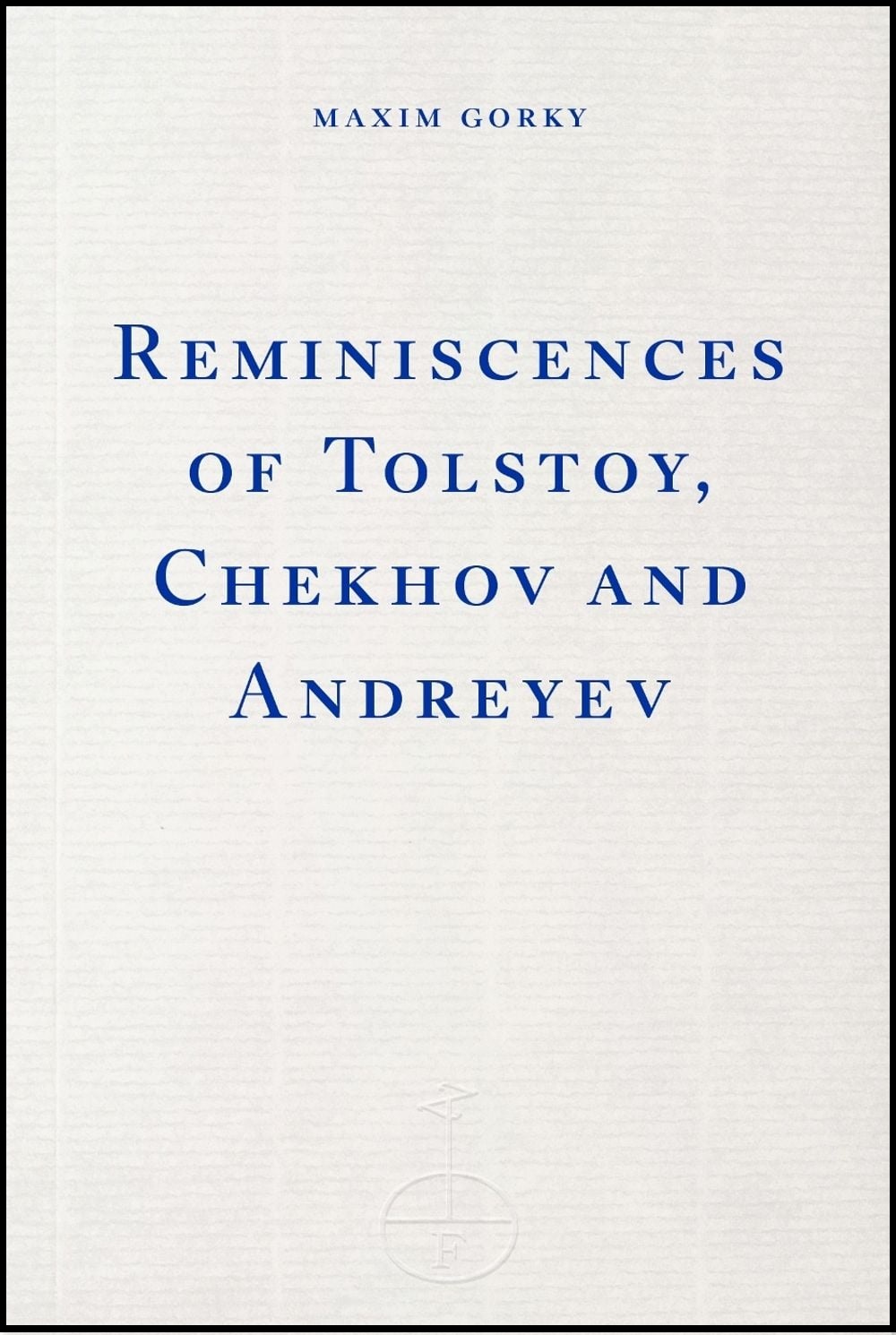 Varlam Shalamov (1907-82), a generation later, moves to Moscow and finds there “a vast university of culture”: an explosion of avant-garde artists, journals, manifestos and movements (including Communist Futurists and Nothingists).
Just reading in his memoir about the Russian artistic scene of the 1920s is exciting, and though many of the names are now mostly forgotten (like Aleksandr Voronsky, a good friend of Lenin’s) there are luminaries like Bogdanov, Lunacharsky and Mayakovsky, emerging writers like Mikhail Bulgakov and established ones like Gorky.
The young writer Andrey Platonov, it is learnt, sent most of what he wrote to Gorky only to be advised not to try and get his first two novels and dozens of short stories published; “delaying for many years the development of this great original talent”.
Shalamov, in those precious few years after October 1917, witnessed history at its most heroic and it echoes through the pages of “The Twenties”: here you find Mikhail Gerasimov, the archaeologist and anthropologist, “leafing through the ink-scented pages of his freshly published book” in his ‘shabby green Civil War tunic, Red Army greatcoat with bright buttonholes, and old military trousers’. The funeral of the writer Dmitry Furmanov has the writer recall seeing the black flag still flying over Moscow’s Anarchists Club in 1921.
Cathy Porter, the translator, provides an informative introduction which adds considerably to this equally invaluable little collection of memoirs.
“Reminiscences of Tolstoy, Chekhov and Andreyov”, by Maxim Gorky, is published by Fitzcarraldo Editions. “The Twenties”, by Varlam Shalamov, is published by Rab-Rab Press.










.jpg)












