
Thousands came to Boston for work, but behind the headlines about immigration lies a quieter story of people building lives together. As families settled, the town became a place where belonging was negotiated every day. “The Prisma Series: Lincolnshire transformed by migrants”.
Toby Sardeson
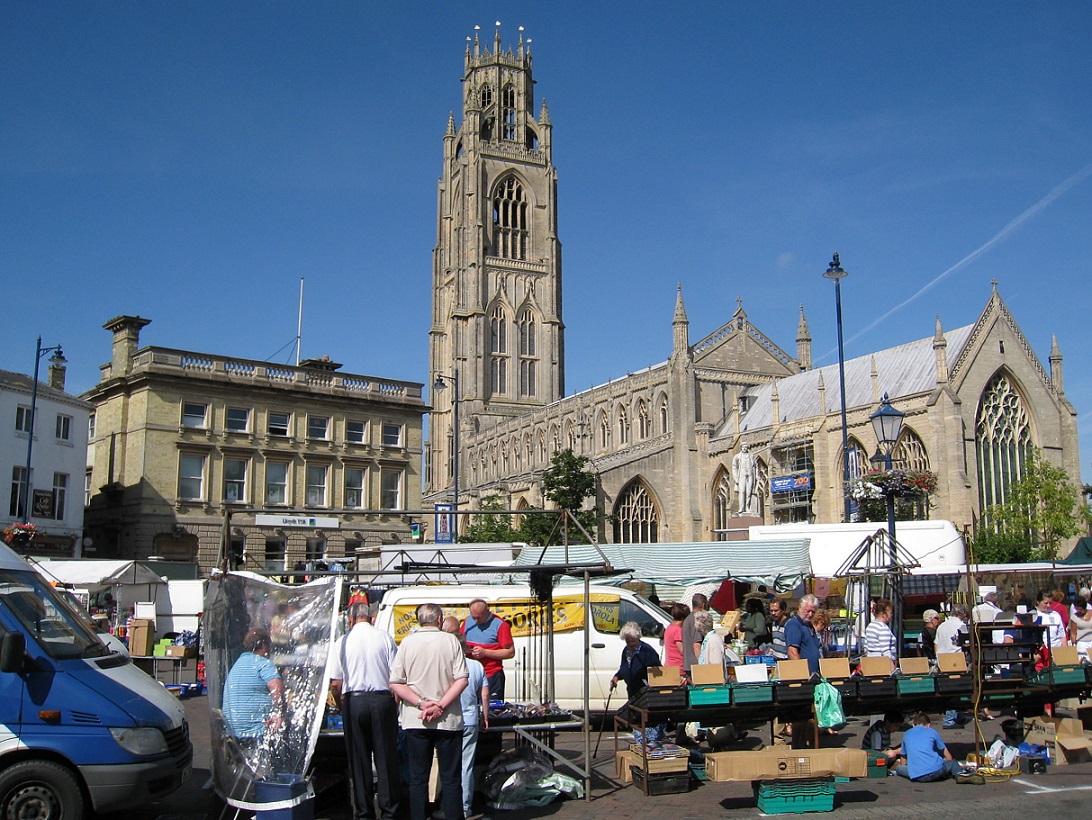
On a Saturday morning in Boston, it is possible to walk only a few hundred metres and hear Polish, Romanian, Lithuanian, and English.
Twenty years ago, much of this simply did not exist. Today, it is part of everyday life.
The first chapter of this series explored why migrants came to Boston. Agriculture and food production created a demand for labour that thousands of workers from Eastern Europe helped to meet, transforming one of England’s most rural counties into an unexpected centre of migration. But what happened once those workers arrived? Many migrants never intended to stay in Boston, imagining they would earn money before returning home or moving elsewhere. Instead, jobs brought them to Lincolnshire.
Over time, relatives and friends followed, children began school and temporary accommodation became permanent. What began as labour migration slowly became community.
To understand how temporary workers gradually became part of the town, The Prisma spoke with Dr Agnieszka Rydzik, Associate Professor in Tourism and Work at the University of Lincoln, whose research examines how migrant and long-term residents have negotiated everyday life in modern Boston.
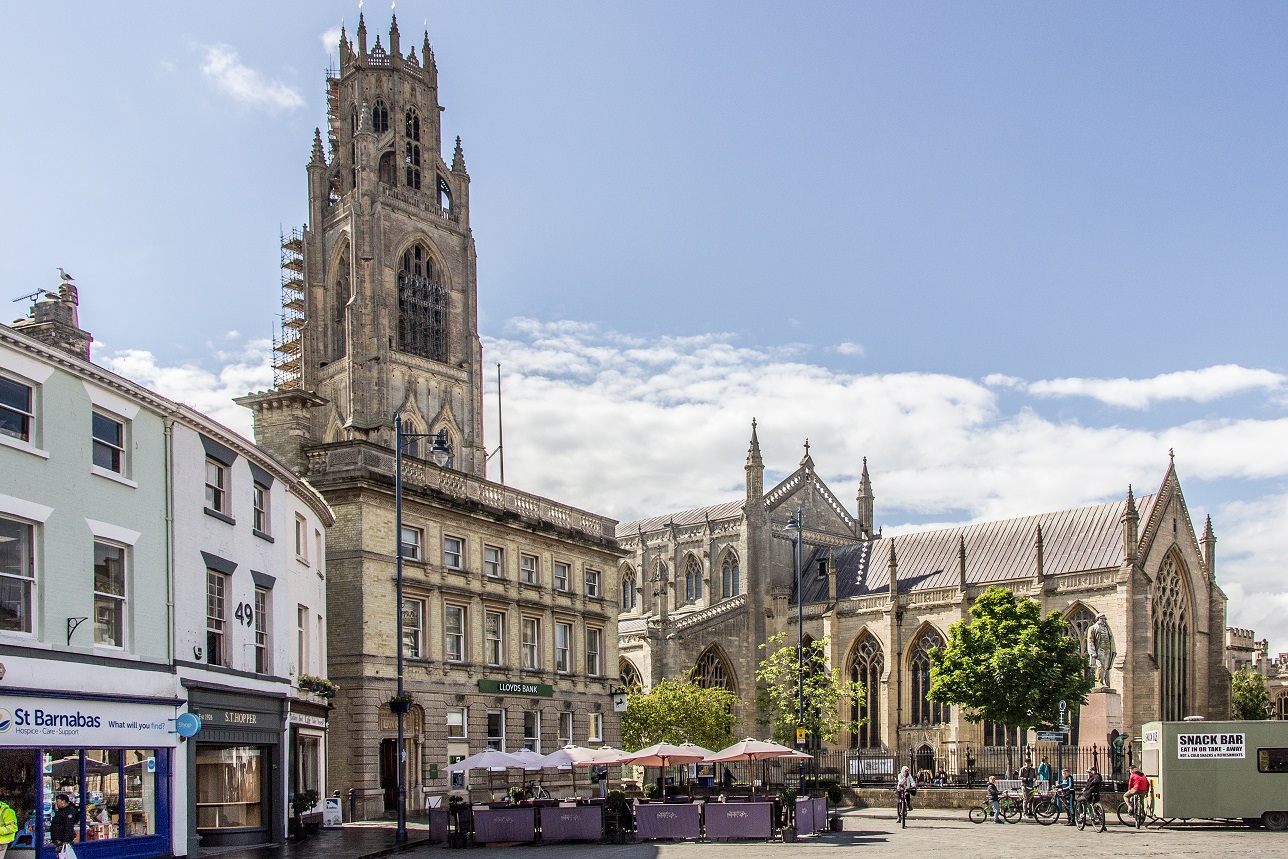
One of the strongest themes to emerge from Rydzik’s research and our conversation was that settlement rarely happens all at once.
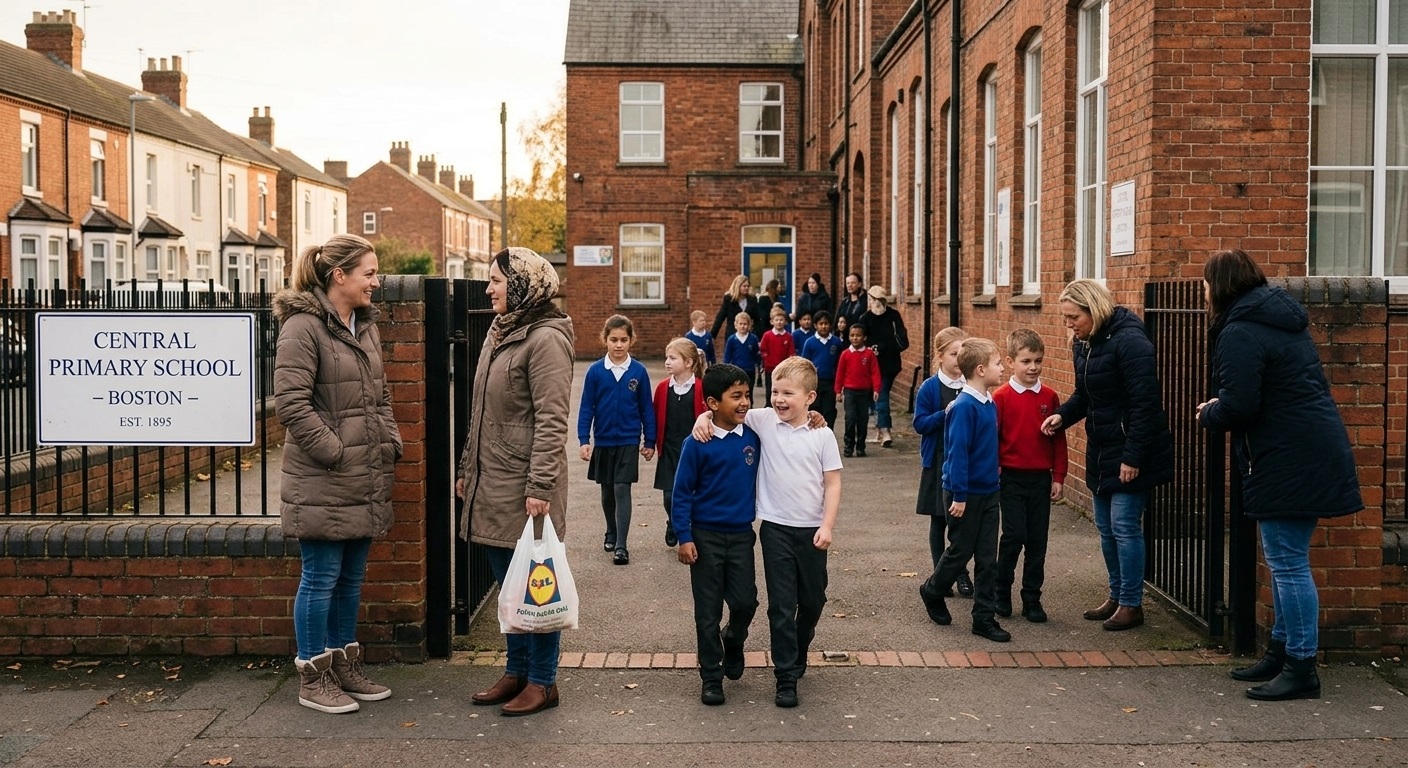
According to Rydzik, children frequently become the strongest bridge between migrant and long-established communities. Schools created some of the first spaces where parents from different backgrounds met regularly, sharing playgrounds, classrooms and parents’ evenings.
Children learned English quickly, often translating for their parents while introducing classmates to new languages and cultures. Their friendships also deepened families’ attachment to Boston, making the prospect of leaving increasingly unlikely. That sense of belonging extended beyond schools. Some migrants bought homes, opened businesses, volunteered in community organisations and became active in civic life. Many were no longer simply working in Boston but investing in its future.
However, these businesses were sometimes met with hostility and distrust, representing wider anxiety about immigration.
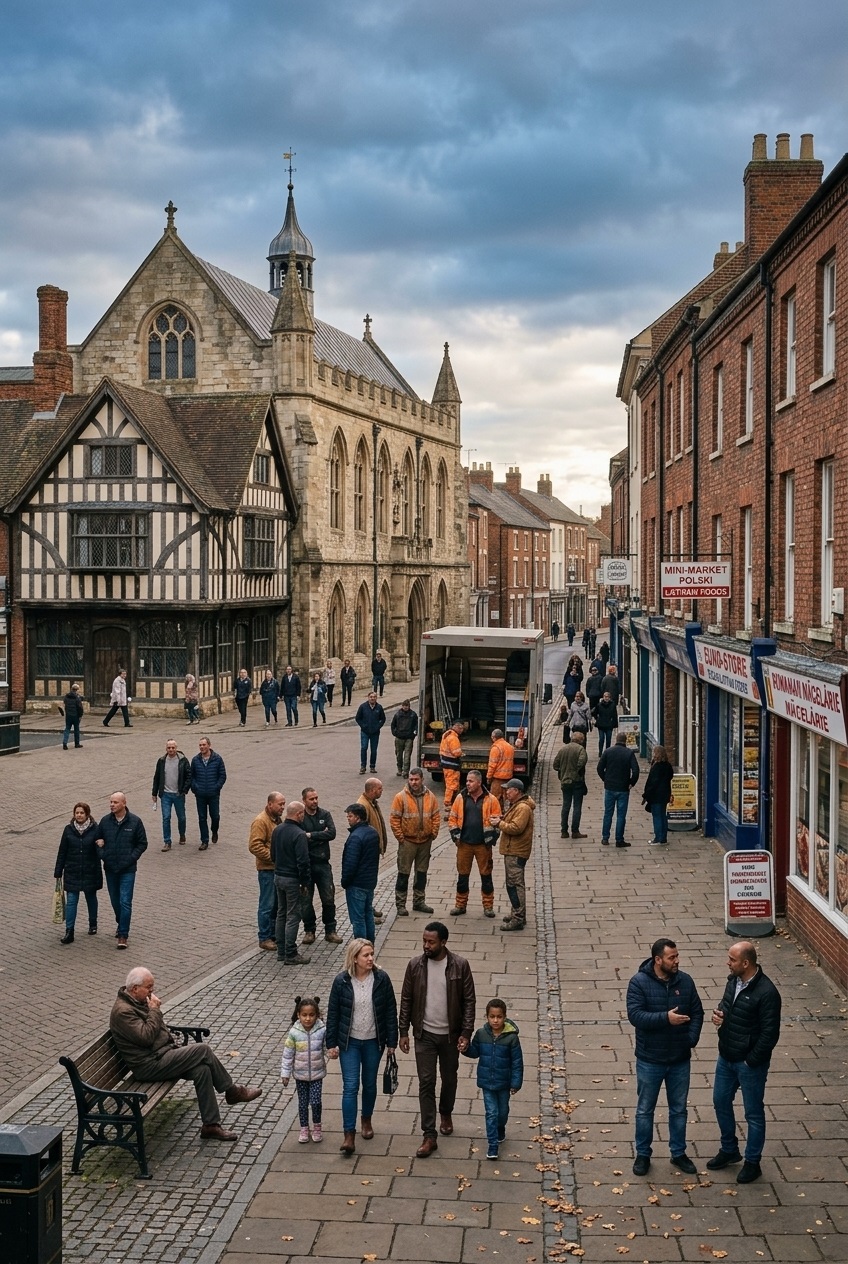
Despite this, Rydzik found that migrants who initially viewed Boston as somewhere to earn money often developed genuine pride in the place.
Some spoke about learning English, joining church groups, making friends and getting to know neighbours from different backgrounds. Allotments, churches, festivals, and cultural events became places where everyday relationships could develop beyond the workplace.
Integration rarely happened through grand gestures, but through shared experiences and the gradual familiarity of living alongside one another.
Yet integration was rarely straightforward.
Rydzik explained how many migrants worked long shifts, sometimes holding multiple jobs or working nights. Limited free time, caring responsibilities and language barriers often left little opportunity to attend community events or improve their English, even when they wanted to become more involved.
Building community therefore depended not only on willingness but also on opportunity. Rydzik argues that integration cannot simply be expected to happen naturally; it requires spaces where people have the time and opportunity to meet. Churches, Saturday schools and local organisations became some of the most important of those spaces, although demanding work schedules left many migrants unable to participate.
Community leaders from both migrant and long-established backgrounds became increasingly determined to bridge these divides. Following the Brexit referendum, local leaders responded by creating new groups and community initiatives designed to rebuild trust between residents.
As one community leader remarked during research conducted by Rydzik and her co-author Liz Price: “You wouldn’t see them [migrants and non-migrants] in the same room a couple of years ago. It speaks for itself”.
The referendum was nevertheless a bruising experience for many migrant residents, with some feeling that the result questioned whether they truly belonged. Yet for those who stayed, Rydzik found that Brexit often strengthened their attachment to Boston.
Family, employment, home ownership, and children in local schools rooted many more deeply in the town, turning it from somewhere they had come to work into somewhere they had chosen to build a future. Rydzik also found that tensions sometimes developed within migrant communities themselves, as longer-established groups occasionally viewed newer arrivals as competitors or outsiders.
Integration, she argues, is a gradual process that unfolds across generations rather than something achieved overnight.
Equally, Boston’s long-term residents were experiencing dramatic changes of their own.
Boston had changed dramatically within a single generation. Residents who had spent their entire lives in the town suddenly found themselves surrounded by unfamiliar languages and cultures, with many describing the pace and scale of change as unsettling.
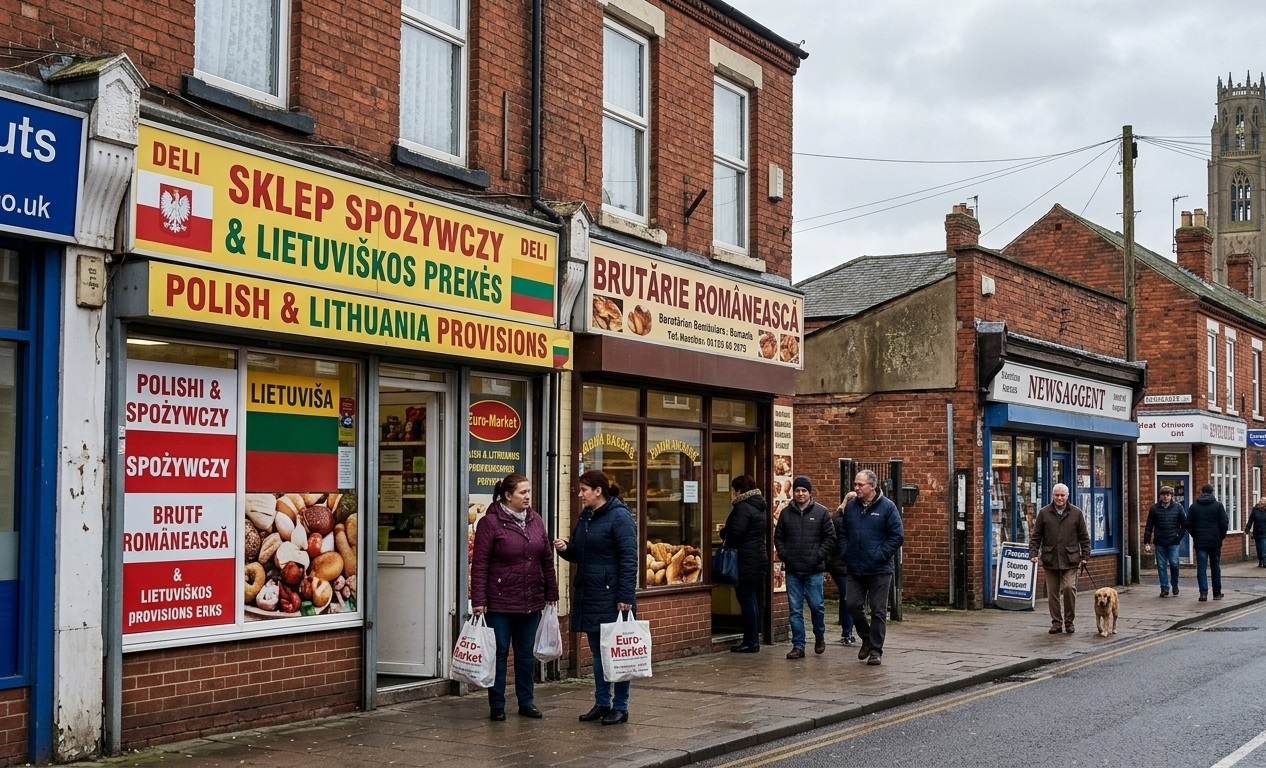
As one resident interviewed during Rydzik and Price’s research explained: “The massive influx from Eastern Europe was just overwhelming for a lot of people and they found it deeply disturbing and threatening… you feel aliens are in your home”.
Many residents associated migration with growing pressure on schools, GP surgeries, and other local services, seeing immigration as the main driver of changes affecting everyday life. Rydzik argues that these perceptions became closely tied to declining place attachment, as residents worried about the town’s identity, infrastructure and future. Media coverage often reinforced those perceptions. Boston became nationally recognised as a symbol of immigration, yet Rydzik argues that national reporting frequently overlooked the more complicated reality of daily life. Stories of conflict dominated headlines, while quieter examples of neighbourliness and cooperation rarely attracted the same attention.
For many migrants, Boston was neither the hostile town portrayed in some newspapers nor a model of perfect integration.
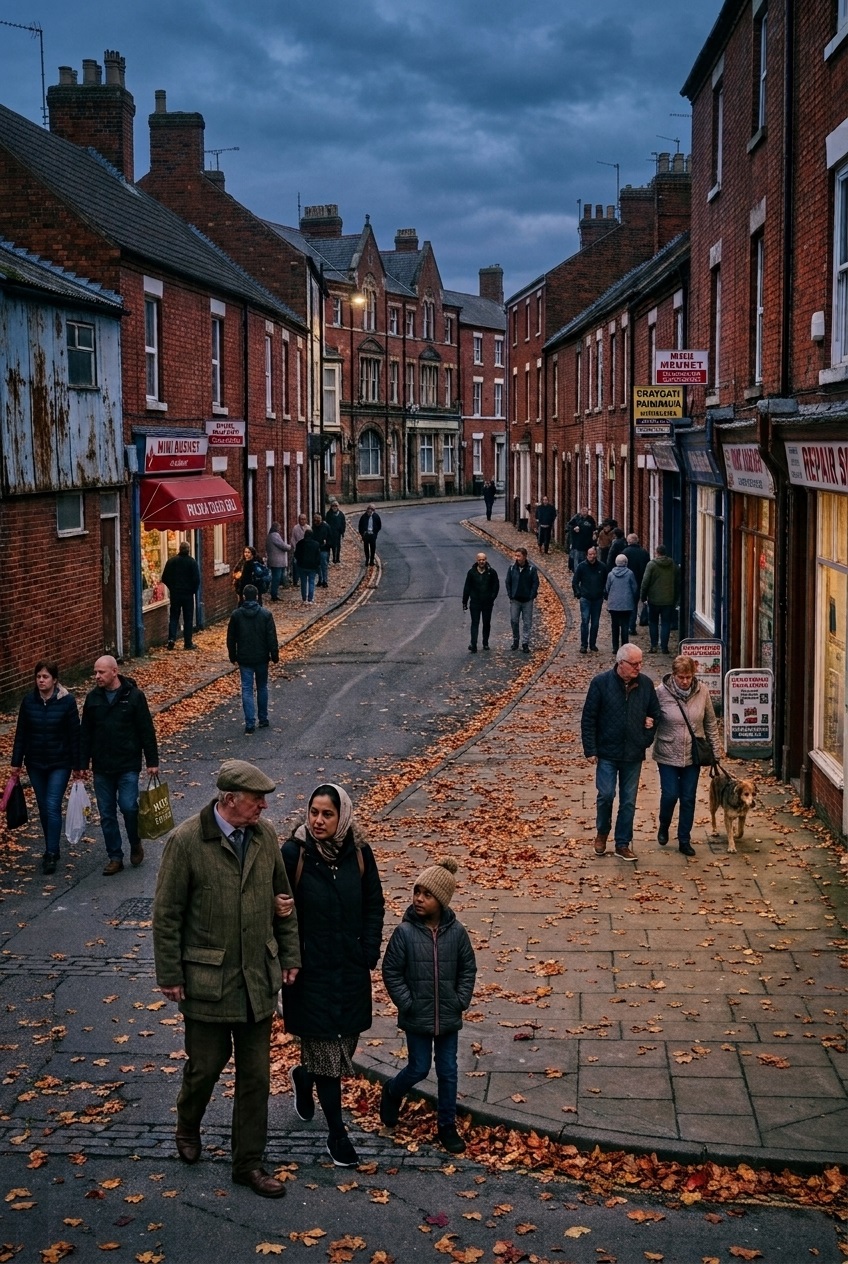
Instead, it was simply home.
The town’s story is therefore not one of either success or failure, but of gradual negotiation. Relationships have been built through schools, workplaces, churches, and local organisations, even as tensions, misunderstandings, and competing narratives have persisted.
Yet those tensions cannot be understood through immigration alone. Rydzik argues that the speed and scale of Boston’s demographic change coincided with wider economic pressures, underinvestment, and growing concerns over local services. Many long-term residents came to see migration as the primary driver of these changes, but her research suggests that the town’s transformation was shaped just as much by deeper social and structural inequalities.
Those debates remain highly relevant today. Boston’s political shift from support for UKIP in the years leading up to the Brexit referendum, to recording the country’s strongest vote to leave the European Union in 2016, and more recently electing a Reform UK MP in the 2024 general election, reflects how central questions of immigration and identity have remained within local politics.
For Rydzik, however, unless wider social and structural inequalities are addressed and greater investment brought to Boston, community divisions are likely to persist.
Community cohesion also depends on more than political debate. Sustaining community-led initiatives, creating welcoming shared spaces, supporting young people, and celebrating Boston’s history and cultural diversity can help foster a stronger sense of belonging. Projects such as Boston 400, which is preparing cultural events ahead of the town’s 2030 anniversary, reflect wider efforts to build a more positive and inclusive narrative about the town’s future.
Boston’s story is therefore not simply about immigration, but about how a town responded to rapid economic and demographic change. While those changes created uncertainty, they also prompted many residents, both migrant and long-established, to invest in the town’s future through everyday acts of cooperation and community.
Whether that progress continues may depend not only on the willingness of local people, but on the long-term political and financial commitment needed to support it.
The next chapter of this series turns away from politics and public debate to hear directly from first-generation migrants themselves, exploring how they have experienced building a life in modern Lincolnshire.
*Next week: The migrants who came to pick daffodils – and stayed
The Prisma Series: Lincolnshire transformed by migrants.
The making of modern and multicultural Boston
Living in parallel: community and tension
The migrants who came to pick daffodils… and stayed
Asylum seekers building lives in rural England










.jpg)












