
Anna came to Lincolnshire from Poland expecting to stay for three months. Twenty years later, she is helping other migrants make a life in Boston. Opportunity brought many others. Their stories offer a glimpse of how a Lincolnshire town has changed, and how it is learning what it means to become more diverse, and what it means to belong. “The Prisma Series: Lincolnshire transformed by migrants”.
Toby Sardeson
When Anna first came to Lincolnshire from Poland, she did not intend to stay.
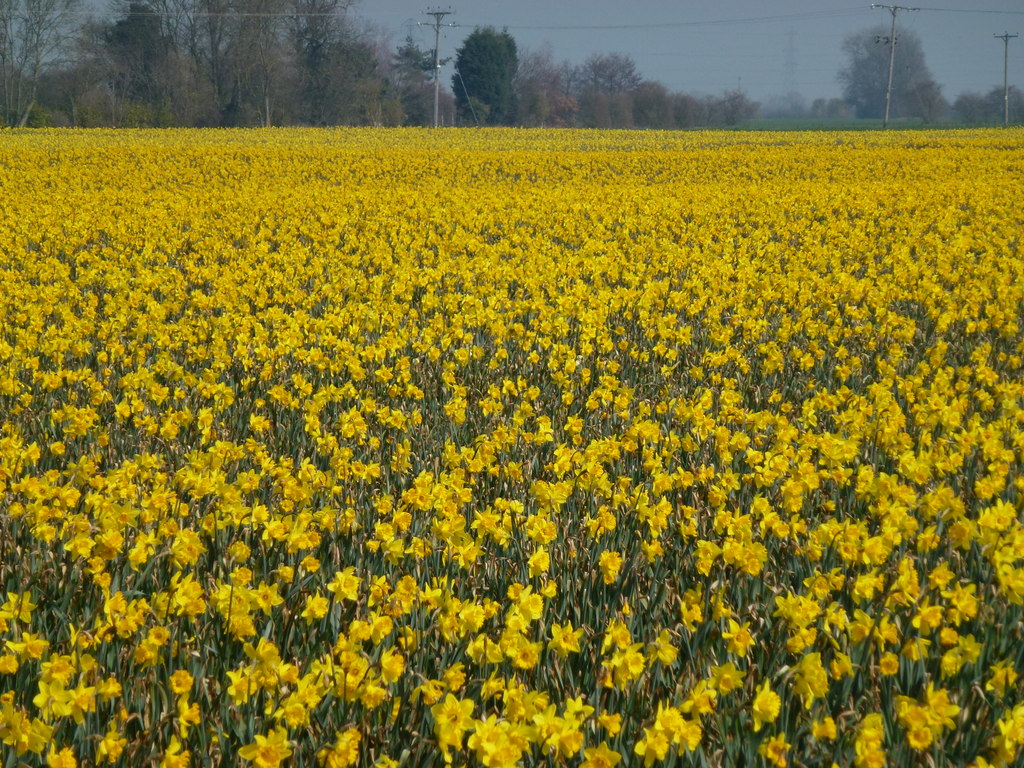
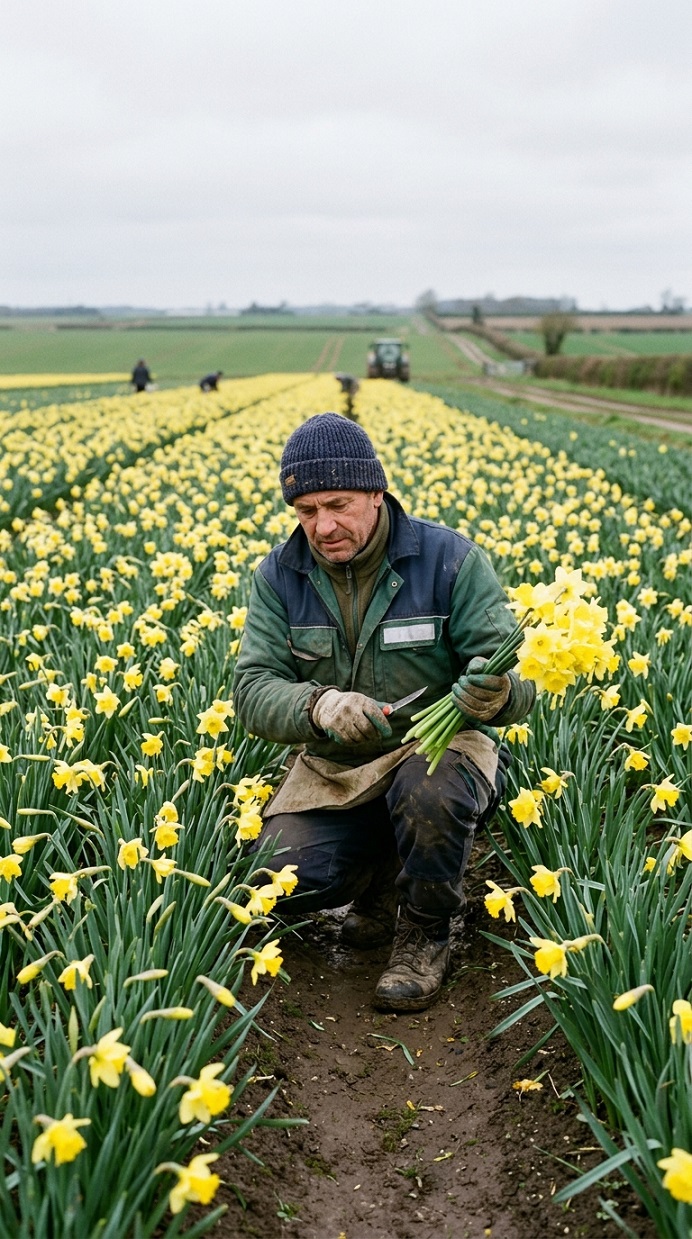
A man approached her while she was working in a shop and offered her the chance to travel to Boston to pick daffodils. The promise was simple: three months’ work could earn enough money to return home and survive for another six.
“I was thinking that maybe during the time I will move to another town,” she recalls.
She never did.
Twenty years later, Anna runs the Polish Support Initiative in Boston, helping migrants navigate British systems that can be difficult even for those who speak English. The organisation began with translation services before developing into a community interest company, offering free support, workshops and events to migrants from across the region.
Her story is part of a much larger transformation in Boston, a town whose economy has become deeply connected to migrant labour.
For many of the Eastern European migrants who arrived, the destination was less important than the opportunity. Boston’s agricultural industry offered work that did not necessarily require fluent English or formal qualifications.
“Everyone starts on the field,” Anna says.
Over time, some workers moved into better-paid or more skilled employment, learned English and established families. Others remained in the agricultural and factory work that had originally brought them to the area.
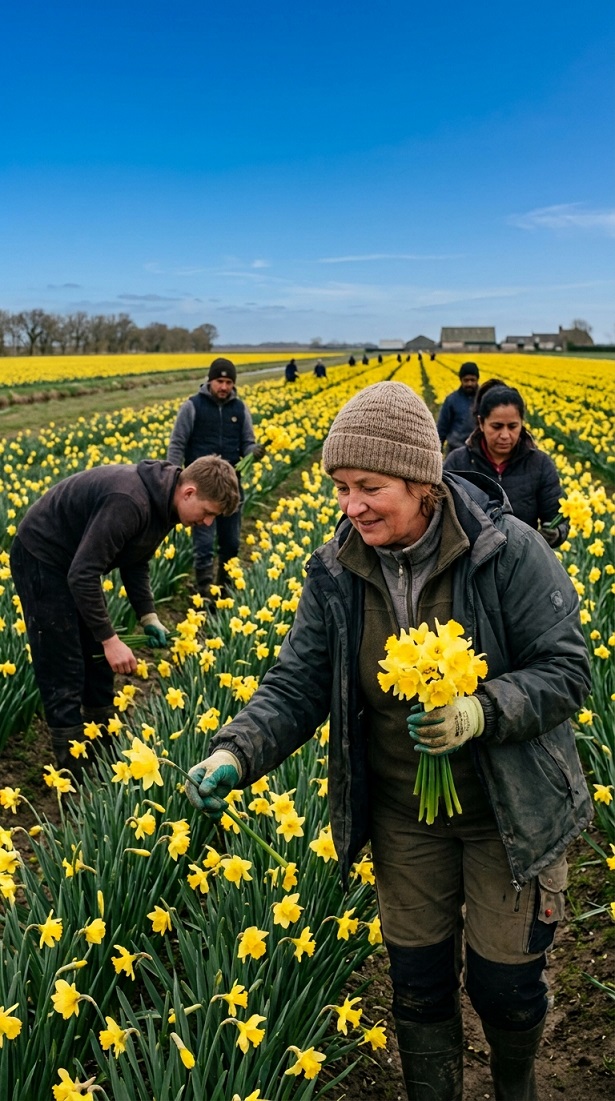
For years, however, migrants working in fields and greenhouses could be vulnerable to exploitation. Workers were sometimes promised a certain wage only to discover deductions for equipment or transport from their pay.
According to Anna, things have improved. Migrants are now more aware of their employment rights, and organisations such as hers can help workers challenge unfair treatment.
The interviewees also described another side of Boston’s migrant labour market: employers who came to prefer Eastern European workers, whom they regarded as more reliable and disciplined.
They described workers turning up on time and taking breaks only for the allotted amount of time. One interviewee claimed that some local employment agencies would not take on English workers.
She recalled one English family member who struggled to find work through local agencies. Eventually, she said, he shaved his head, changed his clothes to resemble Eastern European workers and deliberately pretended to speak poor English.
He then received a phone call offering him work.
But the relationship between migrant communities and the wider town is more complicated than a simple story of exploitation and integration.
Boston has received successive waves of migration: Portuguese communities came first and were followed by Poles, Lithuanians, Latvians and others. Established communities sometimes find themselves looking at newer arrivals with the same suspicion that they themselves may once have encountered.
There is a paradox here.
People who have experienced the difficulty of arriving in an unfamiliar country can also develop their own ideas about what constitutes “good” integration.
Anna and her colleagues speak proudly of the Polish community’s willingness to socialise with others and participate in local life, while expressing frustration about behaviour they associate with some newer migrant groups.
Yet they also recognise that perceptions can be just as powerful as reality.
Anna’s friend Brigita, who emigrated from Lithuania, points out that the “negative is always stronger.” A group of young people gathering outside a church may be perceived as threatening even if they are simply meeting friends.
Equally, genuine antisocial behaviour can make people reluctant to approach communities with which they are unfamiliar.
Integration and mutual support
The distinction matters because Boston’s experience of migration is not simply one of conflict.
The town’s churches have changed alongside its population. A Catholic church that once served a small group of older worshippers now has Polish-language services and a much larger, more diverse congregation.
Community events have become another way of bringing people together.
At the Polish Support Initiative, events involving food, music and families are intended to create the sort of encounters that rarely happen when communities remain separate.
“We’ve got more in common than we’ve got differences,” says Oonagh, whose Irish mother migrated to Britain. “And it’s about having the opportunity to do that.”
Food and music can provide that opportunity, she argues, breaking down barriers between communities that might otherwise remain separate.
Brigita puts it more simply:
“We all deserve to live under the sun.”
Some of the clearest evidence of that integration can be found among Boston’s children.
One former teacher remembers working with a group of just 12 young people who collectively spoke 56 languages.
One Russian-speaking boy would solve problems by talking to himself in Russian before translating his thoughts into English.
For children growing up in Britain, multilingualism is increasingly ordinary. Their parents may identify as Polish, Lithuanian, Latvian or something else, but their children often move between languages and cultures without thinking of themselves as belonging entirely to one.
Anna’s son, for example, speaks Polish at home but English with his friends, many of whom have different backgrounds.
“He said that finally I will practice [Polish] at work,” she remembers.
When asked whether children growing up in Boston see themselves as Polish, British or both, the answer is simple.
“Neither.”
For a generation growing up in Britain, the question may therefore be less about choosing between two identities than about inhabiting a world in which several cultures coexist.
But while Boston’s migrant communities have put down roots, the town itself faces wider problems that cannot simply be explained by immigration.
Young people are leaving. Employment opportunities remain heavily concentrated in agriculture and factories, while public transport and opportunities for education and training can be limited.
That creates a difficult environment in which to discuss immigration.
Memories and conversations
When people are struggling to find work, access services or imagine a future for their children, migrants can become an easy explanation for problems that are much older and more complicated.
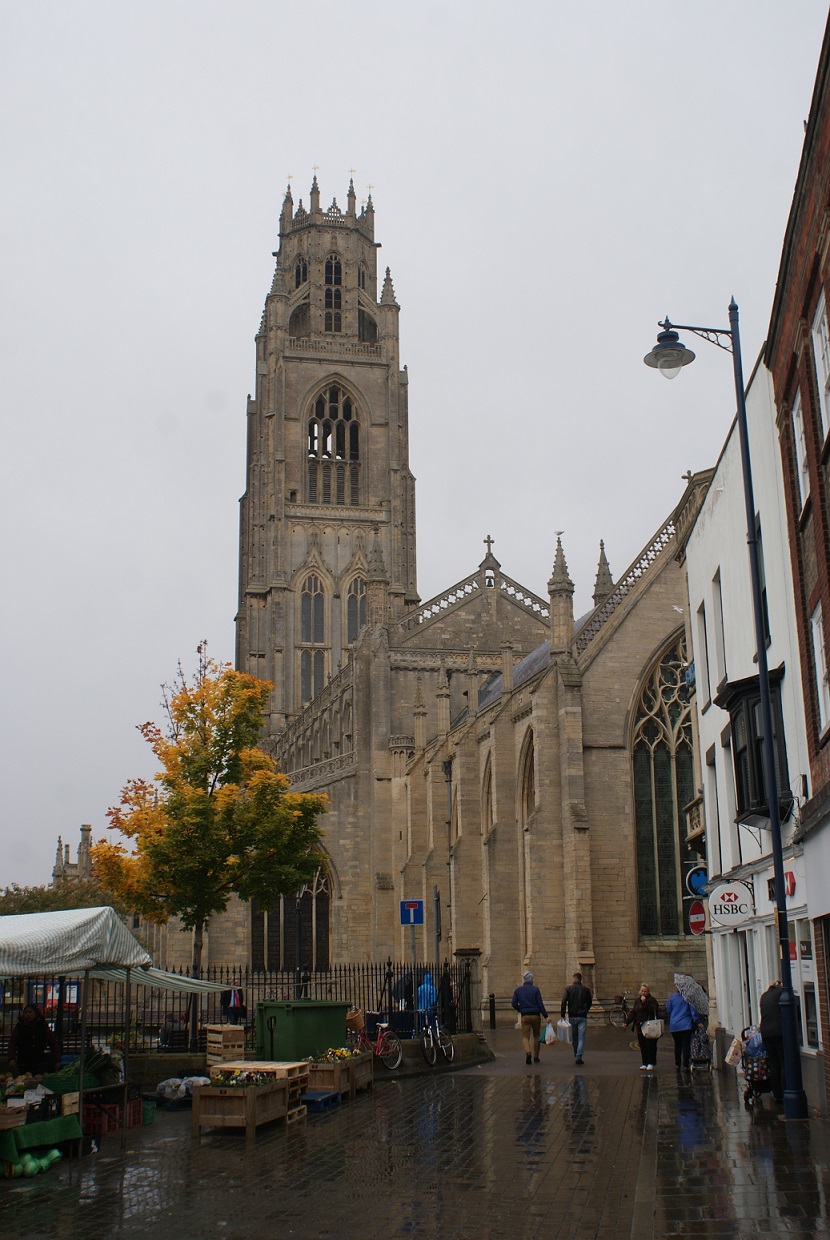
At a community meal in Boston, Oonagh recently encountered people struggling with homelessness, unemployment, poor health and poverty. Some were migrants, others were British.
“There’s a lot of despair,” she says.
The danger, she argues, is that someone can come along and tell people that their difficulties exist because there are “too many foreigners”.
“It’s an easy target.”
For migrants themselves, however, the decision to come to Britain was rarely about taking something away from someone else. It was about survival.
“They just want empathy and sympathy to understand the difficulties of people coming somewhere and starting from scratch,” Brigita says. “It takes a lot of guts.”
Brigita remembers arriving in Britain from Lithuania at 26 with two pairs of trousers, a warm jacket and no certainty about where she would sleep. She remembers looking through the glass at the airport and suddenly realising that she had not even kissed her three-year-old son goodbye.
She had left her family behind because she believed Britain offered an opportunity that Poland could not.
“We were hungry,” she says.
By “hungry”, she was describing more than the desire for money. It was a hunger for security, opportunity and a better future for her family.
Years later, Anna remembers the scarcity of her childhood. At Christmas, oranges were a luxury shared between five family members. A school shirt had to last an entire year. Shoes were worn until the toes came through.
Migration changed what was possible.
And that, perhaps, is the part of the immigration debate that is easiest to lose sight of.
People arrive with memories of poverty, families they have left behind, languages they are still learning and expectations of what Britain might offer them.
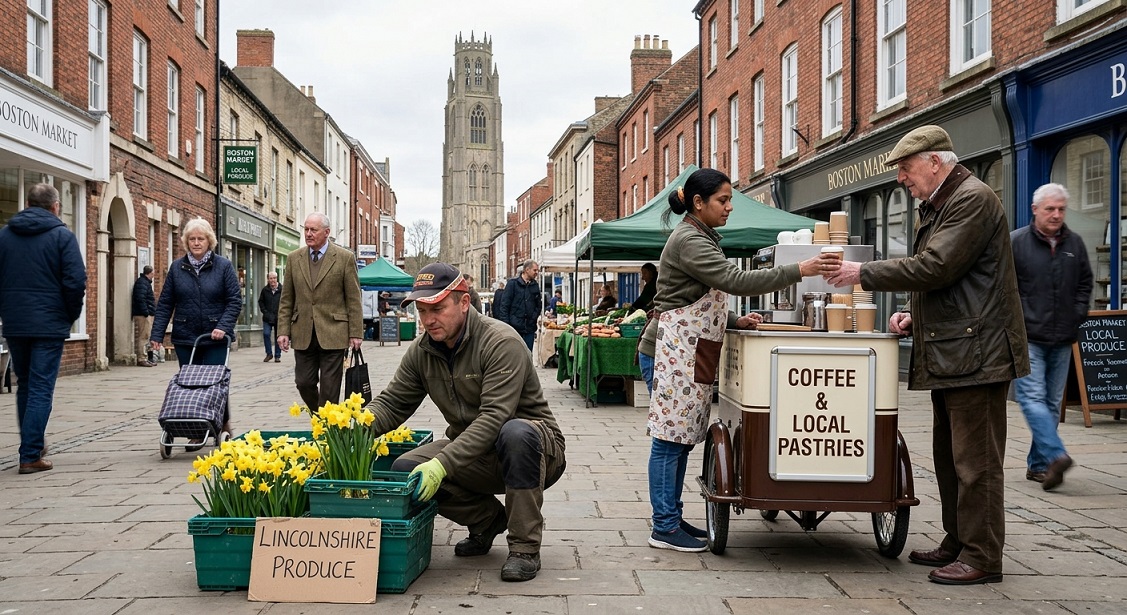
Some build businesses, some work in fields and factories, and some volunteer at churches that once helped them when they themselves were homeless.
Two Polish men who now help with a community meal in Boston were once supported by the church when they could not find work and had nowhere to live.
They do not have much money to give back, so they give their time.
That is also part of Boston’s migration story.
It is not a story of perfect integration; there are still many tensions and cultural differences. And it is not a story in which migrants and local people always understand one another.
It is a story about a town in which people from different places have gradually become neighbours.
As Oonagh puts it, building a community means giving people the opportunity to integrate, respect each other’s differences, agree and disagree, and develop mutual respect.
“If you can break down some of those barriers, you know, like the language, like the culture, like understanding, then I think you’re going to build a much better community.”
Sometimes they argue, sometimes they misunderstand one another, and sometimes they help one another.
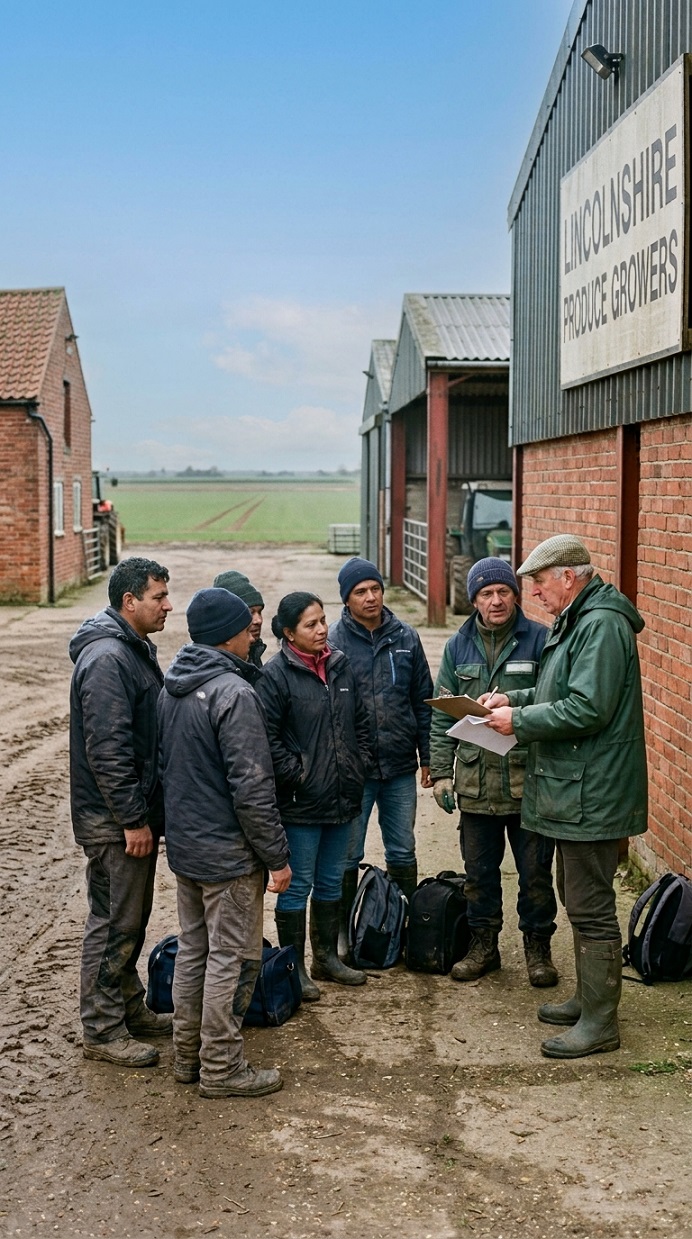
And sometimes, as Boston discovered during the devastating floods of 2013, the distinctions become irrelevant.
When the water came, nobody asked whether their neighbour was Polish, Lithuanian, or English.
They simply asked how they could help.
Perhaps that is what a community ultimately means: not that everyone comes from the same place, speaks the same language or shares the same culture, but that when something happens, you recognise the person next door as one of your own.
*Next week: Finding a place to belong in rural Lincolnshire.
The Prisma Series: Lincolnshire transformed by migrants.
The making of modern and multicultural Boston
Living in parallel: community and tension
The migrants who came to pick daffodils… and stayed
Asylum seekers building lives in rural England
 










.jpg)












