Oscar winner for best original song with “On the other side of the river”, Uruguayan musician Jorge Drexler asserts that migration is a part of human history and defends cultural exchange against xenophobia. In this conversation he also covers identity, prejudices and what unites us beyond our origins.
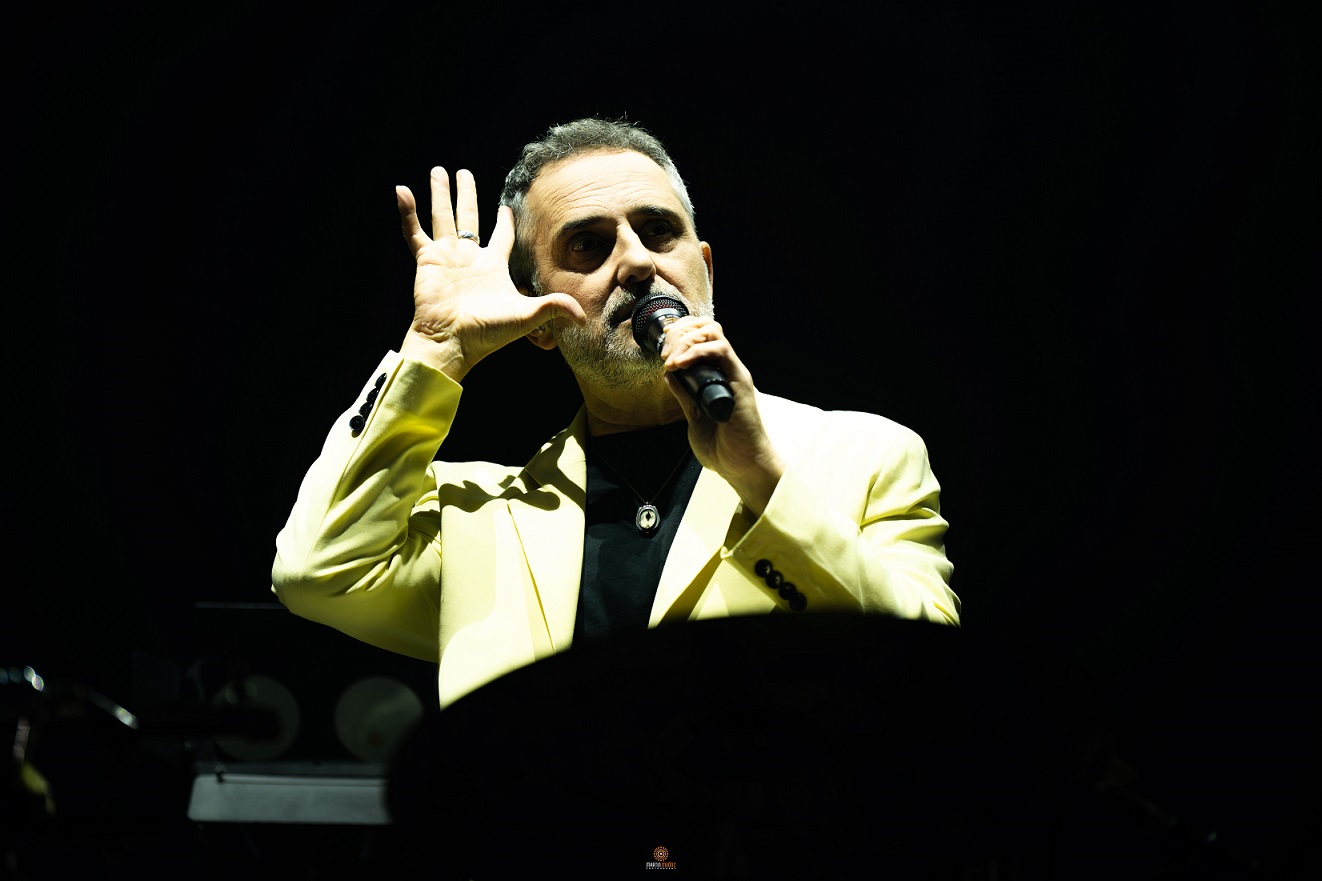
Interview by Pablo Muñoz
Photos by Martin Ikon
The son, grandson and great-grandson of immigrants, he studied medicine, specialising in otolaryngology, but the guitar, rhyme and a passion for human qualities led him down the path of music.
Joaquín Sabina brought him to Spain. He recorded his first four records with Virgin Records between 1995 and 2005, learning to live from his music travelling all over the place and singing on the smallest stages.
In 2005 he won the Oscar for best original song with his “On the other side of the river”, from the film “The Motorcycle Diaries”. It was the first song written in Spanish to be awarded a statue, now accompanied by Emilia Pérez’s “Evil” which won in 2024.
Drexler has also accumulated 16 Latin Grammy awards, sweeping the board on numerous occasions in important categories such as Record of the Year and Song of the Year.
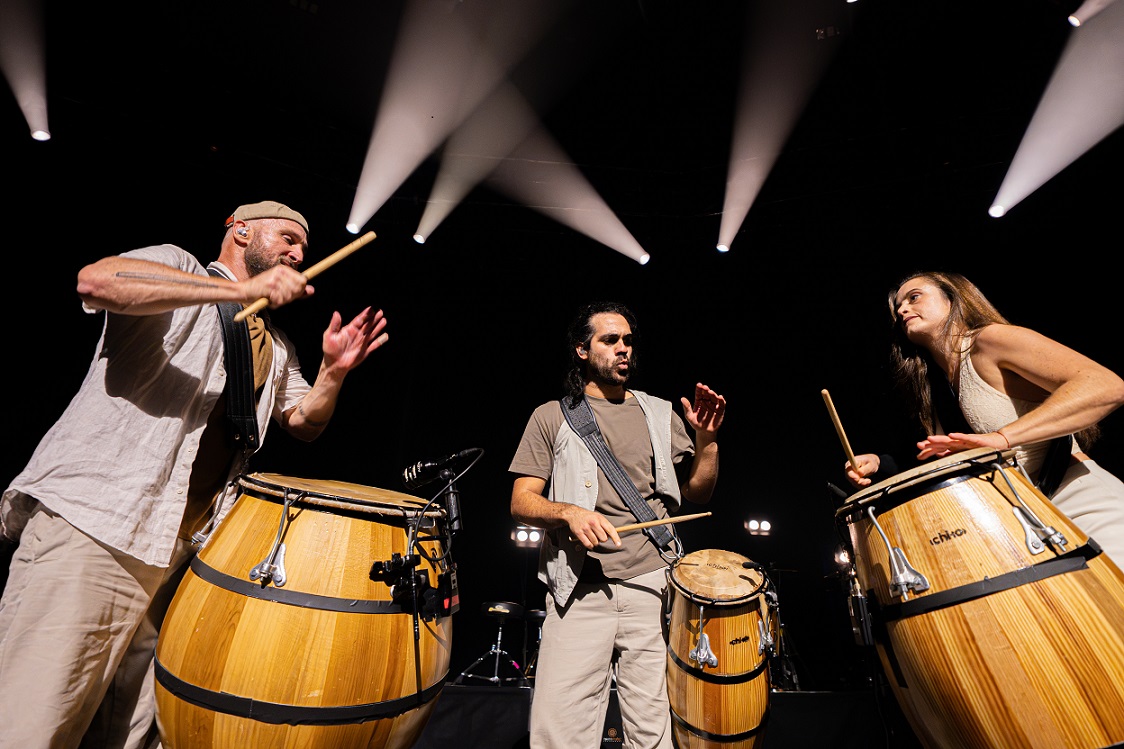
In March 2026 he released his new record “Taracá”, an onomatopoeia of the sound made by the small drum, the base instrument for the Afro-Uruguayan beat that is heard throughout the album: Candombe.
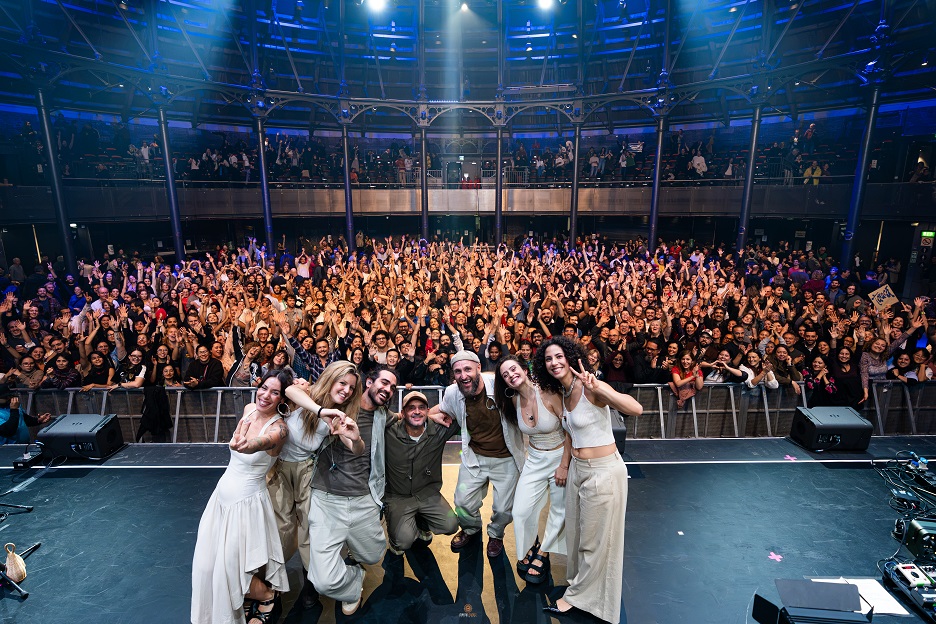
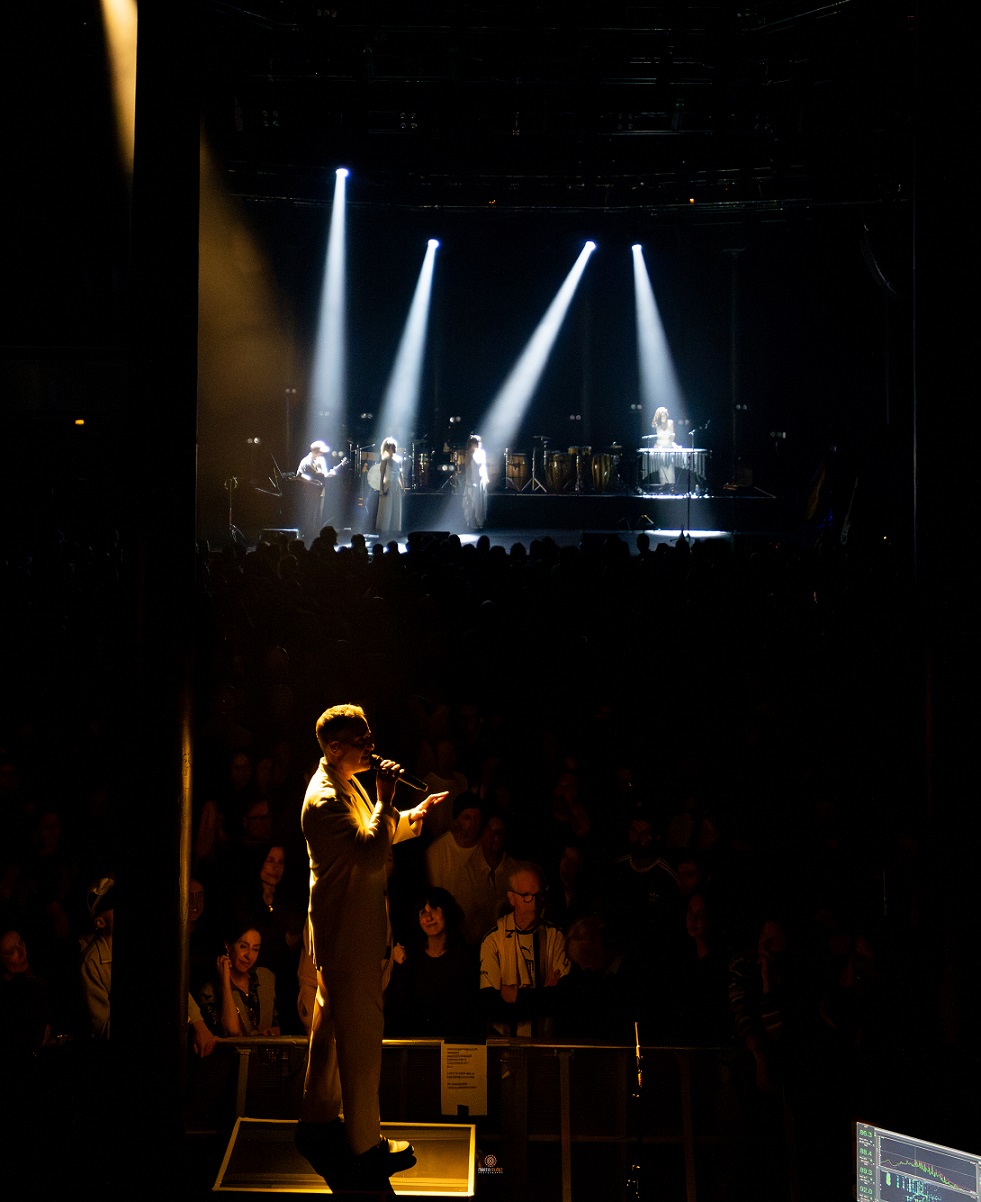
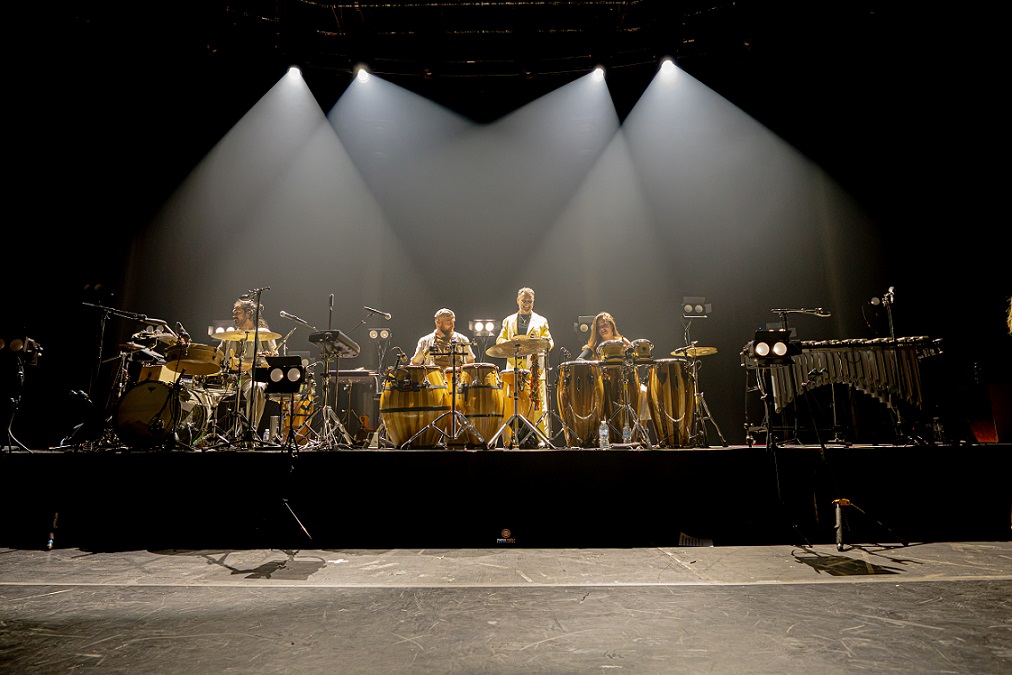
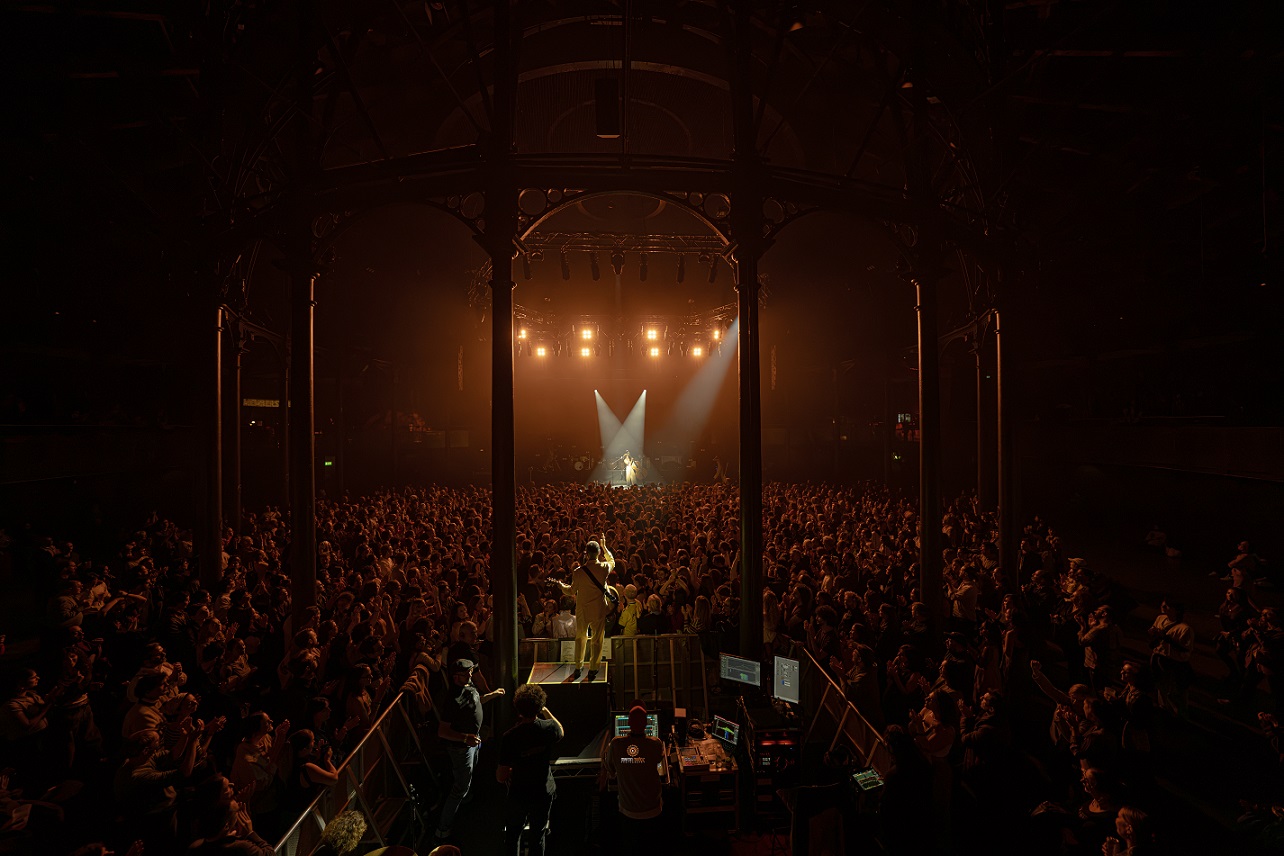
For the occasion of his world tour and his visit to London, where he sang at the Camden Town Roundhouse, The Prisma interviewed the musician to discuss how his migratory experience has affected his artistic career.
 You were born in Uruguay in 1964 but you began your musical career and rapidly learned to “live travelling”. Why is it important for human beings to learn to live outside their place of origin?
Because human beings have never done anything else. We are a travelling species. It’s in my song “Movement”. We are a migratory species. We left our place of origin a relatively short time ago.
We spent the majority of our development as a species in Africa. We all come from there, we are newcomers everywhere and we have conquered the whole planet, even the poles. We have always done that out of pure curiosity. We are a curious species and a species that wants the best for its children and which is willing to move to get it.
How can combining different cultural aspects favour development?
There is no way to make a pure culture. Culture is always an intercultural combination. Saying that culture is pure is like saying a species is pure.
From there the rest has always been combinations, both biological in species and cultural in culture. What’s more, in very similar ways. In other words, we have combined and seen which artistic combinations survived, which died, which were more adaptable, which were more rigid…
 Rigidity has always been a negative element in culture. In other words, rigid culture is dead culture, museum culture. What I like is living culture.
How can that living culture be used in favour of multiculturalism, in a world where the most reactionary groups exhibit clear xenophobia?
I would send them to do a genetic examination of their ancestry so that they see the mixture of origins that it reveals.
There are many videos on the internet of people who think they are completely German or completely English and they realise that they have roots from all over the place. The same thing happens with culture.
Give me the name of any artistic genre. Look back and you will realise that it has other origins.
The purer a culture believes itself to be, the more it is made up of things that come from other places. Mariachi could not be more representative of Mexican culture but its guitars have their origin in Spanish baroque, just like the décima, just like the octosyllable…
Why is Latin American culture so attractive?
It’s not just Latin American culture that is attractive, culture in general is attractive. It all interests me. A week ago I took my first tango lessons. I am from Uruguay, the tango’s country of origin along with Argentina, and I just started studying it recently.
Often one comes across things depending how open one is to them. In contrast, I have been having salsa lessons for longer, and I find salsa closer than tango, even if it is further away culturally.
 Very often geographic proximity is not equivalent to emotional proximity. You will find people in France who feel more strongly about tango than a Uruguayan who was born in Montevideo.
That is beautiful. Culture is an open entity. It is receptive, it invites you to feel you have an identity. It is very beautiful and very valuable as well to know the culture of your grandparents, of your surroundings, but culture is never a prison, it is always a choice.
What unites people, regardless of their origin?
We are united by everything that makes us human. Starting with biology. We have the same metabolism. You can donate a kidney to someone from any ethnic group, and as long as they have the same blood group…
It has been discovered recently that the way we see language is the same across all human languages. A baby can learn any of the languages that are spoken, that have been spoken or that will be spoken.
We have a common linguistic territory, we have shared histories; we have shared myths and fears. Shared narratives, desires and wills, shared music.
What we should ask ourselves is why we have to ask ourselves this question. That is the most disconcerting thing.
 Why do you think it happens?
Whenever there is progress in freedoms and rights, there is a reaction of fear. There is a part of society that is scared by change.
We have to talk to that part of society, we have to have dialogue, we have to explain to it that these things are nothing to be scared of. The easiest way to do this is with direct contact.
You can dismiss a group, but if you know one person in it, you put yourself in their place. It’s much more difficult to hate when you know.
¿How has your migratory experience, both your own and your family’s, helped cement your way of thinking?
We are parents, children, grandchildren and great-grandchildren of immigrants. The migratory experience is never, not even in the best of cases – such as mine, as a privileged emigrant who could leave and enter his country of origin without fleeing from hunger or political persecution – an easy experience.
You always have the feeling of being far away from someone. You end up feeling far away from everything all the time. You become a person with very high levels of determination and bravery.
People who migrate often have no other choice, but they still have to take that decision.
 My immigration was through customs, with paperwork, by aeroplane and with friends waiting for me when I arrived in Madrid. But there are many people who climb aboard a small boat and try to cross the Mediterranean.
And to do that requires a huge amount of bravery and determination.
(Translated by Philip Walker – Email: philipwalkertranslation@gmail.com) – Photos by Martin Ikon, supplied by Baxter PR






.jpg)