A wave of protests over soaring property costs swept across the country from September, culminating in a general strike on 11 November. The eviction and subsequent death of a woman became a symbol of the struggle against property speculation, highlighting wider economic and social inequalities.

Juanjo Andrés Cuervo
There is no doubt that housing is the most relevant topic for the next general election in Spain. According to a survey, the housing situation is the main source of concern for 55% of Spaniards. The second is the economic situation, with 27%. In any case, both issues are related.
As happens around the world, housing prices have risen dramatically in the last decade. In Spain, people on the left and the right tend to blame the PSOE for failing to find a solution after eight years in government.
It is especially painful that, with the PSOE–Unidas Podemos coalition holding an absolute majority in the Congress between 2019 and 2023, it was not able to approve substantial measures to support working people. Despite the constant pressure from Unidas Podemos to take relevant measures, its major ally refused to intervene in the housing market.
All this discontent erupted following an event that was covered by the global media. On 23 September 2026, the 87-year-old Maricarmen Abascal was evicted from her house in Madrid. In another example of the savage nature of capitalism, the company Urbagestión had bought the whole building and had tried to increase her rent from €500 to €2,650. She refused to pay that amount and spent years fighting the company in court.
After she had lived there for over 70 years, her eviction became the catalyst for the protests that took place in many cities across Spain, where thousands of people camped in the main squares. Her death on 7 October saddened and enraged the protesters.
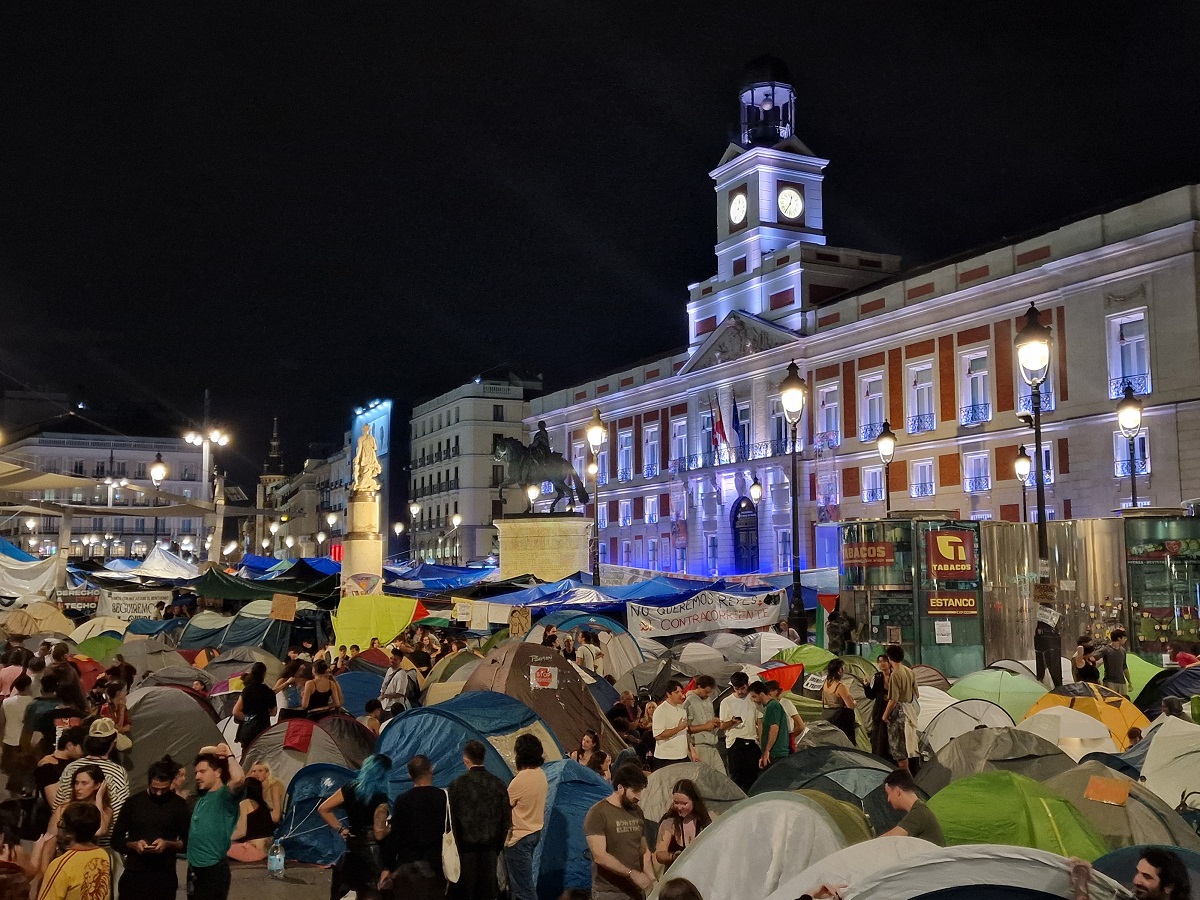
From then on, she became a symbol of the fight against property speculators and the wealthiest.
General strike and social inequalities
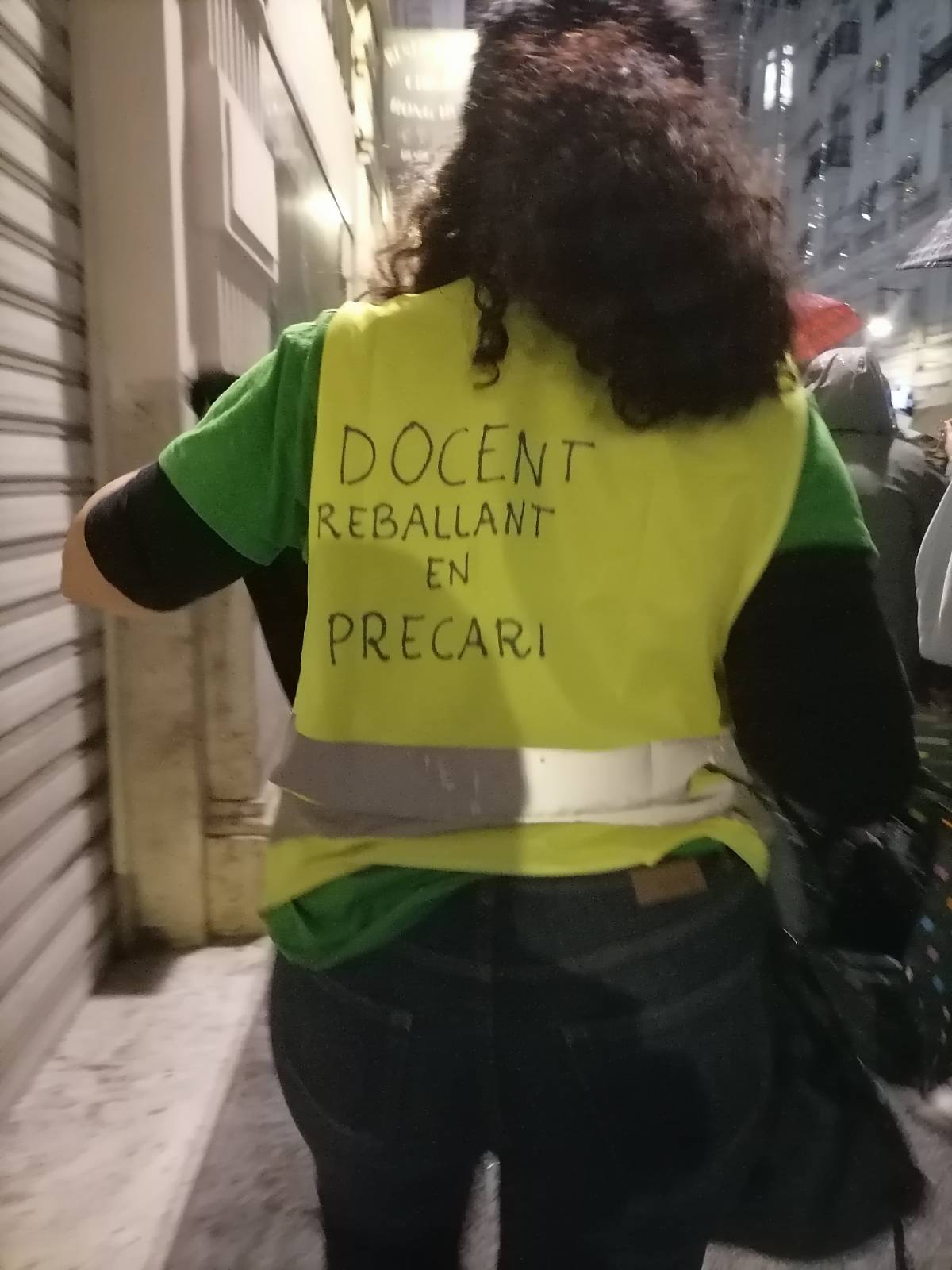
For the first time in 14 years, the Spanish unions called a general strike. The participation of millions of people shows the anger and hope of the Spanish people. Anger at seeing their material conditions diminished while the wealthiest became richer. But also hope that when people unite, things can change.
Just after the general strike, the government passed a housing law which, although it does not solve the problem, is an important first step.
The general strike had a certain distinctive feature. The PSOE and Sumar, the political parties in government, supported working people as they mobilised across the country. By contrast, the PP and Vox demonised the demonstrators. Normally, a general strike is directed against the government. In fact, many people criticise the PSOE for having failed to ameliorate the housing crisis. Nevertheless, there is a feeling among Spaniards that the general strike was a protest against the capitalist system for perpetuating economic and social inequalities, with a particular focus on the housing situation.
This is one of the topics where there seems to be a consensus among the population. According to a survey, 76.3% of Spaniards agree that the state should intervene in the market to regulate housing prices.
The different political parties have to find a solution to the situation. Podemos, Esquerra Republicana de Catalunya and Frente Amplio, which is the coalition of different left-wing parties and the successor to Sumar, are the parties most willing to support tenants against property speculators.
The PSOE’s lack of willingness to take more radical action might undermine its chances to form another coalition government. While a PSOE–Frente Amplio coalition government is necessary to avoid a far-right government, it will not be enough to bring about systemic change that will benefit the majority of the population.
Even with a left-wing government, it is necessary to continue marching in the streets to put pressure on the political institutions.
(Photos: Pixabay)
.








.jpg)