With the exception of the Acropolis in Athens, the most visited ancient Greek site is Delphi but there was another oracle that provides an equally fascinating glimpse into a culture that is other.
 Sean Sheehan
An oracle, blessed with precognition, can prophesise and this ability to predict the future is no mean feat. We can all value its appeal but the status of oracles in ancient Greece is altogether different and far more intriguing than the superficial allure of horoscopes or the ravings of Christian sects whose announcements
of the coming Apocalypse could be accorded some respect if their predictions were based on climate science.
Dodona as the most important place devoted to the cult of Zeus is thought to date back to the Bronze Age (c. 3000 BCE). The oldest reference to the shrine is found from the 8th century BCE and, writing three centuries later, Herodotus regards it as the most ancient place of divination in Greece. It was an open-air sanctuary, and ceremonies took place around a sacred oak tree that was surrounded by cauldrons resting on bronze tripods; touching each other, a sound made on one cauldron reverberated through the others.
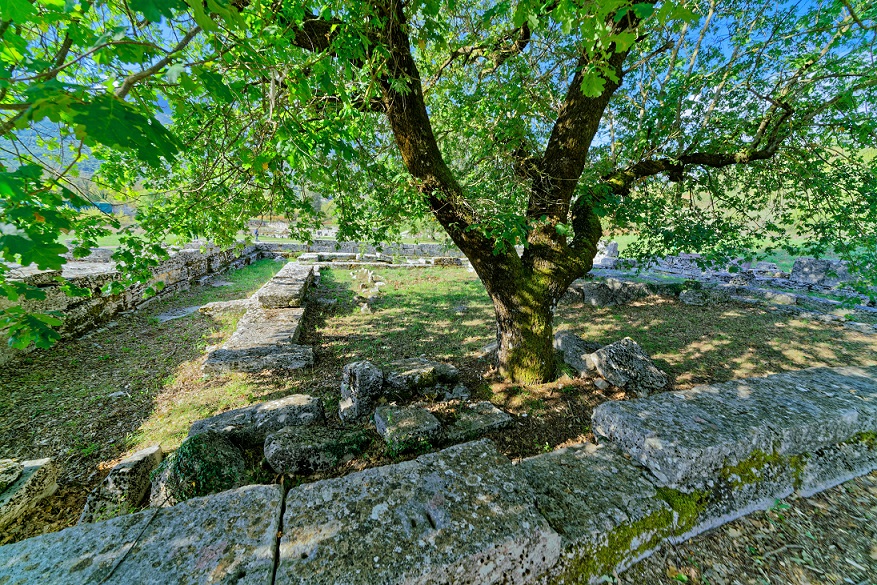
From the modern town of Ioannina in northwest Greece, it takes an hour by car to reach Dodona but in ancient times it required a journey of two days from the nearest harbour of Ambracia; the journey by sea from Athens to the harbour would have taken far longer. The location remains relatively isolated and unfamiliar and, even for visitors today, the sense of reaching a place held sacred is palpable. Little remains of the stone buildings but an oak tree is growing where the original one was planted and what you see is closer to the open-air sanctuary that existed before buildings were added between the fourth and second centuries.
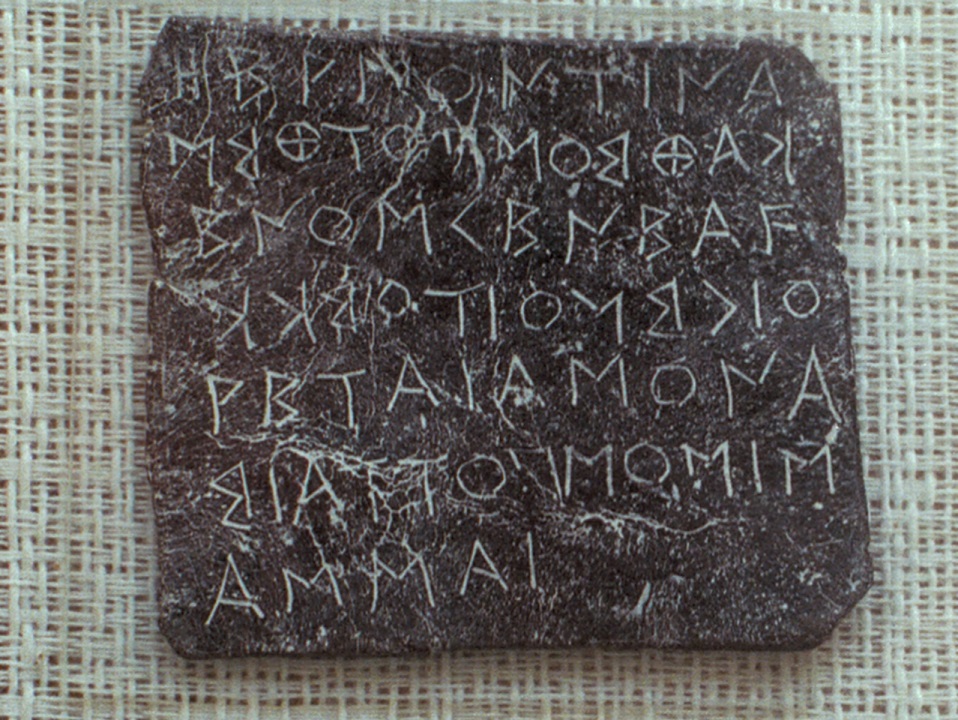
Requests for a prophecy were inscribed on pieces of lead but it is the mode of answering that makes Dodona so distinctive. It is said in the Odyssey’s Book 19 that the hero goes to Dodona “to ask the rustling oak leaves” whether he should return to Ithaca in disguise or as himself – the tree’s acoustics being interpreted either by the priest or priestess or in the form of direct communication with the supplicant. As with Ifa Divination in Cuba, there is a truth claim at work here that should not be dismissed as irrational just because it is a nonrepresentational truth that cannot be doubted or falsified in ways we now take for granted.
The oracle at Dodona must be understood in the way animism is approached by Nastassja Martin in “East of Dreams”: a way of being that is different to ours but not one intrinsically inferior and primitive. The essays in this book work towards the truth of this conclusion.
“Visiting the oracle at Dodona: contexts of unknowing in ancient Greek religion”, edited by Hugh Bowden and Esther Eidinow, is published with open access by Cambridge University Press.









.jpg)