
While Ecuador is starting to reopen its doors to more US interference, other nations in the region are questioning the negative effects of such military agreements.
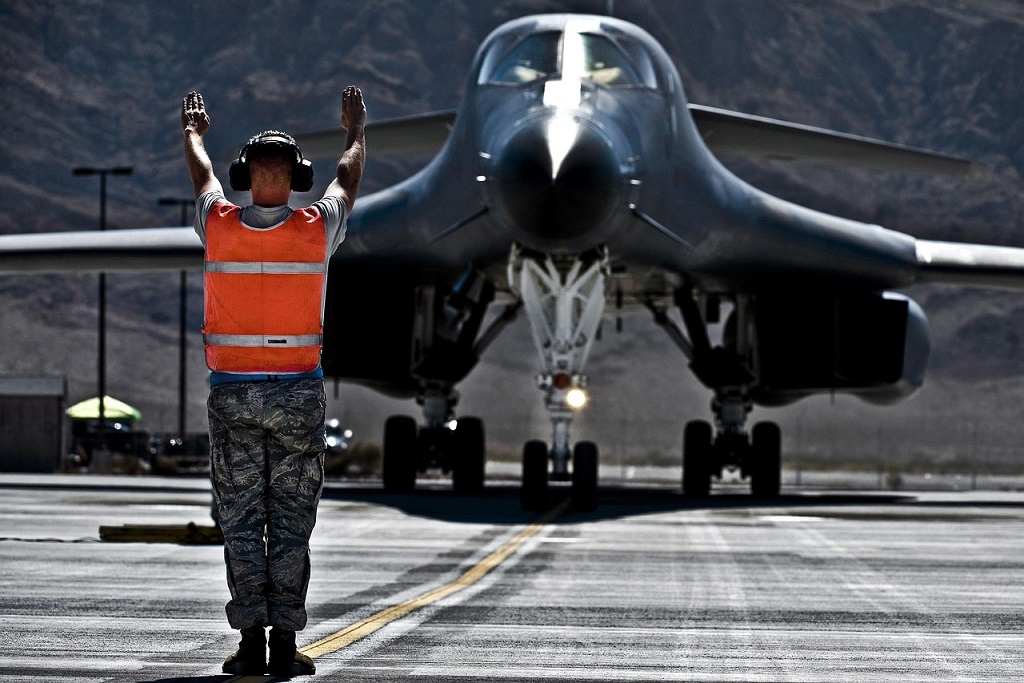 The debate about the possible installation of foreign military bases in Ecuador is today raising worries in the middle of the electoral campaign and recent meetings between Daniel Noboa and US authorities.
The discussion about the effects of a greater US military presence in the country and its impact on national sovereignty took off recently following the CNN publication of existing plans to construct such an installation in the city of Manta.
According to the news channel, there are plans showing that Ecuador’s Ministry of Defence recently signed an agreement with the Manta port authority to build a 150-metre pier and expand the existing port by more than 700 square metres.
In a conversation with Prensa Latina, university professor and political analyst Dax Toscano warned about the implications of a strategy that violates constitutional principles that prohibit the installation of foreign military bases in Ecuador.
 In fact, the National Assembly (Parliament) is processing a proposed constitutional reform proposed by Noboa to allow the stationing of foreign troops, but it has not yet been approved nor has it passed through the corresponding referendum.
Toscano questioned the role of the President, whom he described as a facilitator of Washington’s geopolitical interests in the region.
He recalled that figures such as Laura Richardson, head of the US Southern Command, have openly manifested US interest in Latin America’s natural resources.
In this context, he stated that the foreign military presence in the country does not respond to national security, as the current Ecuadorian government wants to make it seem, but of the strategic interests of the United States.
“We have a blatant presence of US soldiers patrolling the streets of our country, and Ecuadorian soldiers wearing the US flag on their uniforms,” said Toscano.
 The academic also warned about the historical consequences of US military bases in other countries, such as the increase in drug trafficking and human rights violations in territories with US troop presence.
In his opinion, the installation of bases in Ecuador could result in a loss of sovereignty and greater submission to foreign policies.
Although he admits that there are Pentagon troops in Andean lands and even in the insular territory of the Galapagos, he points out that there is another type of base called “nenúfares” (waterlilies) or 2.0. This category, he explains, refers to overflights of the [national] airspace to undertake US intelligence tasks and soldiers who are not permanent, but present for a short period of time. PL
(Translated by Natasha Greenidge – Email: natashagreenidge1@gmail.com) – Photos: Pixabay










.jpg)












