
After arriving on a Student visa, Telojo Emina had just two years post-graduation to find a sponsor — or leave the UK. This is her story of building a life caught between limbo and a ticking clock
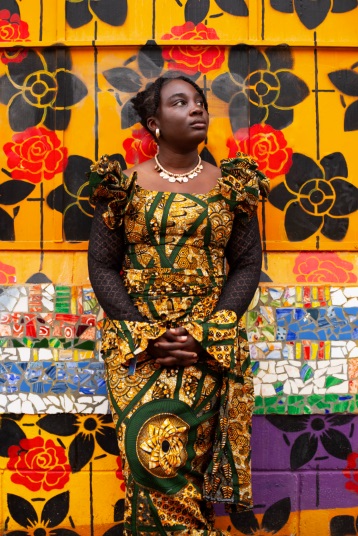
 Text: Telojo Emina / The Bristol Cable
I left my life in Nigeria in September 2022 with one goal: to build something better for myself.
In 2020, the End SARS protests saw young people across Nigeria rise up against police brutality and corruption. We flooded the streets, risking everything to be heard — only to see it end in heartbreak, bloodshed, and denial.
Standing there, witnessing my generation’s courage and pain, I realised something painfully clear: change was never going to come from the top. If I wanted a better life – and a different story – I’d have to write it myself. That’s why I packed my bags, sold everything I had, and got on a plane with nothing but faith.
When I landed in Bristol, I didn’t know what to expect. I hadn’t done hours of research or planned every detail. I just trusted God to do His thing. I was terrified. But Bristol turned out to be the blessing I didn’t know I needed.
This city welcomed me with open arms. A melting pot of cultures, music and food, it gave me a community. People who didn’t just tolerate me, but embraced me. It helped me find my voice again when I felt small and far from home.
“Sorry, we don’t offer sponsorship”
I came on a Student visa that allowed me to study and work part-time. After graduating, I switched to a Post-Study Work visa — a two-year window to find an employer willing to sponsor me for a Skilled Worker visa. If not, I’d have to leave.
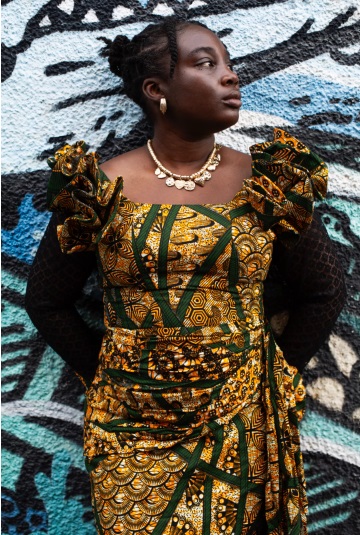 My dream has always been to be a journalist, to tell stories that matter. But reality hit hard: according to the Reuters Institute for the Study of Journalism, Black people make up just 1.3% of journalists in the UK, and I felt isolated trying to enter the industry. I sent out applications, sat through interviews, and kept hearing the same response from employers: “Sorry, we don’t offer sponsorship.”
So I pivoted. Because surviving here means adapting — fast. I worked as a receptionist at BRI Hospital, then moved to North Bristol NHS Trust at Southmead Hospital as a data validator. Eventually, I landed a role as a Communications Assistant.
For the first time since arriving, I felt I was using my skills to make a difference — sharing information, telling stories, supporting patients and staff.
At the same time, I found my voice through community radio. A placement at Ujima Radio turned into a passion. Now I volunteer there, sit on the board of directors, and host The Cruising Show, an Afrobeats show every Wednesday. In 2023, I was even nominated for Best Female Presenter at the UK Community Radio Awards in Newcastle.
I also volunteer as a youth worker with NYCE, supporting young people from disadvantaged backgrounds — because I believe in giving back. That’s what I came here to do.
But the week before I started my comms job, the government changed the list of roles eligible for sponsorship — again. Entry-level comms roles were suddenly excluded.
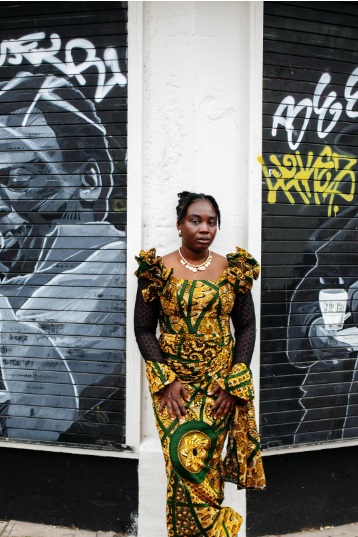 Then, as I was writing this, Labour introduced a white paper on migration with even tougher rules and higher salary thresholds that feel impossible to meet straight out of university. The new rules kick in on 22 July.
“It feels like we can’t win”
Whenever I ask people I know for advice, everyone says the same thing: “Go into care work. It’s the easiest way to get sponsored.”
But why should I have to abandon my dreams, put my career on hold, and bury everything I’ve built just to stay in a place I already give so much to?
My husband, my friends – we’re all in the same predicament. We work hard, pay our taxes. We came to contribute, but it still feels like we can’t win.
The weight of this uncertainty is slowly crushing me. It seeps into my sleep, my mental health, my relationships. Some nights, I lie awake wondering if I’ll soon have to say goodbye to Bristol, the city I now call home.
I don’t know what the future holds. I just hope that a few years from now, my mind will be lighter, my future more secure, and that this system will be fairer.
Until then, I’ll keep doing what I’ve always done: working hard, supporting others, loving this city — and trusting that somehow, God will make a way.
*Article originally published in The Bristol Cable.
 Special Edition on Migration
The diaspora beyond fear and misinformation
Life at the U.S-Mexico border under Trump administration
I came to the UK for a better future; now I’m stuck in the visa trap
“I wasn’t taught about colonialism in school, so I taught myself”
“Borders for me are a geography of pain”: A Kurdish journalist’s path to Sheffield
How local communities are rejecting media panic over immigration
Diaspora in London: stories of journeys, resilience and creativity
Hundreds march for unity in Falkirk
The Yemeni journey in Sheffield: struggle, solidarity and renewal
Violence against women, a weapon for racist propaganda
Seven activist documentaries available for free
Influence of the media on perceptions of migrants
From surviving the war to facing racism and xenophobia
When multiculturalism becomes a political weapon










.jpg)












