
Four generations of strength, community and achievement – from steelworkers to MPs, professors and young visionaries shaping the future of our city.
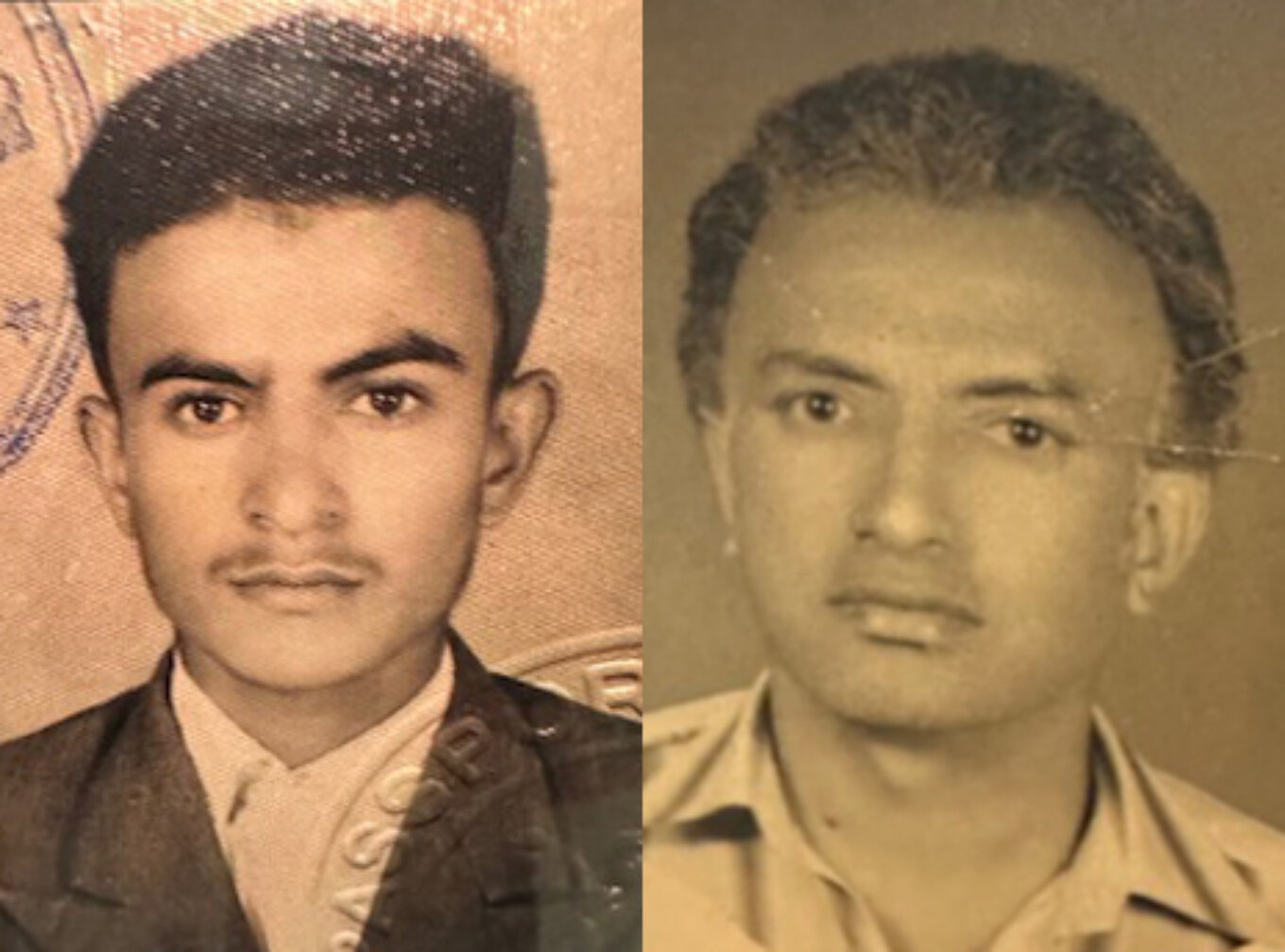
 Dr Abdul Galil Shaif /Now Then*
Yemenis have been settling in Britain for more than 150 years, making them one of the UK’s longest-established Arab communities. In the 19th century, many arrived as seamen and traders, settling near ports like London, Cardiff and Bristol. Sheffield City Council’s records trace Yemeni presence in the city back at least a century and a half.
The community’s roots deepened in the 1950s and 60s, when Britain’s booming steel industry urgently needed labour. Recruitment drives stretched as far as the Yemeni city of Aden, then under British colonial rule. Newspaper adverts called for “strong men” to work in Sheffield’s foundries and mills. Many Yemenis answered the call.
One of them was my father, Shaif Abubaker Kasim, a farmer from the mountains of Sha‘ib. With no English but strong arms hardened by agricultural work, he passed the crude recruitment test – a squeeze of the biceps, a shake of the leg muscles – and was granted a British passport. His journey took him from Aden to India by sea, then Cardiff, and finally Sheffield in 1955, where he joined comrades from Sha‘ib in Attercliffe, the heart of the city’s steel production.
These men came not for adventure, but for survival. They dreamed of supporting their families and one day returning home. Instead, they often found themselves in the most dangerous corners of the steelworks, working with furnaces, hammer machines, cranes and molten pits.
Shifts stretched up to 80 hours a week, where the air burned the lungs and the noise shattered hearing. Accidents were merciless: crushed bones, severed fingers and limbs lost to machines.
 Many carried injuries and chronic illness for life. My father later reflected: “The only beneficiary of my 45 years of labour was the steel industry.”
But their contribution was immense. Fellow steelworker Sa’id Ali Alsubahi recalled: “We did the jobs the white working-class community refused to do. Our only language was the tongue forged on the factory floor, in fire, steel and sweat.” As Kevin Searle observed in his book “From farms to foundries: an Arab community in industrial Britain”: “Sheffield’s Yemeni community remained largely invisible. This invisibility is striking – not only for reasons of equity, but because it is a powerful example of an arriving Muslim community making a crucial contribution to British industry and society during an era of racial hostility and rising Islamophobia.”
Until the 1970s, most Yemeni men lived together in Victorian boarding houses in Attercliffe, often on the same streets. They cooked and ate communally, recreating Yemen in miniature. The area became known as Little Aden because of the sheer concentration of Yemenis.
But it was not only men who built a life here. When families began to reunite, women transformed Burngreave and Attercliffe into living communities. They were the cultural anchors – raising children in difficult conditions, preserving traditions, and ensuring education and opportunity were never out of reach. One elder told me: “The men built Sheffield’s steel, but the women built Sheffield’s Yemeni community.”
 By the mid-1970s, with families reunited through council housing, Sheffield’s Yemeni population had grown close to 10,000. Politicised by their struggles, steelworkers began to organise not only for survival but for dignity. In 1971, pooling small contributions, they bought a semi-detached house on Burngreave Road. It became the Yemeni Workers’ Union, a hub of activism and solidarity that still serves the community today. As another elder reflected: “We had little money, little English and little power. But together we built something no one could take away from us.”
Behind the furnaces and cranes, while men worked gruelling shifts, Yemeni women raised families, kept boarding houses running and became leaders, organising health projects, literacy classes and women’s groups.”
Their leadership proved essential in campaigns for schools, childcare and equal access to healthcare. They defended Earl Marshal School, pressed for GCSE Arabic and created pre-school and after-school provision. As Anisa Mohammed put it: “My father was a steelworker who gave his life to the prosperity of Sheffield. My role in supporting the community to take its rightful place in the prosperity of this city is equal in measure.”
Today, Yemeni women are politicians, head teachers, entrepreneurs and academics.
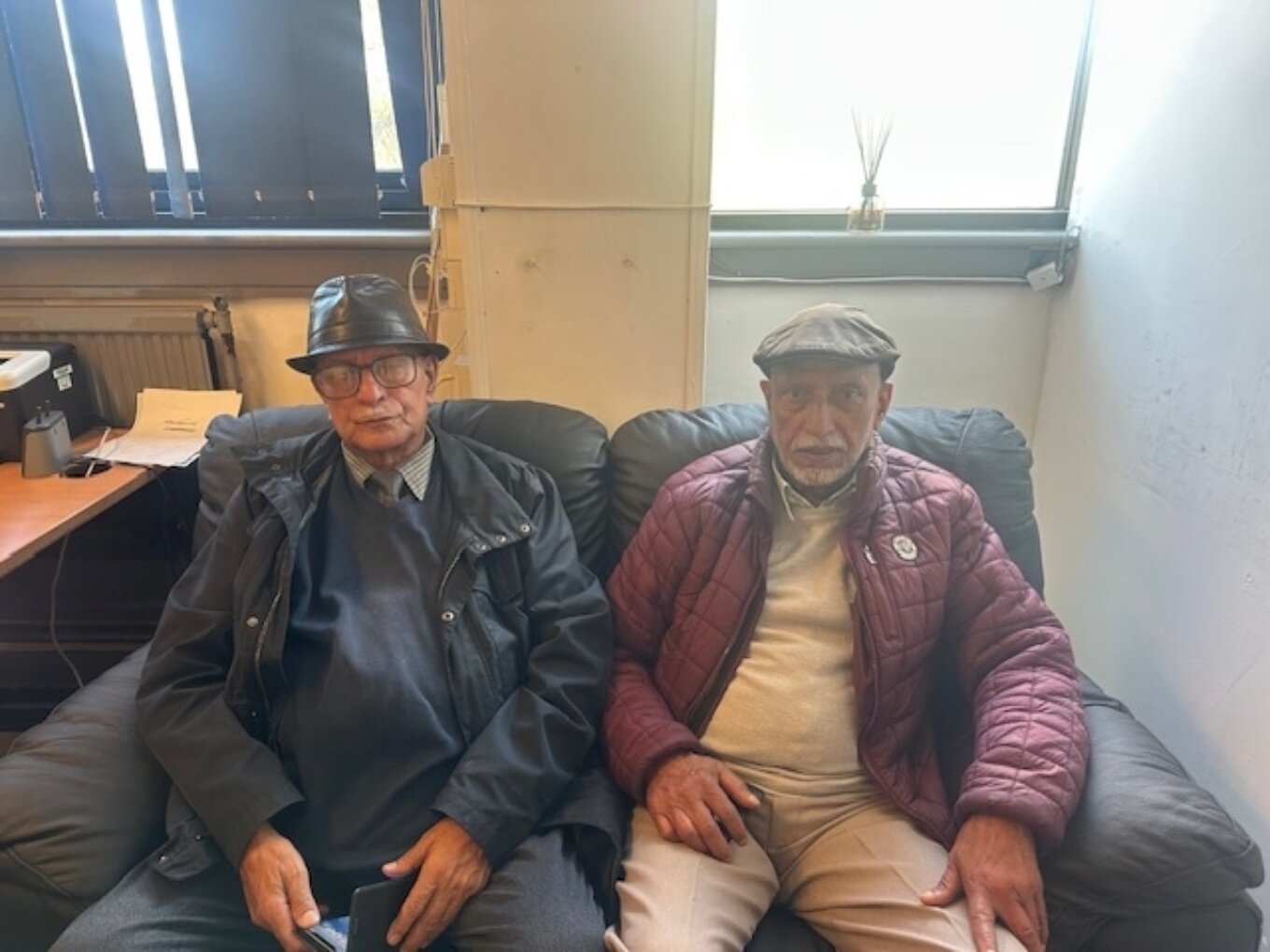
In community organisations like Aspiring Communities Together (ACT), they lead empowerment programmes, youth mentoring and education initiatives. It’s no exaggeration to say that women have become the beating heart of the Yemeni community in the city, carrying forward the resilience of their mothers and grandmothers while cutting new paths for future generations.
The 1980s brought devastation. Margaret Thatcher’s restructuring of heavy industry wiped out more than 150,000 steel jobs in the UK. For Sheffield’s Yemeni men, redundancy meant unemployment, poverty and shattered dreams. Many died in Sheffield, buried in the city they helped to build.
A furnace operator since the 1960s, Said Ali was made redundant in 1983. Unable to retrain, he helped establish the Yemeni Community Association, which is now known as ACT. Now in his 80s, he continues as a full-time volunteer: “My story is not about loss, but about how we refused to give up. We turned suffering into strength.”
Awad Gobran, a crane operator from Yafi‘, also transformed redundancy into opportunity, helping to found the Hadfield Institute, offering education, cultural programmes and youth activities. Awad says: “We need to make this city a thriving city where inequality becomes the story of the past.”
The Yemeni community consistently resisted marginalisation with courage and creativity, spearheading campaigns that combined workplace struggle, social justice and cultural expression. They stood with trade unions for fair conditions – even when union leadership failed to recognise them – and won important welfare victories like compensation for industrial deafness, a widespread affliction among steelworkers.
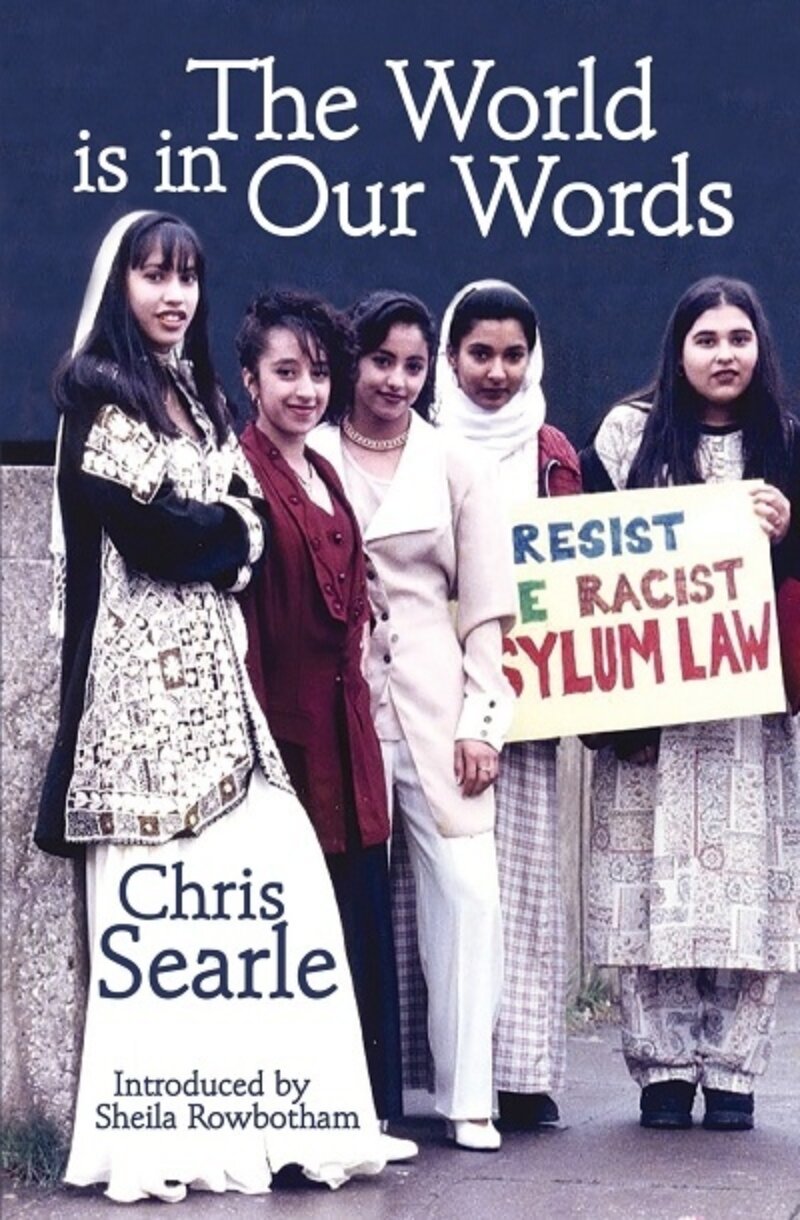
Education was at the heart of their activism. The Literacy Campaign, the Burngreave Road Elders’ Education class and free weekend Arabic lessons eventually led to the introduction of GCSE Arabic in Sheffield schools. This commitment to learning and self-expression was further embodied in the ‘Pedagogy of Story’, recorded by local teacher Chris Searle in his book “The world is in our words”.
The community also built powerful alliances through the Black Community Forum in the 1990s, fostering unity among African, Caribbean and Asian groups. Their vision extended beyond Britain, as they stood in solidarity with the anti-apartheid movement in South Africa, championed the cause of Palestine and raised vital funds for Yemen.
As one activist put it: “Our fight for dignity at home was always tied to struggles for justice abroad.”
Out of these struggles grew enduring institutions. The Yemeni Community Association, formalised in 1986, evolved into Aspiring Communities Together (ACT) in 2015. Today, ACT is an award-winning charity and one of Sheffield’s most respected organisations. Its services include adult education, youth mentoring, women’s empowerment, health and wellbeing programmes, pre-school, language classes and advice services in partnership with Citizens Advice Sheffield. One important achievement has been the creation of classes for excluded school students to help their reintegration into the broader education system, with particular support for young people of the neighbouring Sheffield Slovak-Roma community.
During the pandemic and in times of local unrest, ACT played a critical and compassionate role in caring for all communities, supporting vulnerable families and partnering with the NHS. It now stands as a model of collaboration. As one ACT trustee remarked: “We began as steelworkers pooling pennies for survival. Now we are partners with universities, councils and the NHS – yet our values of solidarity remain the same.#
The Yemeni journey in Sheffield can be told through four generations:
The steelworkers – men of strength who gave their labour to Britain.
The organisers and campaigners – founders of unions, institutions and schools.
The pioneers – professionals, lawyers, scientists, head teachers, councillors and MPs. Among them are Professor Munitta Muthana in the medical field, Abtisam Mohamed MP as a parliamentarian, and her sister Hannan Mohamed as Sheffield’s first Yemeni head teacher – powerful examples of third-generation achievement.
The visionaries – today’s youth, confronting new challenges: climate crisis, racism and inequality.
As one young Yemeni student recently said: “We stand on the shoulders of giants. They built the path – we have to decide where it leads.”
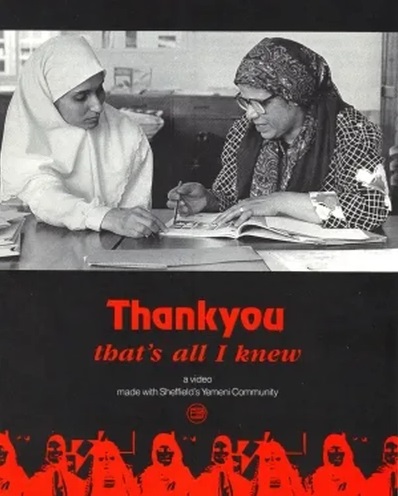
In 1989, the Sheffield Film Co-op released “Thank you – That’s all I knew”, documenting Sheffield’s Yemeni Literacy Campaign. Together with books and journal articles like From Farms to foundries and Drinking from one pot: Yemeni unity, At home and overseas, these archives preserve resilience, creativity and memory.
What began with men recruited for their strength has become a thriving community of MPs, professors, entrepreneurs, councillors and head teachers.
It’s a story of hardship and transformation, showing how immigration enriches not just Sheffield, but Britain as a whole.
Our fathers built steel – we build futures.
*Article originally published in New Then.
(Photos Now Then y Pixabay)
 Special Edition on Migration
The diaspora beyond fear and misinformation
Life at the U.S-Mexico border under Trump administration
I came to the UK for a better future; now I’m stuck in the visa trap
“I wasn’t taught about colonialism in school, so I taught myself”
“Borders for me are a geography of pain”: A Kurdish journalist’s path to Sheffield
How local communities are rejecting media panic over immigration
Diaspora in London: stories of journeys, resilience and creativity
Hundreds march for unity in Falkirk
The Yemeni journey in Sheffield: struggle, solidarity and renewal
Violence against women, a weapon for racist propaganda
Seven activist documentaries available for free
Influence of the media on perceptions of migrants
From surviving the war to facing racism and xenophobia
When multiculturalism becomes a political weapon










.jpg)












