On 29 November, Spanish voters will choose a new parliament in an election that could determine whether the left remains in government or the far-right gains power. Sánchez faces growing discontent over housing and the limitations of his coalition, despite his outspoken stance on international conflicts.
Juanjo Andrés Cuervo
The Spanish Socialist Workers’ Party (PSOE) has been the leading party in the Spanish government since 2018. That year, together with Unidas Podemos, it led a successful vote of no confidence against Mariano Rajoy, who was the leader of the People’s Party (PP).
After eight years in government, the two coalition governments formed by the PSOE with Unidas Podemos and Sumar have improved the situation of working-class people in Spain. In the first term (2019–2023), the Spanish government approved a major labour reform, raised the minimum wage several times and created a living income. The second term has been more complicated. Because the PSOE-Sumar coalition could not secure a left-wing majority in parliament, it had to rely on the support of the right-wing Catalan Junts per Catalunya and the Basque Nationalist Party (PNV).
This unnatural alliance has meant that the left-wing deputies have hardly been able to pass any substantial measures since 2023, thus diminishing their popularity among the population. And despite the fact that the level of employment in Spain is much higher than a decade ago, the economic and housing crises are undermining the real wages of the working class. When the material conditions are not met, a progressive government loses its legitimacy.

Sánchez and international fascism
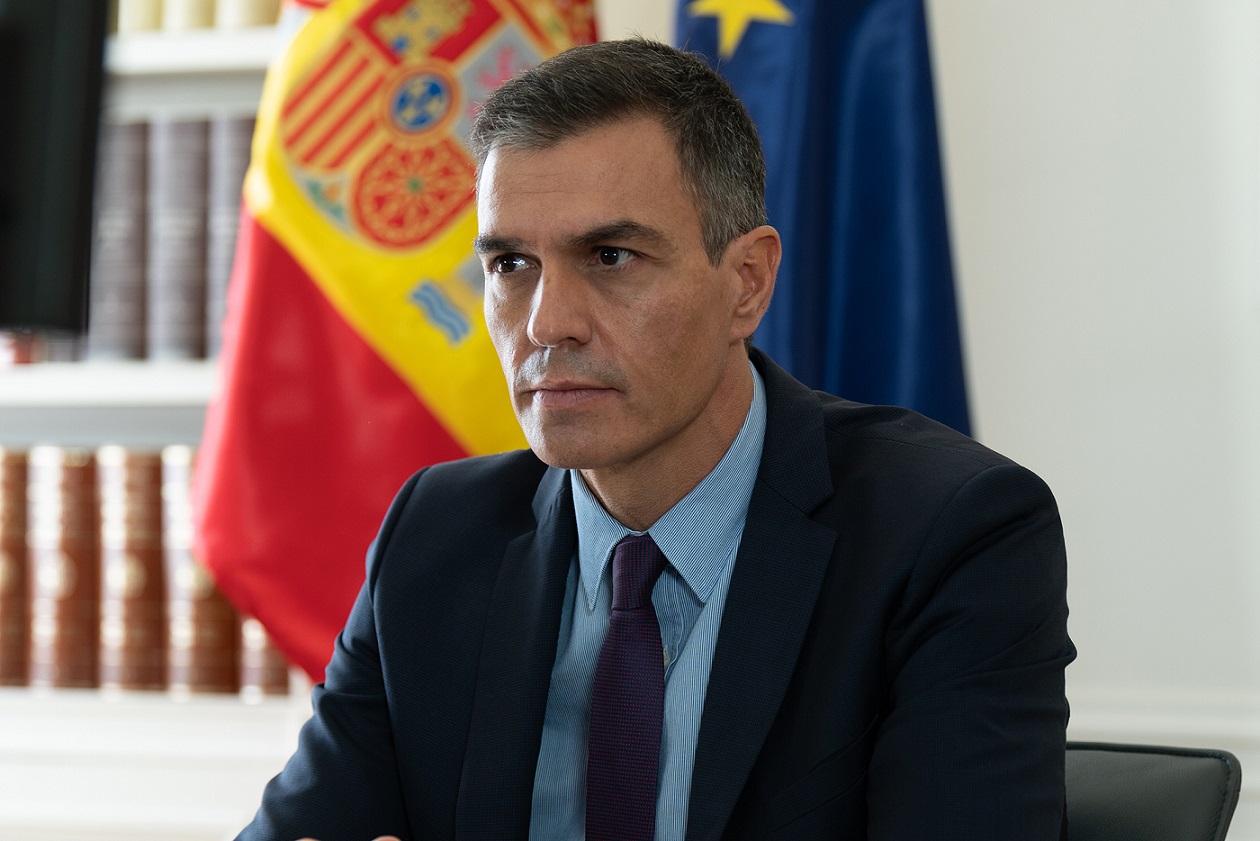
Beyond the achievements and failures of the two successive governments led by the PSOE, Pedro Sánchez has earned many enemies in fascist circles. Considering that he has been in power for eight years, this should be no surprise. Nevertheless, the constant attacks by the media backed by the PP and Vox have diminished the public image of the Spanish prime minister.
When Pablo Iglesias left institutional politics in 2021, one could assume that Pedro Sánchez was happy. In fact, the leader of the PSOE never wanted to form an alliance with Unidas Podemos, something that he avoided three times in the elections of 2015, 2016 and 2019. Eventually, he gave up after the fourth general election in four years and established the first left-wing coalition government since 1936.
And yet, with Pablo Iglesias out and the figure of Irene Montero eroded after a brutal persecution by the media, Pedro Sánchez suddenly became the representative of socialism in the eyes of the right-wing elites. Not just at the national level: figures like Milei, Trump and Netanyahu have also constantly criticised Pedro Sánchez.
It is precisely this list of enemies that has strengthened the global image of the Spanish president. By criticising the genocide perpetrated by Israel against the Palestinian people, the increase in military spending ordered by NATO and the invasion of Iran by Israel and the USA, he has amassed huge popularity among the global left.
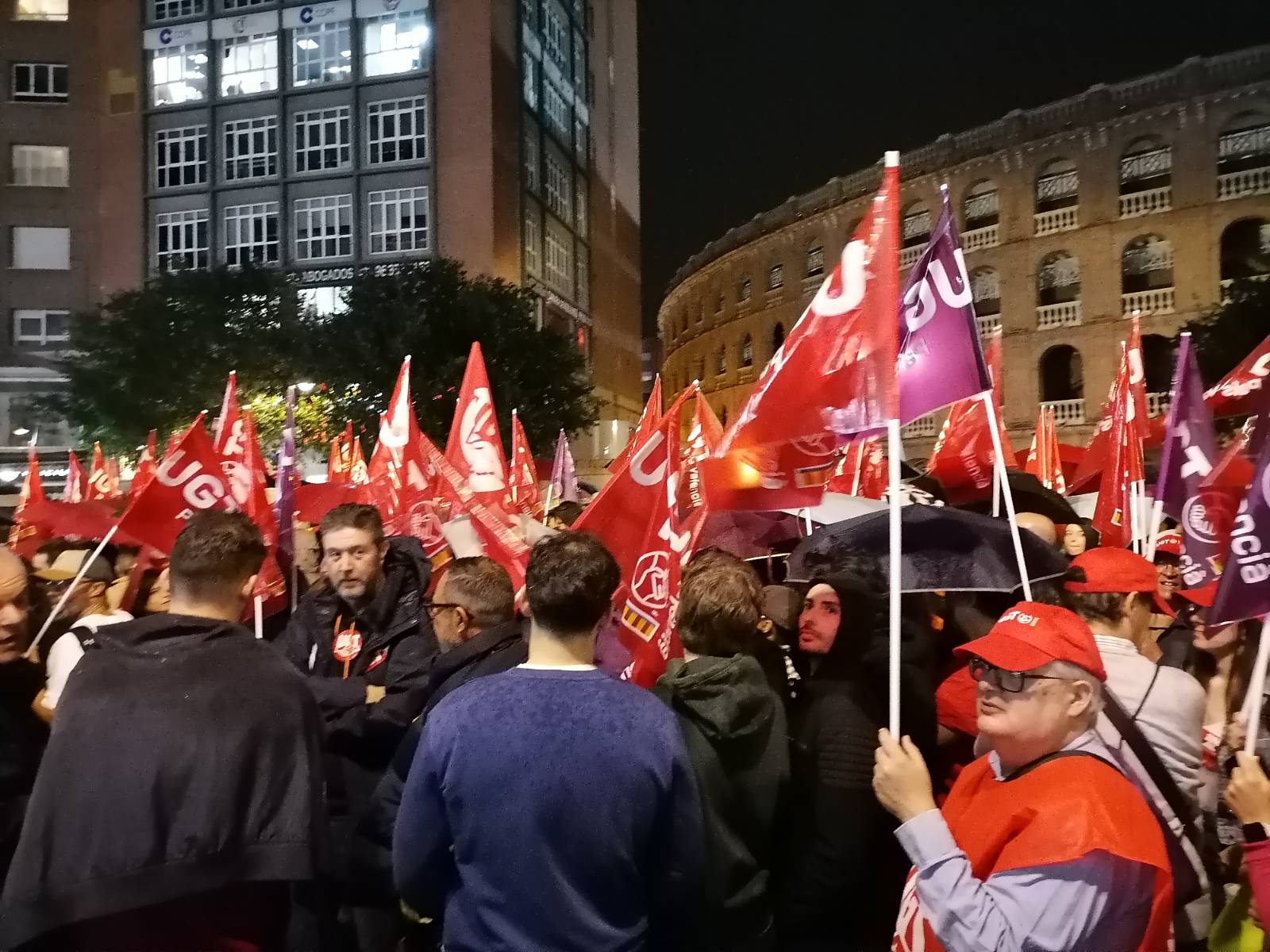
Beyond the combative rhetoric that sounds appealing, he never cut ties with Israel and raised military expenditure. The problem for Pedro Sánchez is the fact that, while people tend to agree that he has been a brave leader and almost an exception in Europe for denouncing the international crimes committed by Israel and the USA, the housing crisis threatens to bury a political option that lacked the boldness to at least reform the system in a significant way.
(Photos: Pixabay)








.jpg)