A study by two Brazilian organisations recorded 134 incidents of political violence during the 2026 election campaign; 52.2% of the victims were women. The threats against an elected MP, a 21-year-old Black woman, also show the racist and misogynistic nature of these attacks.
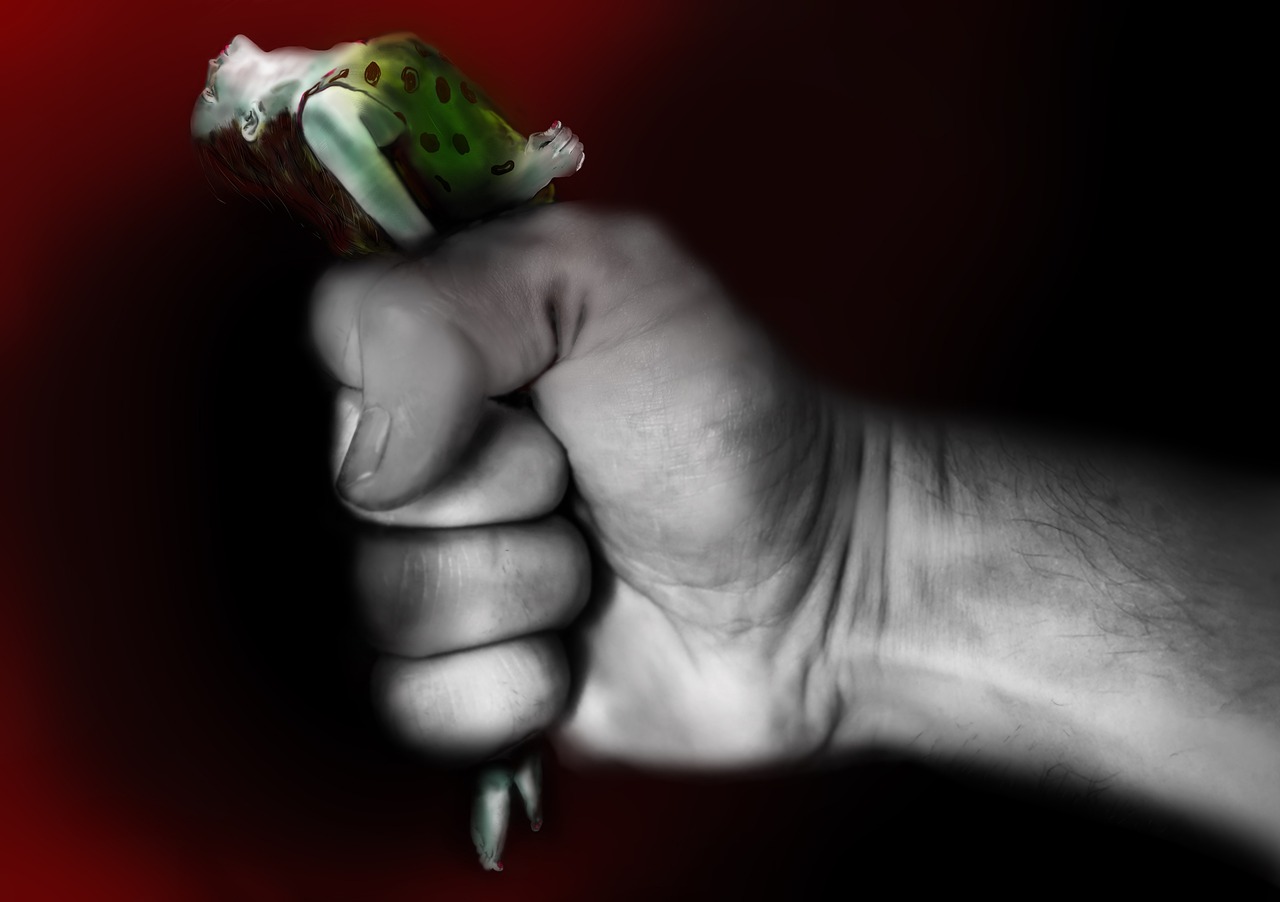 Fear as a tool to prevent women’s participation in politics in Brazil. An example of this is the elected MP Ana Elisa Santos Silva, who at 21 became the youngest woman to reach this position. She reported receiving rape and murder threats, alongside racist insults, in messages that she had received since her participation in the general election campaign.
“I stood for election, won an election and since then I have lost my freedom,” she said in a video shared on social media, in which she explained that she is afraid to go out into the street.
Elected by the Workers’ Party in Minas Gerais with 524,219 votes, the young woman received the second-highest number of votes in the state for the Chamber of Deputies.
Her identity as a Black woman and her entry into a traditionally unequal sphere of political representation form part of the context of attacks that cannot be reduced to an isolated incident of personal harassment.
An email which she made public contained explicit threats of sexual violence and death, and racist comments. The case is part of a much wider phenomenon: a study by the organisations Terra de Direitos and Justiça Global recorded 134 incidents of political violence during the 50-day campaign period for the first round of the 2026 elections, held on 4 October. Of these, 70 involved women as victims, representing 52.2% of the total.
 Of the 102 attacks specifically targeting candidates, 60 affected women, equal to 58.8%, even though women accounted for just 34.85% of all candidates. Threats were the most frequent form of violence, with 64 cases, followed by 33 incidents of verbal abuse and 19 physical attacks.
In this context, the gender dimension is particularly evident: of the 70 female victims, 45 suffered forms of sexism or misogyny, nine were subjected to racism and five to transphobia. The seven threats of sexual violence identified during this period were directed exclusively at women as targets. The Ministry of Women provides another dimension to the problem. Between January and August 2026, the Ligue 180 service received 1,564 reports of political violence against women.
Of these, 842 involved Black women (53%), while the forms of abuse included threats, defamation, questioning of their abilities, racial and gender discrimination, and intimidation intended to hinder their participation in decision-making spaces.
This violence against Black women has, in addition, a historical context which recalls the murder of councillor Marielle Franco, carried out in Rio de Janeiro in March 2018. The reaction to Ana Elisa’s case brought together representatives from different political groups, public figures and organisations.
 Former Environment Minister and MP Marina Silva warned that threats of rape, violence and death constitute a way of driving women out of politics and an attack on the right of Black women to hold political office without fear.
In turn, MP Erika Hilton expressed her solidarity and condemned the normalisation of attacks against women, Black people and LGBTQIA+ communities, while her colleague Maria do Rosário announced that she would take legal action to combat gender-based political violence. Henrique Vieira, pastor and parliamentarian; José Guimarães; the Minister of the Secretariat for Institutional Relations and elected MP Jones Manoel, among other public figures expressed support for Ana Elisa. TV presenter Xuxa Meneghel, for her part, called on people to join an “Anti-Racist Army” (“Ejército Antirracista”) and advocated greater representation of women, Black people and Indigenous people in decision-making spaces. Her appeal broadened the discussion beyond the individual protection of the MP, placing it within the wider context of political representation and racial equality.
At an institutional level, the Ministry of Human Rights (Ministerio de Derechos Humanos) confirmed that Ana Elisa has been receiving support since 9 October through the Programme for the Protection of Human Rights Defenders, Communicators and Environmentalists (Programa de Protección a Defensores de Derechos Humanos, Comunicadores y Ambientalistas).
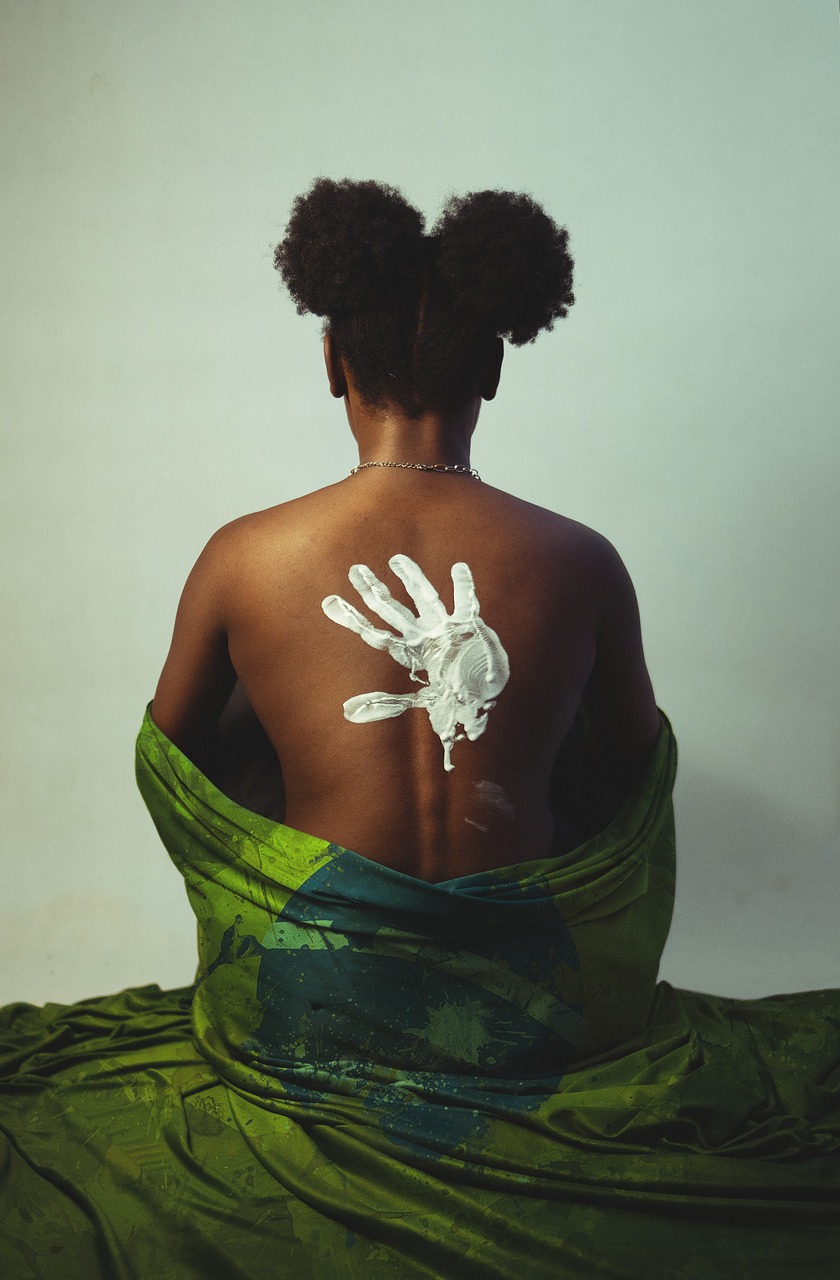 In turn, the Ministry of Justice (Ministerio de Justicia) reported that the Federal Police are investigating the threats, and that ongoing protection and close-monitoring measures are being implemented, with the support of the National Force (Fuerza Nacional) and the authorities in Minas Gerais.
Since 2021, Brazil has had Law 14.192 in force, which defines political violence against women as a criminal offence and establishes mechanisms to prevent and punish it.
However, the study by Terra de Direitos and Justiça Global reported that none of the 134 incidents recorded during the election campaign had resulted in sanctions by the time its investigation was completed.
As the case of Marielle showed, and Ana Elisa’s case has once again revealed, the struggle for political participation is also a struggle against structures of racism and misogyny that seek to silence women’s voices, question their legitimacy and exclude them from positions of political representation and power. PL
(Translated by Carol M Byrne – Email: guerrera247@hotmail.com) – Photos: Pixabay








.jpg)