
Everyone will have seen the image of a defiant Trump, his ear and cheek blood-spattered, being rushed off stage by Secret Service agents at an open-air campaign rally in Pennsylvania.
Sean Sheehan
At the time of the attempted assassination, July 2024, Trump was a former president of the United States and about to become the nominee in that year’s presidential election.
The image of him, fist raised and with an American flag in the background, has all the ingredients of a genuinely iconic photograph, one emblematic of courage in the face of those who would bury a messenger of hope and change. It invites comparison with the last photo of Salvador Allende, on September 11, 1973, in the presidential palace in Santiago, looking up at fighter planes flying low overhead as part of a coup taking place in cooperation with the country that Trump was soon be again elected as its president.
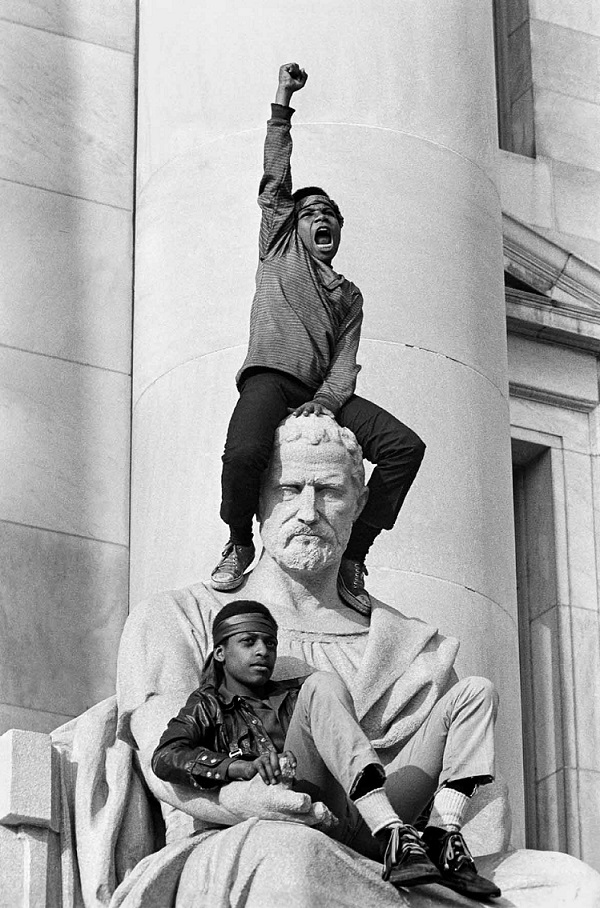
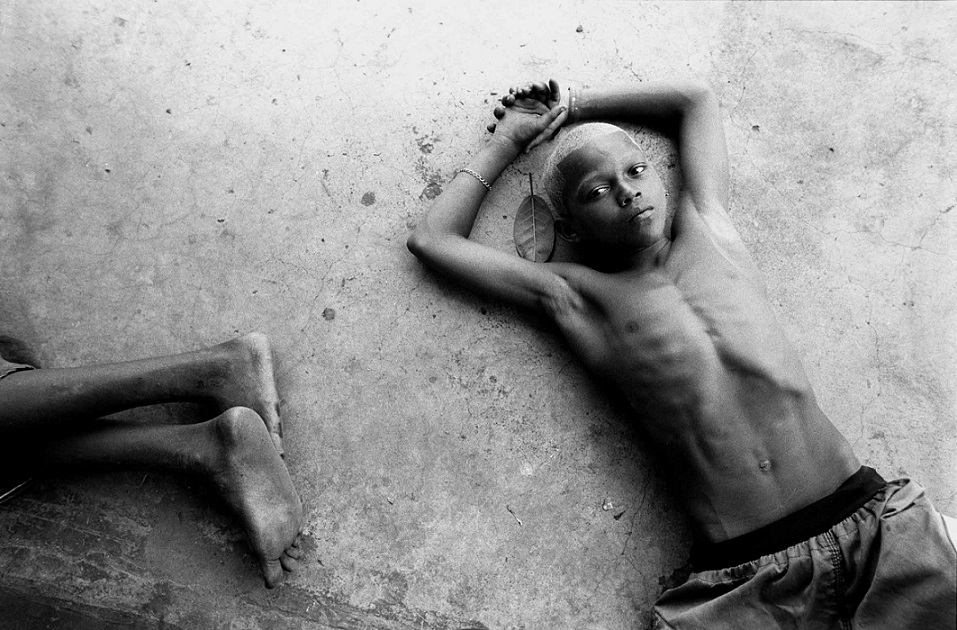
The difference in the power of different images is bound up with the knowledge that the viewer brings to the act of looking at them and the affinities of the photographer taking the photograph. Stephen Shames takes pictures that contradict the image of Trump at his rally, like the one of a boy in Brazil, lying on the ground at a drop-in centre for street children, whose eyes are not directed at the camera but whose disconcertin
g stare troubles the viewer. The fist that Trump held aloft does not carry the same import as the fist of a boy sitting atop a statue during a demonstration at the trial of two members of the Black Panther Party for murder. The year was 1970 and the two members were acquitted.
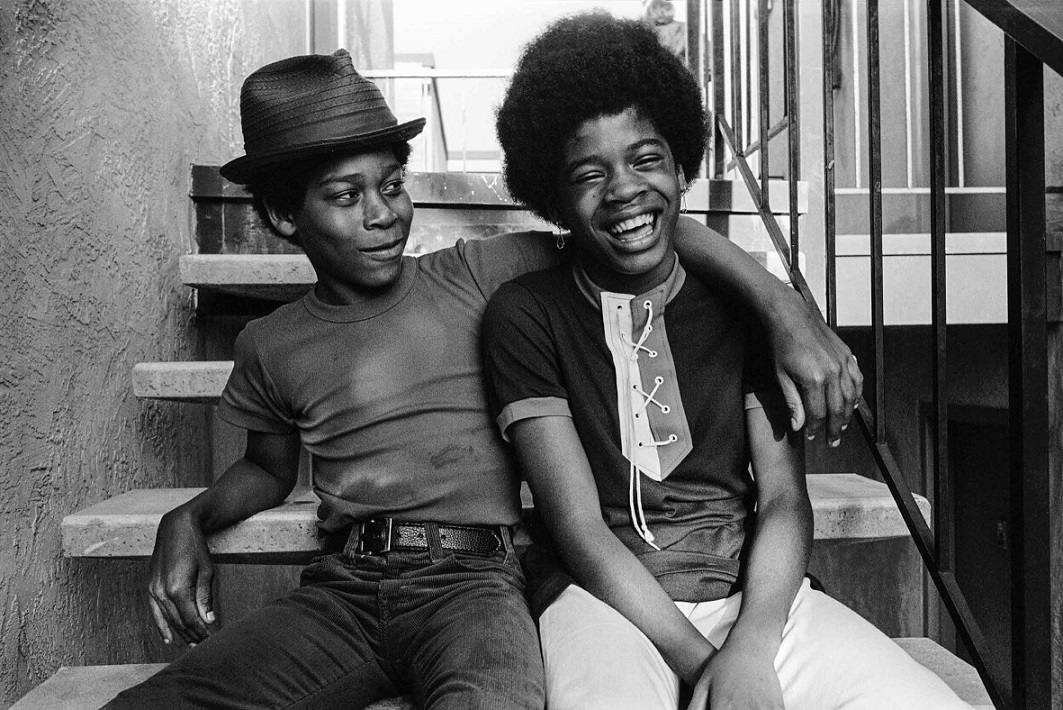
“Much of my photography is about children in distress, with a focus on identity and family: what tears us apart and binds us together—violence and abuse, but also sensuality, love, hope, and transcendence”. This is clear from “A lifetime in photography”, a retrospective of his work over more than five decades, but what he writes in his introduction also applies to his photos of Black resistance to injustice in the 1960s and ‘70s. The photographs taken by Shames of the Black Panthers, found in this book and here, are as powerful as they are precious; unforgettable is the one of James Baldwin, dressed up to as a mark of respect for Black Panther chairman Bobby Seale whom he is waiting to see on a prison visit.
Shames, photographing the country that Jean Baudrillard called “the only remaining primitive society on earth”, knows what is stake: “Look at what’s happening in the US. Look at the rise of right-wing, proto-Nazi parties all over the world. It’s very scary, and I think it’s important for people to see that in the 1960s we had leaders and we found solutions.”
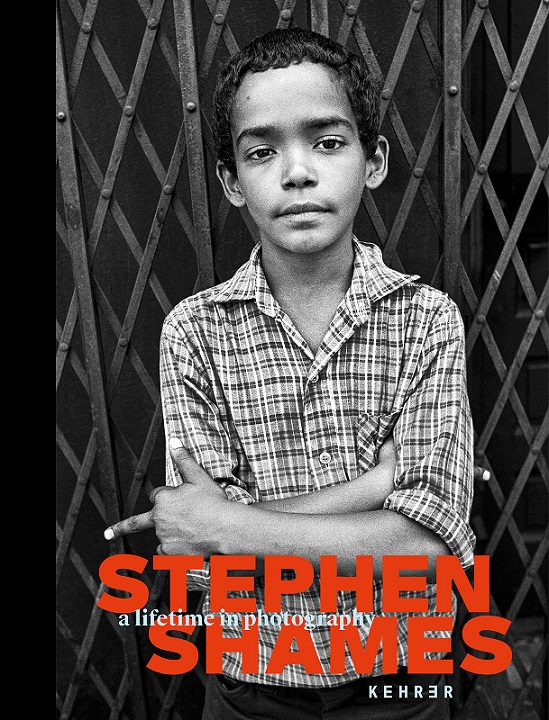
“Stephen Shames: “A lifetime in photography” is published by Kehrer.
(Photos provided by the publisher and authorised for publication)
 Special Edition on Migration
The diaspora beyond fear and misinformation
Life at the U.S-Mexico border under Trump administration
I came to the UK for a better future; now I’m stuck in the visa trap
“I wasn’t taught about colonialism in school, so I taught myself”
“Borders for me are a geography of pain”: A Kurdish journalist’s path to Sheffield
How local communities are rejecting media panic over immigration
Diaspora in London: stories of journeys, resilience and creativity
Hundreds march for unity in Falkirk
The Yemeni journey in Sheffield: struggle, solidarity and renewal
Violence against women, a weapon for racist propaganda
Seven activist documentaries available for free
Influence of the media on perceptions of migrants
From surviving the war to facing racism and xenophobia
When multiculturalism becomes a political weapon










.jpg)












